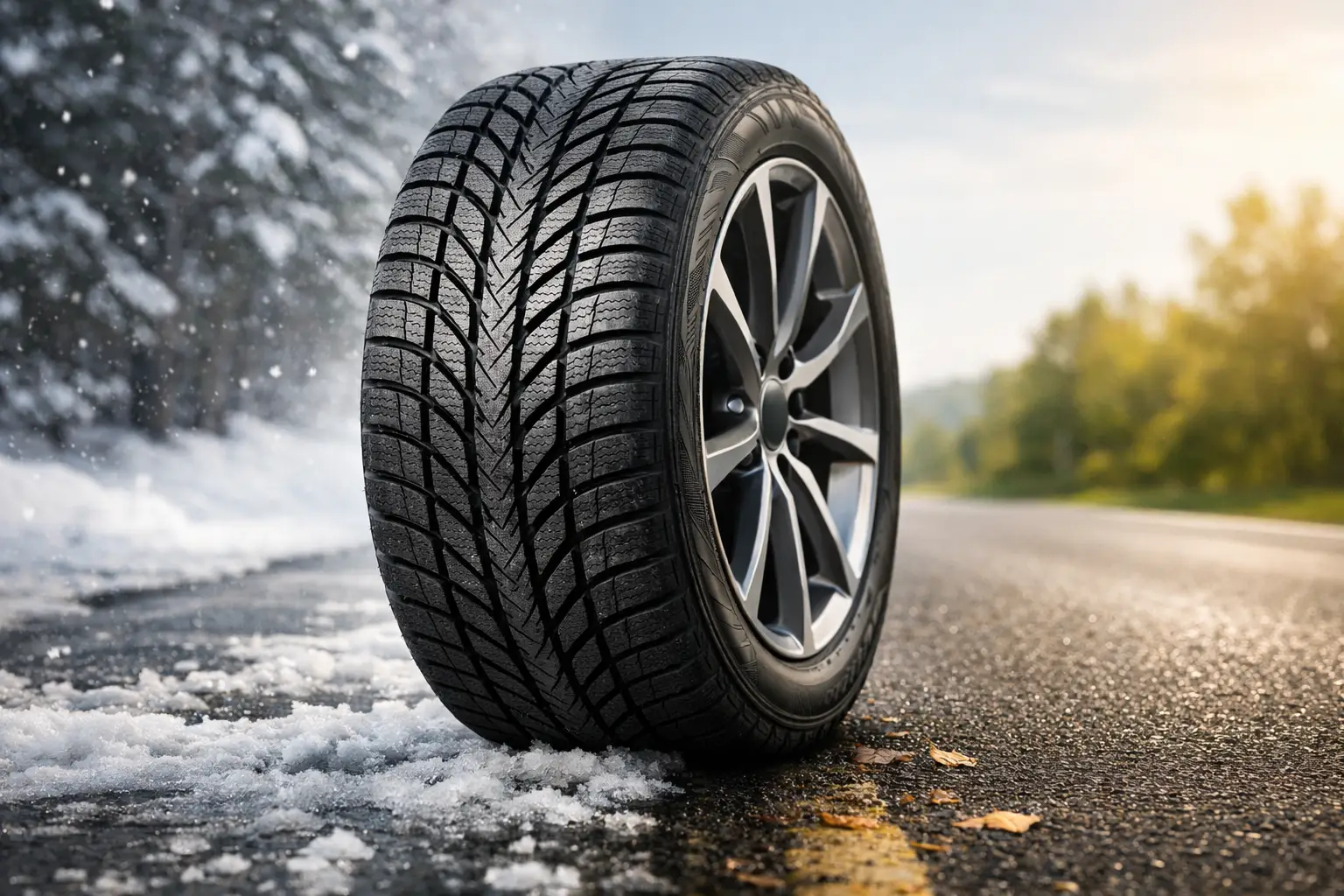
If you have ever looked at tire options and wondered whether all-season and all-weather mean the same thing, you are not alone. The short answer to all weather tires meaning is simple: these are tires built for year-round use with stronger cold-weather and light-winter capability than standard all-season tires.
That sounds straightforward, but the difference matters. Choosing the wrong category can leave you with longer stopping distances in winter, faster wear in hot weather, or a tire that does not match how and where you actually drive. For most drivers, the better choice comes down to climate, road conditions, and how much convenience matters.
What is the all weather tires meaning?
All-weather tires are designed to stay on your vehicle through all four seasons while offering real winter traction support. They sit between all-season tires and dedicated winter tires.
An all-season tire is made to handle a wide range of temperatures and everyday road conditions, but it is not a true winter tire. An all-weather tire goes further. It uses a tread design and rubber compound meant to perform better in colder temperatures, slush, and light to moderate snow while still being suitable for warm-weather driving.
The easiest way to identify an all-weather tire is the Three-Peak Mountain Snowflake symbol on the sidewall. That marking means the tire meets a recognized standard for snow traction. Many all-season tires do not carry that symbol.
So when people ask about all weather tires meaning, what they usually want to know is whether these tires are really built for winter. The answer is yes, but with limits. They are winter-capable, not winter-specialist.
All-weather vs all-season: the difference that matters
This is where a lot of confusion starts. Both categories are made for year-round use, and both can work well for drivers who do not want to swap tires every season. But they are not interchangeable.
All-season tires
All-season tires are designed for moderate conditions. They generally offer a quiet ride, solid tread life, and dependable everyday performance in dry and wet weather. They can handle occasional light snow, but they are not optimized for repeated winter driving.
If you live in a place where winter is mild, roads are cleared quickly, and temperatures rarely stay below freezing for long, all-season tires may be enough.
All-weather tires
All-weather tires are built for broader seasonal use with better cold-weather grip. Their rubber compound stays more flexible in lower temperatures, and their tread usually has more biting edges to improve traction in snow and slush.
For drivers who see real winter conditions but do not want a separate winter tire set, all-weather tires often make more sense. They are especially popular with commuters, families, and practical vehicle owners who want one set of tires that can handle changing conditions without extra seasonal appointments.
Where all-weather tires fit best
All-weather tires work well for drivers who want convenience without giving up too much winter performance. That does not mean they are the best answer for every vehicle or every climate.
They tend to be a strong fit if you live in an area with cold winters, occasional snowstorms, and a mix of wet, dry, and slushy roads. They are also a good match if your city or town plows roads fairly quickly and you spend most of your time on paved streets and highways.
They may be less ideal if you regularly drive in deep snow, on icy back roads, or through mountain conditions where severe winter traction is a frequent need. In that case, a dedicated winter tire still has a clear advantage.
What all-weather tires do well
The biggest benefit is flexibility. You get one tire that can stay on the vehicle year-round and still give you better winter confidence than a typical all-season tire.
That matters for drivers who do not have storage space for an extra set of tires, do not want seasonal changeovers, or simply want to keep maintenance simpler. It can also reduce the risk of being caught early in the season before winter tires are installed or after they have already been removed.
All-weather tires also perform well in rain and cool-weather conditions, which is important because many winter driving days are wet and cold rather than fully snow-covered. For a lot of US drivers, that is the exact middle ground they need.
The trade-offs to know before you buy
No tire category does everything equally well. All-weather tires offer balance, and balance always involves compromise.
Compared with all-season tires, some all-weather options may have slightly shorter tread life or a small drop in fuel efficiency, depending on the model and vehicle. Compared with dedicated winter tires, they usually do not grip as well on packed snow or ice.
In hot summer conditions, they are still designed for year-round use, but they may not feel as sharp or responsive as a summer-focused tire. That will not matter to many daily drivers, but it can matter if you prioritize sporty handling.
This is why the right answer depends on how you drive. If your top priority is simplicity and dependable traction in changing weather, all-weather tires are often a smart solution. If your top priority is maximum winter performance, they are not the final step.
How to tell if all-weather tires are right for you
A practical way to decide is to think about your last few winters, not your worst-ever storm. If you mostly drive on treated roads, need your vehicle ready every day, and want better winter capability without switching tires twice a year, all-weather tires are worth serious consideration.
If your driving includes early morning commutes before roads are cleared, regular trips through snow-covered rural areas, or steep hills in icy conditions, dedicated winter tires may still be the safer choice for that season.
Your vehicle type matters too. A family sedan, crossover, minivan, or small SUV often pairs well with all-weather tires for daily use. Light trucks can also use them effectively, though some drivers may prefer a more specialized option depending on load, terrain, and weather exposure.
What to look for when shopping
Not every tire labeled for year-round use performs the same way. The category helps narrow your search, but the specific model still matters.
Start with fitment. The right tire size, load rating, and speed rating need to match your vehicle. After that, look at the Three-Peak Mountain Snowflake symbol if winter capability is part of the reason you are shopping.
Then consider your priorities. Some all-weather tires focus more on comfort and low road noise, while others lean more toward traction and durability. A commuter driving mostly highways may want a different tire than a family using an SUV for errands, school pickup, and occasional winter travel.
This is where a retailer with both tire selection tools and installation support can make the process easier. Instead of guessing from a product label, you can match the tire to your vehicle, driving habits, and local weather.
Common misunderstandings about all-weather tires meaning
One common mistake is assuming all-weather is just a marketing term for all-season. It is not. The winter certification standard is a real point of separation.
Another misunderstanding is thinking all-weather tires replace winter tires in every condition. They do not. They improve year-round versatility, but they are still a compromise compared with a dedicated winter setup.
Some drivers also assume that if they have all-wheel drive, tire choice matters less. It still matters a great deal. All-wheel drive helps with acceleration, but your tires do the work when it comes to braking and turning. In winter conditions, the tire itself is a major part of vehicle control.
Why this choice matters for everyday safety
Tires are one of the easiest parts of your vehicle to overlook until the weather turns. Then they affect everything at once – stopping distance, cornering grip, wet-road control, and driver confidence.
Understanding all weather tires meaning helps you make a more informed choice before that first cold snap or surprise snowfall. It also helps you avoid buying a tire that sounds close enough on paper but falls short in the conditions you actually face.
For many drivers, the best tire is not the most specialized one. It is the one that matches real life. If you want year-round convenience with stronger winter capability than a typical all-season tire, all-weather tires are often the practical middle ground. And if you are unsure, getting help from a trusted tire shop like Migo Tire Corp. can save time and give you confidence that your vehicle stays safe and road-ready through every season.