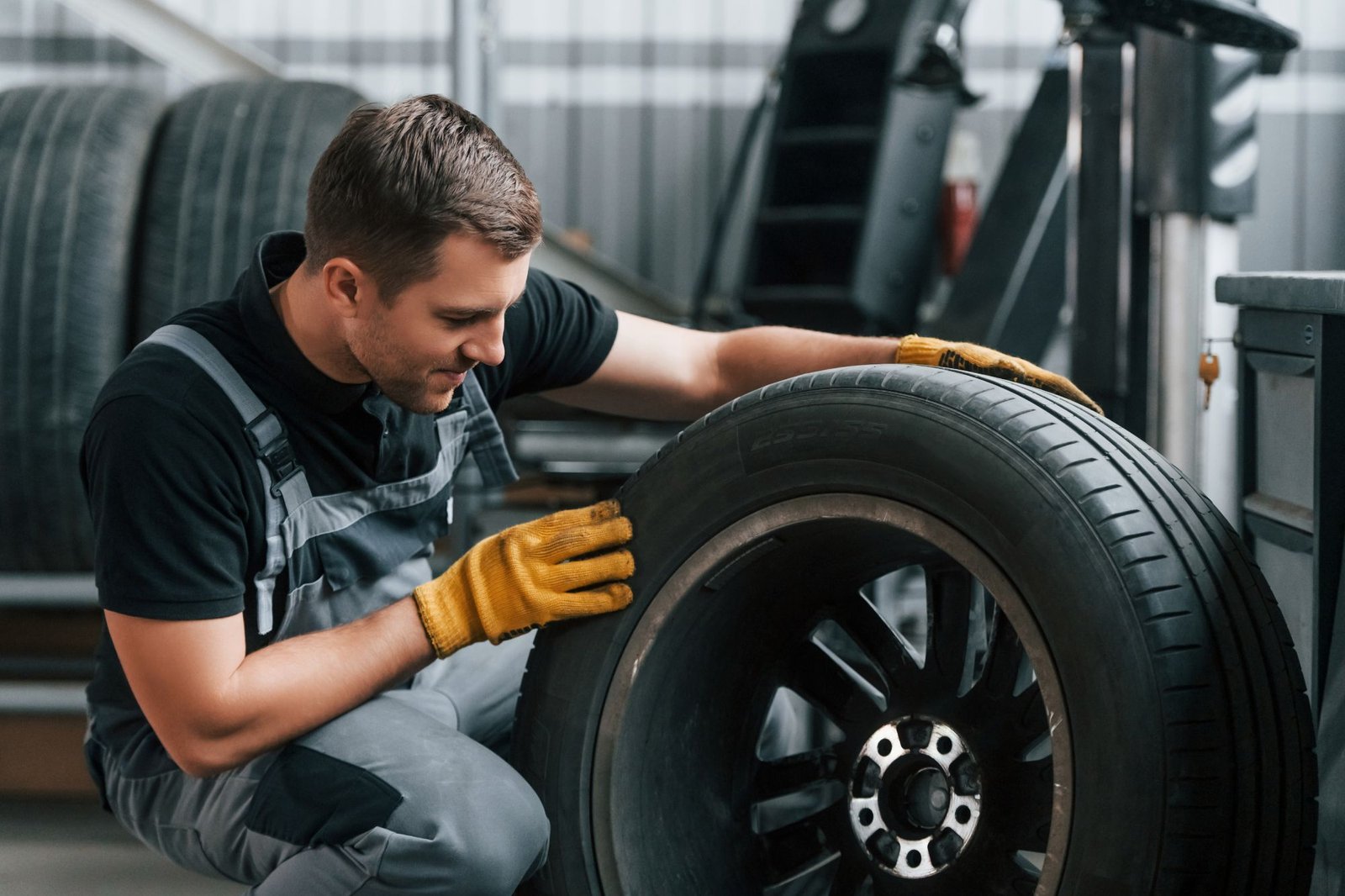
Uneven tread wear usually starts quietly. Your vehicle still feels normal, but one pair of tires is wearing faster than the other, and that can shorten tire life sooner than most drivers expect. If you are wondering how often rotate tires, the short answer is about every 5,000 to 7,500 miles, but the best interval depends on your vehicle, tire type, and driving conditions.
For most passenger cars, SUVs, and light trucks, rotating tires every 5,000 to 7,500 miles is a smart rule of thumb. That schedule lines up well with regular maintenance visits, which makes it easier to keep up with. If you drive a lot of stop-and-go miles, carry heavier loads, or deal with rough roads, rotating closer to 5,000 miles is often the safer choice.
The reason rotation matters is simple. Tires do not wear at the same rate in every position. On many front-wheel-drive vehicles, the front tires handle steering, braking, and most of the power delivery, so they usually wear faster. On rear-wheel-drive vehicles, the rear tires may see more drive-force wear, while the fronts still carry the steering and a large share of braking. On all-wheel-drive vehicles, wear can be more balanced, but even then, it is rarely perfectly even.
That is why rotation is less about following a random mileage number and more about protecting your full set of tires from irregular wear. A regular schedule helps you get more usable life out of the entire set, not just one or two tires.
A tire rotation is one of the simplest services you can do for safety and value. It helps the tires wear more evenly, which can improve ride quality, maintain traction, and reduce the chance that you will need to replace two tires long before the others.
There is also a cost factor. Tires are a major maintenance expense, and uneven wear can cut thousands of miles off their service life. If one axle wears down much faster, you may be pushed into replacing tires earlier than planned. On some all-wheel-drive vehicles, significant tread differences between tires can create additional strain on the drivetrain. That makes routine rotation even more important.
Regular rotation can also help your service provider spot other issues early. If a tire shows unusual shoulder wear, cupping, or feathering, it may point to an alignment, inflation, or suspension problem. Catching that early can save money and help keep the vehicle safe and road-ready.
The best place to confirm how often rotate tires for your specific vehicle is the owner’s manual. Manufacturers may recommend a certain mileage interval and a specific tire rotation pattern based on the drivetrain and tire setup.
That matters because not every vehicle uses the same type of tires in the same way. Some vehicles have staggered fitments, meaning the front and rear tire sizes are different. Some use directional tires that are designed to roll only one way. Those setups can limit rotation options. In those cases, the standard front-to-back or cross-pattern approach may not apply.
If your manual gives a range, staying toward the lower end is usually wise if your driving is demanding. Short trips, hard braking, frequent highway driving, towing, and poor road conditions can all speed up tire wear.
Sometimes the calendar or mileage sticker says you still have time, but the tires are already telling a different story. A few signs suggest you should rotate sooner rather than later.
If the front tires look noticeably more worn than the rear tires, rotation is due. If the vehicle feels slightly noisier than usual or you notice mild vibration that was not there before, uneven wear may be starting to show up. Visible tread differences across the set are another clear sign.
You should also pay attention after a long season of heavy use. For example, a summer full of road trips, a winter of rough weather driving, or months of hauling equipment in a light truck can all speed up the need for service. Mileage is still the main benchmark, but real-world use matters.
Front-wheel-drive vehicles typically need close attention because the front tires work harder. They steer the vehicle, handle most braking forces, and transfer engine power to the road. That combination often leads to faster front tire wear.
Rear-wheel-drive vehicles can wear differently. The rear tires handle power delivery, while the fronts still take care of steering and much of the braking. Wear may be more balanced than on some front-wheel-drive vehicles, but it still will not be equal over time.
All-wheel-drive vehicles often create the impression that tire wear will always stay even. In practice, that is not guaranteed. Different road conditions, alignment settings, and driving habits still affect each tire. Since many AWD systems are sensitive to differences in tire circumference, keeping wear as even as possible is especially important.
Drivers often group these services together, but they solve different problems. Tire rotation changes tire positions to promote even wear. Balancing corrects weight distribution in the tire and wheel assembly to reduce vibration. Alignment adjusts suspension angles so the tires meet the road properly.
A vehicle can need one, two, or all three at the same time. For example, if your tires are rotated on schedule but still wearing heavily on one edge, the issue may be alignment rather than rotation. If the steering wheel shakes at highway speed, balancing could be part of the fix.
That is why regular tire service works best when it is treated as a complete maintenance check, not a single isolated task.
Not all tires wear the same way. All-season tires on a commuter sedan may follow a predictable rotation schedule, while aggressive all-terrain tires on a truck may need closer monitoring. Softer compounds, heavier vehicles, and high-torque EVs can all affect wear rates.
Winter tires are another example. If you run a dedicated winter set and a separate all-season or summer set, each set should still be rotated during its active season. Drivers sometimes assume seasonal changeovers are enough, but that is only true if the mileage stayed low. A long winter or heavy commute can easily justify an in-season rotation.
Run-flat tires and low-profile performance tires can also be less forgiving when wear patterns start to develop. That does not always mean they need more frequent rotation, but it does mean staying on schedule matters.
Missing one rotation does not always create immediate damage, but repeated delays can lead to uneven tread depth, more road noise, rougher ride quality, and shorter tire life. Once a wear pattern becomes established, rotating the tires may slow further damage, but it may not fully reverse what has already happened.
That is the real downside of waiting too long. Rotation works best as prevention. It is much more effective to keep wear even from the start than to try to correct significant wear differences later.
There is also the replacement issue. If two tires wear out early while the others still have usable tread, your replacement options may become more complicated. That is particularly true for AWD vehicles, where matching tread depth can matter more.
The easiest way to remember tire rotation is to pair it with routine maintenance. Many drivers rotate tires at every oil change or every other oil change, depending on their vehicle and service interval. If your vehicle has longer oil service intervals, do not assume the tires can always wait just as long. Check the mileage and tread wear instead.
It also helps to make tire inspections part of normal vehicle care. A quick look at tread depth, visible wear patterns, and inflation pressure can tell you a lot. If you are not sure what you are seeing, a professional inspection can give you a clear answer without guesswork.
For drivers who want a simple baseline, every 5,000 to 7,500 miles is a dependable starting point. If your vehicle sees hard use, rotate closer to 5,000 miles. If your owner’s manual specifies something different, follow that first.
When tire service is handled consistently, you get more even wear, better value from your tire purchase, and fewer surprises down the road. If you are due for service and want a straightforward check, Migo Tire Corp. can help you keep your tires wearing evenly and your vehicle ready for the miles ahead.
A good tire rotation schedule does not need to be complicated. It just needs to happen before uneven wear turns into an expensive problem.