Standing in front of your car and looking at a tire that says something like 225/65R17 102H can feel more confusing than it should. If you are trying to figure out how to read tire sidewall information, the good news is that every number and letter has a purpose, and once you know the pattern, it gets much easier to shop, compare, and replace tires with confidence.
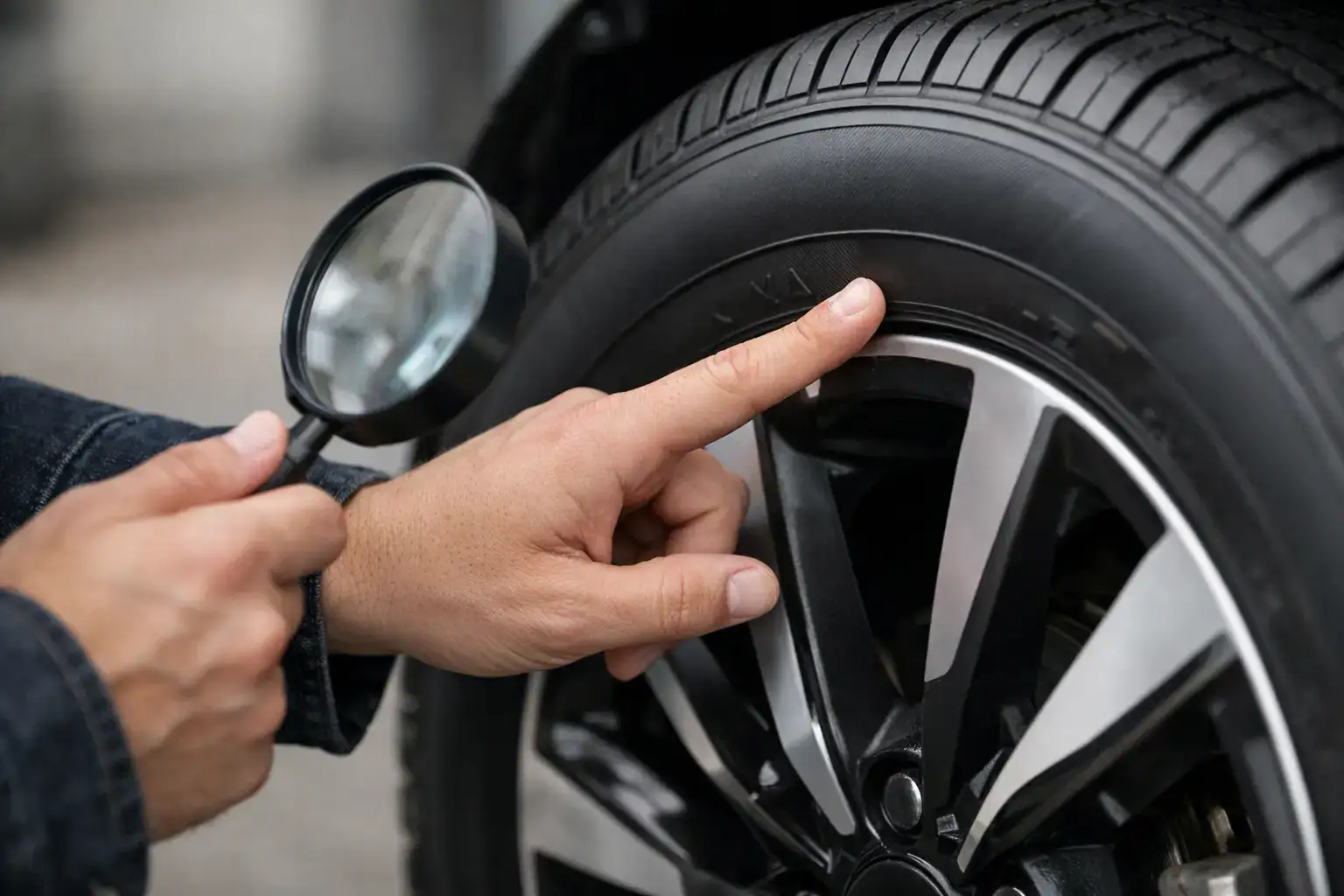
The sidewall is the tire’s built-in label. It tells you the tire’s size, how much weight it can carry, the speed range it is designed for, when it was made, and what type of service it is built to handle. That matters whether you are replacing one damaged tire, buying a full set, or just checking that what is on your vehicle matches what it should have.
How to read tire sidewall numbers
The easiest way to understand a tire sidewall is to break it into sections. A common example looks like this: P225/65R17 102H. Read from left to right, each part tells you something specific.
Tire type
The first letter may show the tire type. In many passenger vehicles, you will see a P, which stands for passenger vehicle tire. Some tires may start with LT for light truck. In some cases, there is no letter at all, which can still be normal depending on the tire and application.
This part matters because passenger and light truck tires are built for different uses. A light truck tire may be designed for heavier loads, towing, or more demanding service. That does not mean it is automatically the better choice. The right answer depends on the vehicle, how you use it, and what the manufacturer recommends.
Section width
The next number, such as 225, is the tire width in millimeters from sidewall to sidewall. A 225 tire is about 225 millimeters wide.
A wider tire can sometimes improve grip and appearance, but it can also affect ride quality, fuel economy, or fitment. That is why matching the correct size matters. Even a small size change can affect how the tire clears suspension parts, how the speedometer reads, and how the vehicle handles.
Aspect ratio
The number after the slash, such as 65, is the aspect ratio. This tells you the sidewall height as a percentage of the tire width. In a 225/65 tire, the sidewall height is 65 percent of 225 millimeters.
A higher aspect ratio usually means a taller sidewall and often a more comfortable ride. A lower aspect ratio usually means a shorter sidewall, which can improve steering response but may ride firmer. Neither is universally better. It depends on whether you prioritize comfort, handling, appearance, or original equipment fit.
Construction type
The letter after the aspect ratio is often R, which stands for radial construction. Most tires on the road today are radial tires.
You may rarely see other construction types, but for most everyday drivers, R is the standard. If you are replacing tires on a modern passenger vehicle, this is usually what you will see.
Wheel diameter
The next number, such as 17, is the wheel diameter in inches. This means the tire fits a 17-inch wheel.
This measurement must match exactly. A 17-inch tire cannot be installed on a 16-inch or 18-inch wheel. If you know nothing else about your tire, this is one of the first numbers to verify.
Load index and speed rating
After the size, you will usually see another number and letter, such as 102H. These are also important when learning how to read tire sidewall markings correctly.
Load index
The number, 102 in this example, is the load index. It shows how much weight the tire can support when properly inflated. The number itself is a code, not the actual weight in pounds written out on the tire.
This is one area where drivers should be careful. Choosing a tire with too low a load rating for the vehicle can affect safety and durability. If you carry passengers often, haul gear, or drive a truck or SUV, load capacity matters even more.
Speed rating
The letter after the load index, H in this example, is the speed rating. This indicates the maximum speed capability of the tire under specified conditions.
That does not mean you should drive at that speed. It means the tire was engineered to perform up to that range. Speed rating also relates to handling and heat resistance, so it is not just about top speed. Replacing a tire with a lower speed rating than the vehicle requires may affect performance. In some cases, a higher speed rating is acceptable, but fitment should still match the vehicle’s needs.
Other common tire sidewall markings
Beyond the main size code, tire sidewalls include several other markings that help identify how the tire is built and what conditions it is designed for.
M+S, 3PMSF, and seasonal use
You may see M+S on the sidewall, which stands for mud and snow. This marking is common on many all-season tires. It suggests the tire is intended for light winter conditions, but it is not the same as a true winter performance certification.
If you see the three-peak mountain snowflake symbol, often called 3PMSF, that means the tire meets a higher standard for severe snow service. For drivers in colder regions or areas with regular snow and ice, that distinction matters.
XL or reinforced markings
Some tires are marked XL, which means extra load. These tires are built to carry more weight than a standard load tire of the same size.
This is common on certain crossovers, SUVs, performance vehicles, and EV applications. You should not assume XL is optional just because the size looks the same. The vehicle may require that added capacity.
Run-flat markings
Run-flat tires may carry manufacturer-specific abbreviations or the words run flat on the sidewall. These tires are designed to keep supporting the vehicle for a limited distance after a loss of air pressure.
Run-flats can be convenient, but they often come with trade-offs such as a firmer ride, higher replacement cost, or limited repairability. If your vehicle came with run-flats, it is smart to confirm whether standard tires are an acceptable replacement before switching.
How to read tire sidewall date and DOT code
One of the most useful things to check is the tire’s age. To find it, look for the DOT code on one sidewall. DOT stands for Department of Transportation.
The full code includes letters and numbers that identify the plant and manufacturing details. The last four digits tell you when the tire was made. For example, 2523 means the tire was manufactured in the 25th week of 2023.
This matters because tires age even if they have plenty of tread left. Heat, sunlight, storage conditions, and everyday use all affect rubber over time. If you are buying replacement tires or checking a spare, the date code is worth a look.
What the max pressure marking means
You will also find a maximum inflation pressure and often a maximum load statement on the sidewall. This is one of the most misunderstood markings.
The sidewall number is not usually the pressure you should use for normal driving. The correct tire pressure for your vehicle is typically listed on the driver’s door placard or in the owner’s manual. That recommended pressure is based on the vehicle, not just the tire.
Using the maximum sidewall pressure instead of the vehicle recommendation can lead to uneven wear, a harsher ride, or reduced traction. If you are checking inflation, always start with the vehicle placard.
When tire sidewall details should guide your purchase
If you are replacing tires, sidewall information helps confirm whether the tire fits your vehicle and driving needs. The size needs to match, but that is only part of the picture. Load index, speed rating, seasonal designation, and special features like run-flat construction all play a role.
There are times when a small change may be acceptable, but it should be intentional, not accidental. For example, some drivers choose a different tire category for better winter performance or longer tread life. That can make sense if the replacement still fits the vehicle correctly and supports its required load and speed needs.
If you are not sure what should stay the same and what can change, this is where a tire professional can save time and avoid mistakes. At Migo Tire Corp., the goal is to help drivers find the right fit, not just a tire that looks close enough.
A quick way to check your current tire
If you want a simple starting point, read the full code on your existing tire and compare it to the sticker inside the driver’s door. If the numbers and ratings match, you are likely looking at the correct fitment baseline. If they do not, it is worth checking whether the vehicle was intentionally changed to a different approved size or whether the tire needs to be corrected.
Knowing how to read tire sidewall markings gives you a practical advantage. It helps you ask better questions, avoid mismatched replacements, and make choices that keep your vehicle safe and road-ready. The next time you look at that string of letters and numbers, it will read less like a code and more like useful information.