
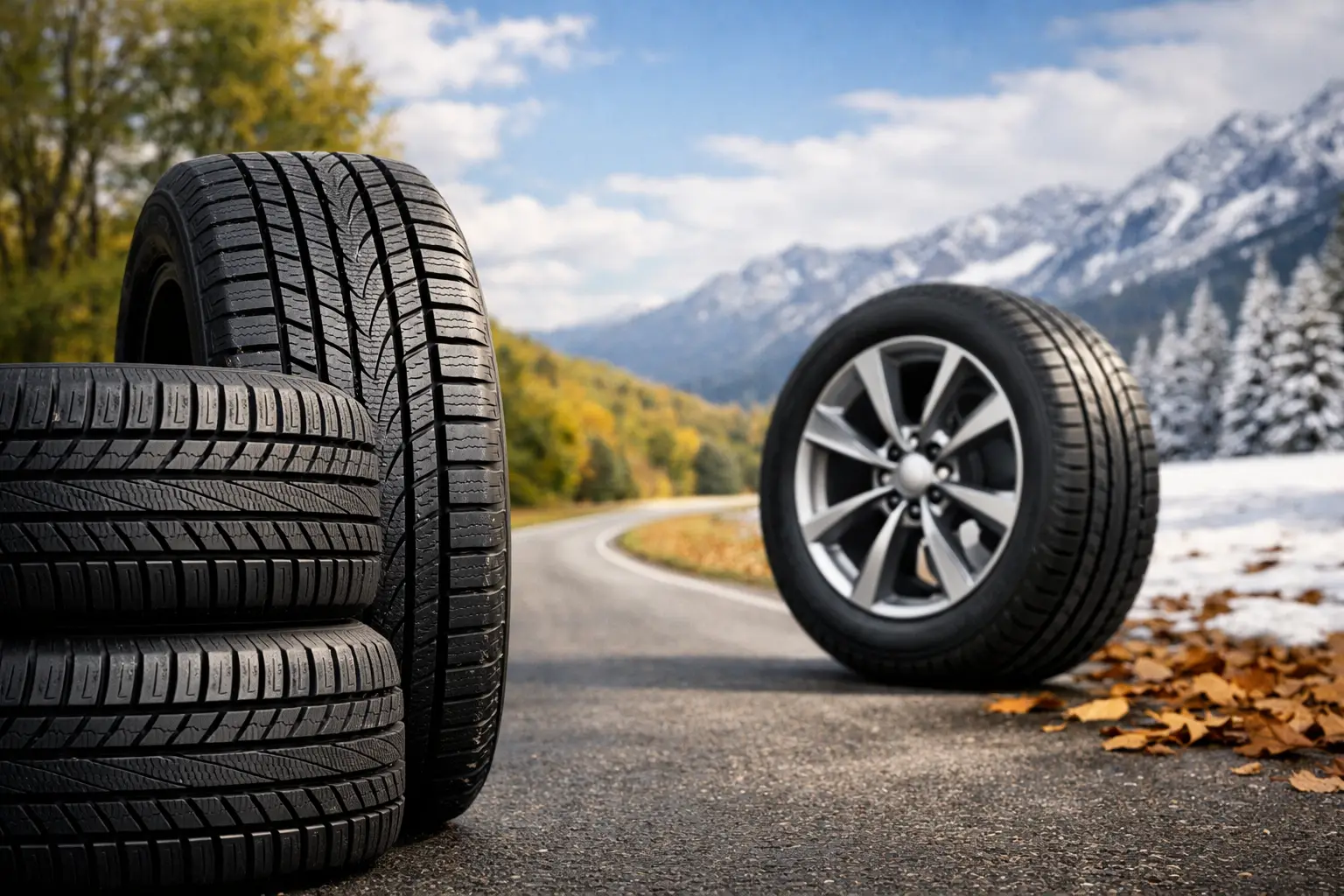
You notice your tires when they get noisy, wear out too fast, or lose grip in heavy rain. That is usually the moment drivers start asking how to choose all season tires without wasting money or ending up with the wrong fit. The good news is that the process is simpler than it looks when you focus on how you drive, what your vehicle requires, and what kind of weather you actually see.
All-season tires are built for everyday use across a wide range of conditions. For many drivers, they offer the best balance of dry traction, wet handling, ride comfort, tread life, and value. But they are not automatically the right answer for every vehicle or every climate. Choosing well means knowing where all-season tires perform well and where their limits begin.
Start with fitment. Before comparing brands or tread patterns, make sure the tire size, load index, and speed rating match your vehicle’s requirements. You can find this information on the driver’s door placard, in the owner’s manual, or on your current tires. Staying within the manufacturer’s specifications helps protect handling, braking, ride quality, and safety systems.
This is where many shoppers get off track. They focus on price first, then discover the tire is not the right match for the vehicle. A tire that is too small, too large, or rated incorrectly can affect steering response, fuel economy, and even how evenly the tread wears over time.
If you drive a sedan, crossover, minivan, or small SUV for commuting, errands, and family trips, standard touring all-season tires are often the right place to look. If you drive a pickup or full-size SUV, you may need a highway-terrain or light truck all-season option with more load capacity. If you drive an EV, it is worth paying attention to rolling resistance, road noise, and weight capacity, since electric vehicles can be heavier and deliver instant torque.
All-season tires are designed to handle moderate temperatures and changing road conditions without forcing most drivers to swap tires twice a year. They generally perform well in dry weather, rain, light snow, and normal daily driving. That makes them a practical choice for large parts of the US, especially where winters are mild or occasional.
What they do not do as well is just as important. If you regularly drive in deep snow, packed ice, or long stretches of freezing winter weather, dedicated winter tires or all-weather tires may be the safer option. All-season tires can manage light winter conditions, but they are not built to deliver the same cold-weather grip as a true winter-focused design.
That trade-off matters. Convenience is valuable, but traction matters more when roads turn slick and temperatures stay low for weeks at a time.
A tire that works well for one driver can be a poor fit for another. If most of your miles are highway commuting, look for a tire known for quiet ride quality, stability, and long tread life. If you spend more time in city traffic, short trips, and stop-and-go driving, wet braking and durability may matter more than high-speed feel.
Some drivers want a softer, quieter ride. Others care more about cornering confidence and steering response. You can usually improve one area, but not always without giving up something else. A sportier all-season tire may feel better in turns, but it can wear faster or ride a little firmer. A long-life touring tire may be more comfortable and economical, but less sharp in aggressive driving.
The best choice is usually the one that fits your real routine, not the one with the most aggressive marketing.
Tread life is one of the first things practical drivers look at, and for good reason. A longer-lasting tire can lower your cost over time, especially if you drive a lot of miles each year. But treadwear should be considered alongside traction and comfort. Some very long-wearing tires give up a bit of grip compared with models designed for stronger wet or dry performance.
Wet traction deserves close attention because rain is one of the most common real-world hazards. Good all-season tires should channel water effectively and maintain stable braking and handling in wet conditions. For many drivers, strong wet performance is more important than light-snow ability because they face rain far more often than ice.
Road noise and ride comfort also matter more than people expect. You spend hours with your tires every week, and a harsh or noisy set can make daily driving less pleasant. This is especially true for commuters, families, and drivers who spend a lot of time on rough pavement or interstate highways.
Fuel efficiency can be another factor. Some all-season tires are built to reduce rolling resistance, which may help support better gas mileage. The difference is not always dramatic, but it can matter over the life of the tire, especially for high-mileage drivers.
A tire size such as 225/65R17 tells you the width, aspect ratio, construction type, and wheel diameter. Beyond that, you will also see a load index and speed rating. These numbers and letters help confirm the tire can support the vehicle properly and operate within its intended performance range.
You do not need to become a tire engineer to shop confidently. You just need to know that these ratings are not decorative. They are part of choosing a tire that keeps your vehicle safe and road-ready.
If you are replacing tires because one or two are worn out, it is still worth checking whether all four should be matched. On many vehicles, especially all-wheel-drive models, differences in tread depth can affect driveline performance. When in doubt, getting fitment and replacement guidance from a tire professional can save you from a much more expensive repair later.
Climate should shape your decision more than many drivers realize. In warmer regions with mostly dry and wet roads, a standard all-season tire is often the most practical and cost-effective choice. In areas that get occasional snow but not severe winter conditions, all-season tires can still work well if you drive cautiously and avoid pushing them beyond their limits.
In colder northern climates, the question becomes more specific. Are you dealing with a few light snowfalls each year, or are you driving before sunrise on untreated roads for months at a time? If winter is serious where you live, all-season tires may not be enough. Choosing them anyway for convenience can mean longer stopping distances and less control when conditions worsen.
Road type matters too. Smooth suburban highways place different demands on a tire than rural roads, rough pavement, or mixed city driving. If your vehicle often carries passengers, gear, or work equipment, load handling and wear resistance should move higher on your list.
There is nothing wrong with shopping by price, but the cheapest tire is not always the best value. A low-cost tire that wears quickly, rides poorly, or performs weakly in rain can cost more in the long run. On the other hand, the most expensive premium option is not always necessary for every driver.
A better way to think about budget is cost over the life of the tire. Consider tread life, ride quality, warranty support, and the conditions you drive in most. For many drivers, a dependable mid-range all-season tire delivers the best balance of price and performance.
Installation and follow-up service also affect value. Proper mounting, balancing, alignment checks, and regular rotation all play a role in how well your tires perform and how long they last. Buying from a full-service tire provider can make the process easier because fitment, installation, and maintenance stay connected.
One common mistake is assuming all all-season tires are basically the same. They are not. Some are tuned for comfort, some for performance, some for mileage, and some for crossover or light truck use.
Another mistake is ignoring the age of the tire. Even a new-looking tire that has been sitting for years is not the same as a fresh one. Tire condition and age both matter.
Drivers also run into trouble when they postpone alignments or rotations. Even the right tire can wear out early if the vehicle is out of alignment or tire pressure is not checked regularly. A good tire choice works best when routine maintenance follows it.
If you want the process to feel less overwhelming, narrow your options in this order: confirm the correct size and ratings, think honestly about your climate, match the tire to your driving habits, and compare value instead of just sticker price. That usually gets you to the right answer faster than chasing brand names alone.
The right all-season tire should make daily driving feel predictable, comfortable, and secure. If your choice supports the way you actually drive and the roads you actually face, you are already on the right track.


