You feel it first through the steering wheel, the seat, or the floorboard. Then the question starts nagging at you: why does my car vibrate? A vibration that shows up while driving, braking, or idling is your vehicle telling you something is off, and the cause can range from a simple tire balance issue to a more urgent mechanical problem.
Speed matters because it helps narrow down where the problem is coming from. If the vibration starts around 50 to 70 mph and gets worse as you go faster, tires and wheels are often the first place to look. If it shows up mostly when braking, the issue may be in the brake system. If you notice it while stopped in traffic or parked with the engine running, the engine or mounts may be involved.
That is why timing matters as much as the vibration itself. A shake in the steering wheel points in a different direction than a vibration you feel through the seat. One suggests the front end, often the front tires, wheels, or suspension. The other can point to the rear tires, rear suspension, or driveline.
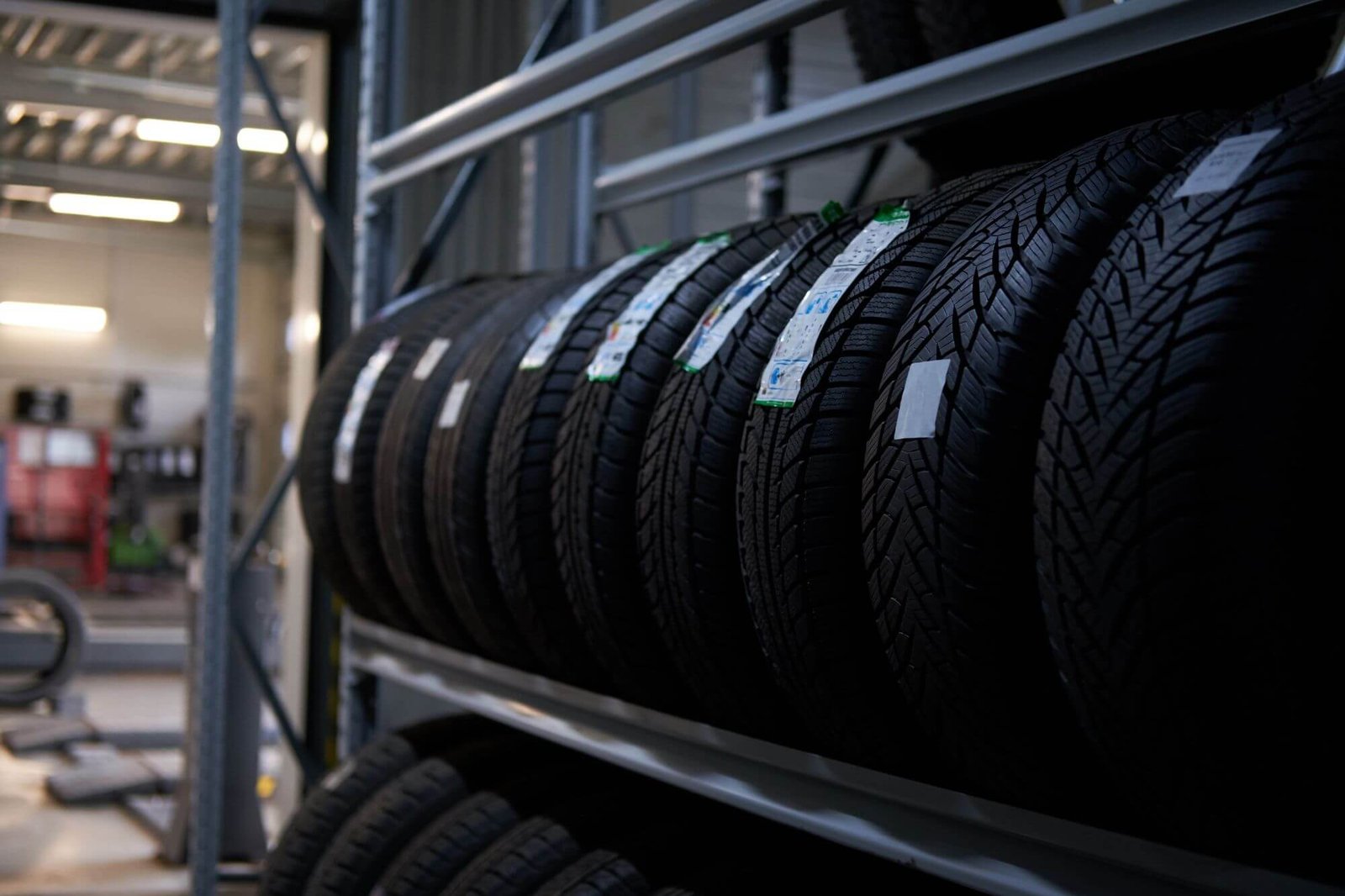
For most everyday drivers, vibrations begin with the tires and wheels. They take constant impact from potholes, rough pavement, curbs, temperature swings, and normal wear. The good news is that many tire-related vibration issues are straightforward to diagnose and fix.
A tire and wheel assembly needs to be balanced so weight is distributed evenly as it spins. If it is out of balance, even slightly, you may feel a shake at highway speeds. This is one of the most common answers to why does my car vibrate during normal driving.
Balancing problems can develop over time. A wheel weight can fall off, a tire can wear unevenly, or road impacts can shift things enough to create a noticeable shake. In many cases, rebalancing the tires solves the issue quickly.
Tires do not always wear smoothly. If alignment is off, if inflation has been inconsistent, or if suspension parts are worn, the tread can develop high and low spots. Cupping, feathering, and flat spots can all create vibrations.
This is where the trade-off matters. Rebalancing may reduce the symptom, but if the tire has already worn unevenly, the root cause still needs attention. Otherwise, the vibration often comes back.
A tire can look mostly normal and still be the source of a serious vibration. Internal belt separation, sidewall damage, or impact damage from a pothole can change the tire’s shape. That can create a thumping, wobble, or steady vibration that gets worse with speed.
If a vibration starts suddenly after hitting a pothole or debris, have the tires inspected as soon as possible. Driving on a damaged tire is a safety risk, not just a comfort issue.
A bent wheel can cause the tire to rotate unevenly, leading to vibration, air loss, or both. This is especially common after hard impacts. Sometimes the vibration is minor at low speed and much more obvious on the highway.
A wheel issue can also be easy to confuse with a tire issue. That is why a full inspection matters. The symptom may feel similar, but the repair is different.
When your car’s suspension and steering components are working correctly, the tires stay planted and the vehicle tracks smoothly. When parts wear out or alignment moves out of spec, vibration can follow.
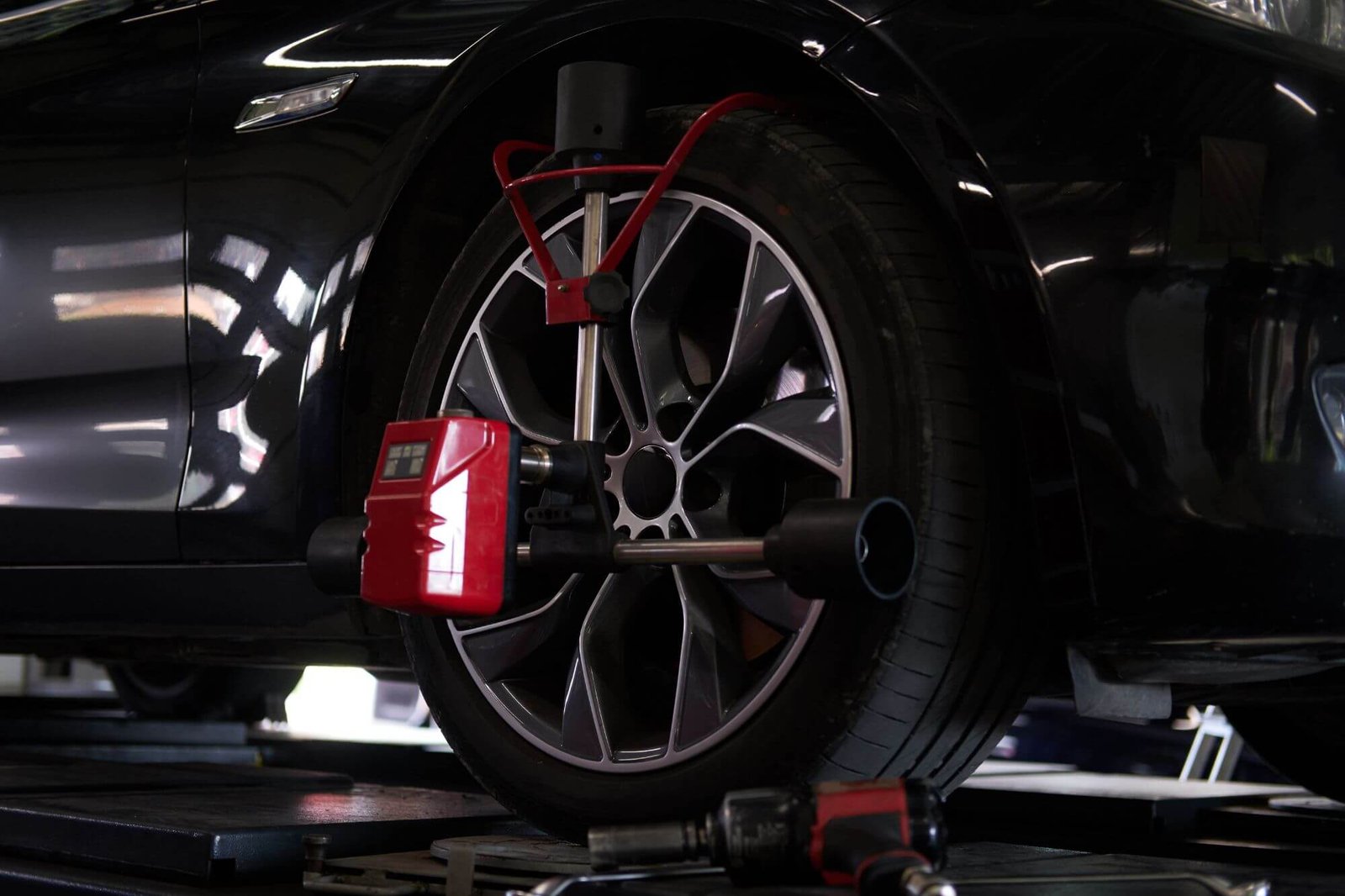
Alignment does not usually create vibration by itself as often as imbalance does, but it often contributes to the tire wear that causes vibration later. If your car pulls to one side, the steering wheel is off-center, or the tires are wearing unevenly, alignment should be checked.
Alignment issues are common after hitting potholes, curbs, or rough roads. They can also develop gradually through normal wear.
Tie rods, ball joints, control arm bushings, shocks, and struts all affect how stable your vehicle feels. When these parts wear, the tires may not stay in consistent contact with the road. That can lead to shaking, looseness, or a vibration that feels worse over bumps.
This is one area where the symptoms can overlap. A worn suspension part may not be the only problem. It may have also caused your tires to wear unevenly, so both the part and the tire condition need attention.
If the car feels smooth while cruising but starts shaking when you press the brake pedal, the brake system moves to the top of the list.
Brake rotors can develop thickness variation or uneven surfaces over time. When that happens, braking pressure is no longer smooth, and you may feel pulsing in the brake pedal or shaking through the steering wheel.
Drivers often describe this as a vibration that only appears when slowing down from highway speed. That pattern strongly suggests rotor or brake-related issues.
Brake calipers or hardware that do not move freely can create uneven brake contact, excess heat, and vibration. In some cases, this also causes pulling, a burning smell, or faster pad wear on one side.
Brake issues should not be delayed. Even if the vibration seems manageable, braking performance and stopping control can be affected.
Not every vibration comes from the tires. If your car shakes while idling, when shifting, or during acceleration, the cause may be under the hood or farther down the driveline.
Engine mounts help isolate engine movement from the rest of the car. When they wear out or break, vibrations can transfer into the cabin, especially at idle or when shifting from park into drive.
This kind of vibration often feels different from a tire problem. Instead of showing up mostly at highway speed, it may be strongest when the vehicle is stopped.
A misfire can make the vehicle shake because one or more cylinders are not contributing power correctly. You may also notice rough idle, sluggish acceleration, reduced fuel economy, or a check engine light.
At that point, the issue is not just comfort. Continued driving with an engine problem can lead to more expensive repairs.
Front-wheel drive, rear-wheel drive, and all-wheel drive vehicles can all develop driveline-related vibrations. A worn CV axle, damaged driveshaft, or failing universal joint can create shaking during acceleration or at specific speeds.
These issues are less common than tire balance problems, but they do happen, especially on higher-mileage vehicles or after road damage.
If the vibration happens while stopped and fades once you are moving, tires are less likely to be the cause. In that case, the focus shifts to the engine, mounts, and idle quality.
A rough idle can come from worn spark plugs, fuel or air delivery issues, or engine mount wear. Sometimes the fix is minor. Sometimes it points to a more involved repair. The key is not to assume every vibration starts at the wheels.
Some vibrations are annoying but not immediately dangerous. Others should be inspected as soon as possible. If the shaking starts suddenly, gets worse quickly, follows a pothole impact, or comes with noises, pulling, low tire pressure, or brake problems, it is time to stop guessing.
The same is true if you see uneven tire wear or feel vibration through the steering wheel that keeps building with speed. Tires, brakes, and suspension all affect control of the vehicle. Waiting can turn a small service visit into a larger repair bill.
A good inspection starts with the basics. Tire condition, air pressure, tread wear, wheel balance, and visible wheel damage are often checked first because they are common causes and directly affect safety.
From there, technicians may inspect alignment angles, suspension play, brake rotor condition, and steering components. If the vibration does not fit a tire or brake pattern, engine performance and mounts may need closer attention. At Migo Tire Corp., that tire-first approach makes sense because so many vibration complaints trace back to balance, wear, or alignment issues that can be corrected before they lead to bigger problems.
It depends on the cause, but it is rarely a good idea to ignore it. A mild vibration from a small balance issue may not leave you stranded today, but it can speed up tire wear and put extra stress on suspension parts. A vibration caused by tire damage, brake problems, or worn steering components is more urgent.
If the vehicle feels unsafe, pulls, thumps, or shakes hard enough to affect control, do not keep driving at normal speed. Have it inspected before the problem has a chance to grow.
A smooth ride is not just about comfort. It is one of the clearest signs your tires, wheels, brakes, and suspension are working the way they should. When your car starts vibrating, the best next step is a proper inspection so you can fix the real cause and get back on the road with confidence.