The wrong tires can make a 45-minute commute feel twice as long. If road noise is wearing you down, choosing quiet tires for long commutes can make a real difference in comfort, focus, and overall driving fatigue.
A quieter ride is not just about luxury vehicles or premium trims. Tire design has a direct effect on what you hear inside the cabin, especially on concrete highways, rough pavement, and long stretches at steady speed. For daily commuters, that matters. The less constant hum, drone, and vibration you deal with, the easier it is to arrive less tired.
Most tire noise comes from tread interacting with the road. As the tire rolls, tread blocks hit the pavement, air moves through grooves, and vibrations travel through the suspension and cabin. Some tires are built to prioritize grip, off-road traction, or long tread life, and those goals can increase noise.
That is why two sets of tires in the same size can sound very different on the same vehicle. The pattern, rubber compound, internal construction, and even how evenly the tire wears all play a role. A tire that feels acceptable around town can become noticeably louder at 65 mph during a daily highway commute.
If low cabin noise is a priority, start by looking at the type of tire, not just the brand name. In most cases, touring all-season tires are the best fit for commuters who want comfort, predictable handling, and lower road noise. They are generally designed for smoother highway manners than performance tires or aggressive all-terrain options.
Tread pattern matters a lot. Tires with smaller, more tightly spaced tread blocks often run quieter than designs with large, open shoulder blocks. Variable pitch tread designs can also help by breaking up sound frequencies, which reduces the steady droning noise drivers notice on longer trips.
Sidewall design can affect comfort too. A tire with some compliance in the sidewall may absorb more road harshness, which helps the vehicle feel calmer over expansion joints and patched pavement. There is a trade-off, though. A softer-feeling tire may not deliver the same sharp steering response as a firmer performance-focused model.
For most sedans, crossovers, minivans, and small SUVs, touring all-season tires are usually the strongest place to start. They are built around daily usability, and that includes ride quality and noise control. Many also offer solid wet traction and reasonable tread life, which is important when you rack up miles every week.
Grand touring tires can be a good choice if you want a little more refined road feel without going all the way into performance territory. They often aim for a smoother, quieter experience at highway speed. Depending on the vehicle, they may also provide better steering feel than a basic touring tire.
All-weather tires can work well for commuters in areas with mixed seasonal conditions, especially where winters are mild to moderate but still bring cold temperatures and occasional snow. Some are impressively quiet, but not all. If year-round weather capability is the main goal, you may accept a bit more tread noise than with a comfort-focused touring tire.
High-performance summer tires and ultra-high-performance all-season tires are usually not the first choice for noise-sensitive commuters. They can offer excellent grip and braking, but many ride firmer and transmit more road texture into the cabin. Likewise, all-terrain and mud-terrain tires tend to be louder by design because of their more open tread patterns.
A tire that feels whisper-quiet on one vehicle may sound average on another. Cabin insulation, suspension tuning, wheel size, and alignment all affect how much noise you hear. A compact car with large wheels and low-profile tires may still produce more road noise than a midsize crossover on smaller wheels, even with a well-rated touring tire.
EV owners should pay special attention here. Electric vehicles are often quieter overall because there is less engine noise to mask tire sound. That means tire noise becomes more noticeable. Many EV-compatible tires are designed to manage road noise while also handling the extra weight and torque of electric vehicles, but the quietest choice still needs to match the vehicle’s load and fitment requirements.
There is no perfect tire for every commute. A model that reduces noise may not have the longest tread life in its category. Another may be very durable but slightly firmer over rough roads. If you regularly drive in heavy rain, your best option may prioritize wet grip first and noise second.
This is where realistic expectations help. The goal is not silence. The goal is a tire that lowers the constant background noise enough to improve daily comfort without giving up the safety and durability you need. For most drivers, that balance matters more than chasing the single quietest model on paper.
When comparing options, pay attention to how the tire is described. Terms like touring, grand touring, comfort, highway, and low noise are useful signals, though they should not be the only factors. Look at tread design and intended use along with mileage warranty, traction category, and speed rating.
If you drive mostly interstate miles, favor a tire with strong highway comfort characteristics. If your route includes broken city pavement, construction zones, or older concrete roads, ride quality becomes just as important as raw noise reduction. In those conditions, a tire that cushions impacts well can make the cabin feel quieter even when the decibel difference is modest.
Even the right tire can get noisy if it is not installed and maintained properly. Irregular wear is one of the biggest reasons tires become louder over time. Cupping, feathering, and uneven shoulder wear can turn a fairly quiet tire into a constant source of humming or vibration.
Proper inflation matters every day. Overinflated tires can feel harsher and may transmit more road texture. Underinflated tires can wear poorly and affect fuel economy and handling. Following the vehicle manufacturer’s pressure recommendation is the right starting point, not just the maximum pressure listed on the tire sidewall.
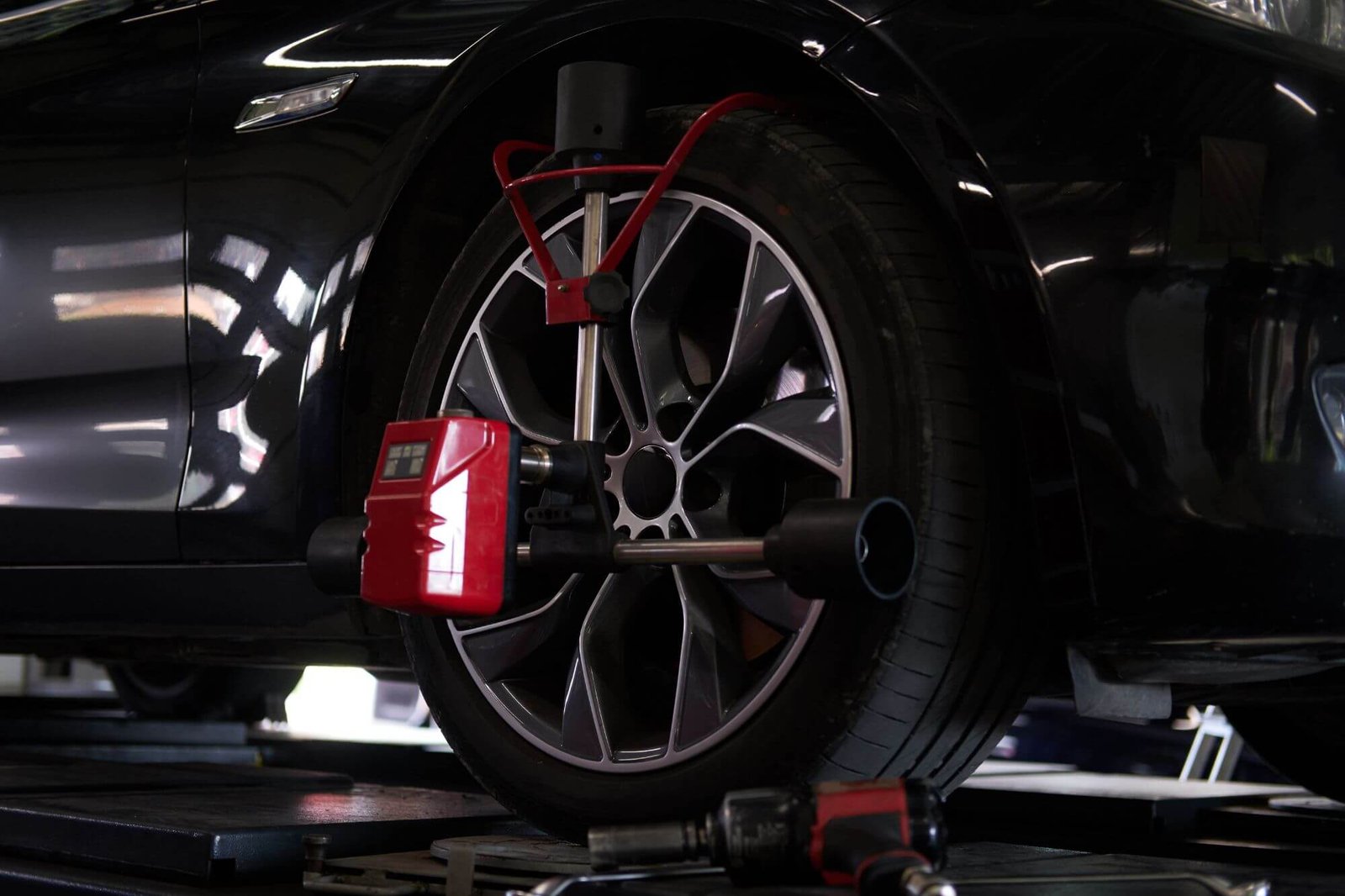
Rotation is also important, especially for front-wheel-drive vehicles that put more stress on the front tires. Regular rotations help keep wear even, which helps preserve the quiet ride you paid for. Alignment plays a similar role. If the vehicle pulls, the steering wheel is off-center, or one edge of the tread wears faster than the other, noise can increase long before the tires are actually worn out.
Balancing should not be overlooked either. An out-of-balance tire may not always sound louder in a simple way, but it can create vibration that adds to fatigue on long drives. For commuters, a smooth ride is part of a quiet ride.
Start with your vehicle, your commute, and your priorities. If most of your miles are highway miles, say that clearly when comparing options. If your current tires are acceptable in wet weather but too loud, focus on comfort-oriented replacements in the correct size and load rating. If you also need strong winter capability, that changes the shortlist.
It helps to think in terms of use case rather than marketing claims. A practical commuter tire should be quiet, stable at speed, and dependable in everyday weather. It should also fit your budget and your maintenance habits. A premium tire can be worth it if you spend hours on the road each week, but a well-chosen mid-range touring tire can still deliver a meaningful improvement.
That is where a retailer with both product range and service support is useful. Migo Tire Corp. helps drivers compare fitment options, choose from multiple tire categories and brands, and pair the purchase with installation, balancing, and alignment services that support long-term performance.
If your commute has become noticeably louder, the tires may be wearing out even if they still have some tread left. Age, irregular wear, and hardened rubber can all increase noise. You may also notice more vibration, reduced wet traction, or a rougher ride over pavement joints.
A tire inspection can tell you whether the issue is the tire itself, inflation, balance, or alignment. That is worth checking before you buy. Sometimes the fix is maintenance. Other times, replacement is the clearest path to a quieter, more comfortable drive.
A long commute asks a lot from your tires. If your current set adds noise, harshness, and fatigue to every mile, the right replacement can make the drive feel more manageable day after day.