The first hard freeze usually catches people off guard. One morning the roads look dry, your commute feels routine, and then a shaded overpass or cold intersection reminds you how quickly traction can disappear. That is where winter tires make a real difference. They are built for cold-weather grip, shorter stopping distances, and better control when temperatures drop.
For many drivers, the question is not whether snow will show up. It is whether their current tires can still perform when the pavement gets cold, slick, or packed with slush. Winter driving is not only about deep snow. Cold temperatures alone change how a tire behaves, and that affects braking, cornering, and everyday confidence behind the wheel.
What winter tires actually do differently
Winter tires are designed to stay flexible in low temperatures. That matters because standard all-season and summer compounds tend to stiffen as the weather gets colder. When the rubber hardens, the tire cannot conform to the road surface as well, which reduces grip.
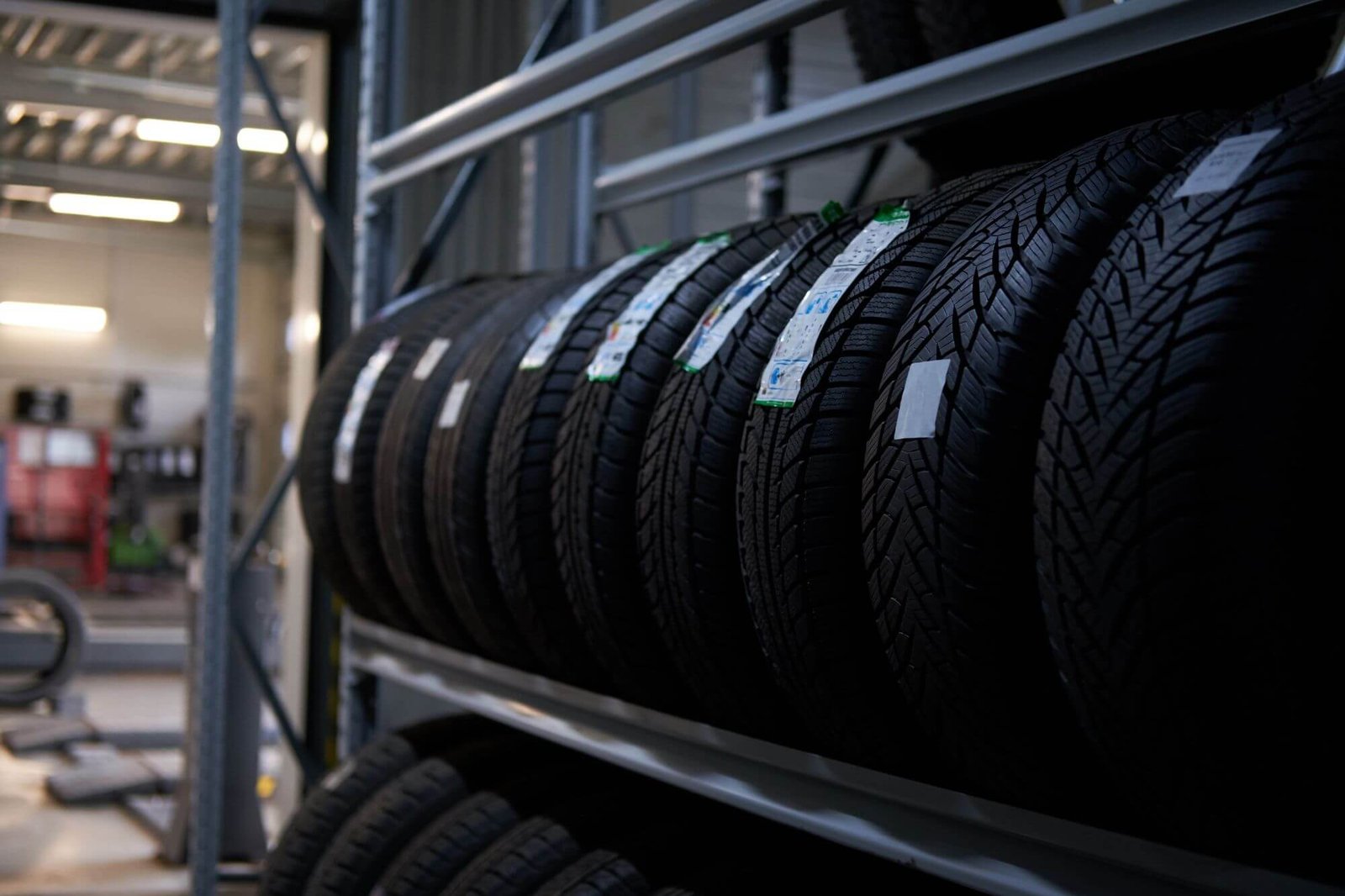
The tread pattern also plays a major role. Winter tires typically have deeper tread features, more biting edges, and grooves shaped to move snow and slush away from the contact patch. On packed snow, this design helps the tire hold the road more effectively. On cold, wet pavement, it helps maintain traction when conditions are unpredictable.
This is why winter tires are not just for blizzards. They are made for the broader cold-weather season, including icy mornings, freezing rain, black ice risk, and roads that alternate between wet, slushy, and lightly snow-covered.
When winter tires make sense
A good rule for most drivers is simple: once temperatures are consistently near or below 45 degrees Fahrenheit, winter tires are worth considering. That threshold matters more than many people realize. Even if your area gets only occasional snow, cold pavement can reduce the performance of tires that are not built for winter conditions.
For commuters, parents driving family vehicles, and anyone who depends on their car daily, winter tires can add a layer of safety that is noticeable in normal driving. You may feel it most during braking at a stoplight, pulling away from an icy curb, or taking a highway exit ramp on a cold morning.
It depends, of course, on where and how you drive. If you live in a region with long winters, regular snowfall, or extended cold snaps, switching tires seasonally often makes clear sense. If your winters are mild and brief, all-weather tires may be worth comparing. But if you regularly deal with freezing temperatures, winter tires remain the stronger option for cold-season traction.
Winter tires vs. all-season tires
This is where many shoppers get stuck. All-season tires are built to handle a wide range of conditions, and for many drivers they are a practical year-round option. But all-season does not mean all-weather performance is equal in every season.
In warm and moderate conditions, all-season tires offer convenience. You avoid seasonal changeovers, and for drivers in mild climates that may be enough. The trade-off is that all-season tires do not match the cold-weather grip of dedicated winter tires when roads get truly cold, snowy, or icy.
Winter tires usually provide better traction during acceleration, stronger braking in low temperatures, and more predictable cornering in snow and slush. That does not mean they make a vehicle unstoppable or replace careful driving. It means they give your vehicle more grip to work with when conditions are working against you.
Do you need four winter tires?
Yes. If you are switching to winter tires, install a full set of four.
Putting winter tires on only the drive axle can create uneven handling. A front-wheel-drive vehicle with winter tires only up front may pull away better in snow, but the rear end can become unstable during braking or cornering. A rear-wheel-drive vehicle with winters only in back can have the opposite problem, with reduced steering control up front.
A matched set helps the vehicle maintain balanced traction and predictable handling. That is the safest approach, and it is the standard recommendation for seasonal tire changes.
Choosing the right winter tires for your vehicle
The right tire depends on your vehicle, your driving habits, and the conditions you actually face. A compact sedan used for city commuting may need something very different from a light truck that sees rural roads, mixed pavement, or frequent slush.
Start with proper fitment. The tire size, load rating, and speed rating need to match your vehicle’s requirements. From there, think about your priorities. Some winter tires are tuned more for ice and severe snow traction, while others are designed to balance winter grip with a quieter ride and more stable dry-road manners.
That is where expert guidance helps. A driver who wants dependable daily commuting performance may not need the same tire as someone who regularly drives before plows have cleared the roads. Product selection is easier when you can narrow options by vehicle or size and compare brands across different price points without guessing.
What about all-wheel drive?
All-wheel drive helps a vehicle put power to the ground, especially when starting from a stop. It can improve traction during acceleration, but it does not change the tire’s ability to brake or turn on cold, slick roads. That part still comes down to the tire.
This is a common point of confusion. Drivers sometimes assume all-wheel drive reduces the need for winter tires, but in many winter conditions the opposite is true. An all-wheel-drive vehicle on the wrong tires can still slide through an intersection or struggle to stop on ice. Winter tires help the entire vehicle perform better, not just when moving forward, but when steering and braking matter most.
How long do winter tires last?
Tread life depends on mileage, road conditions, driving style, and when the tires are installed and removed. If winter tires are used only during the cold season and stored properly the rest of the year, they can serve well over multiple seasons.
The main mistake is leaving them on too long into spring and summer. Winter compounds wear faster in warm temperatures, and handling can feel less precise once the weather turns hot. Seasonal timing matters. Switching them on when the weather cools and taking them off once temperatures stay consistently above the winter range helps protect your investment.
It is also smart to monitor tread depth and general condition each season. Uneven wear may point to alignment or inflation issues, and catching that early can extend tire life while preserving performance.
Installation and service matter too
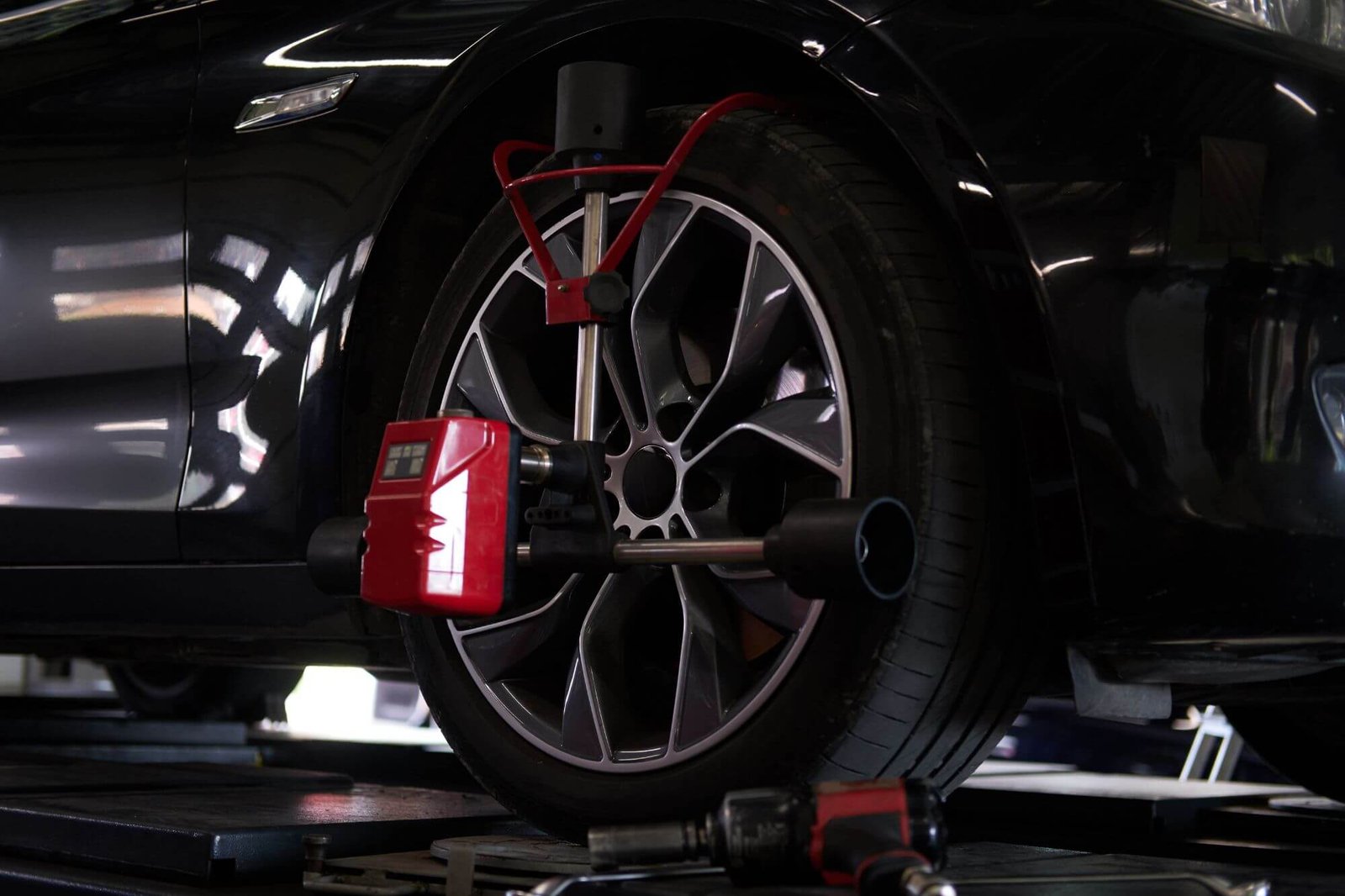
Buying the right winter tires is only part of the job. Proper installation, balancing, and inflation are what help those tires perform the way they should. If your vehicle is due for alignment, that should be addressed as well. Poor alignment can shorten tire life and affect handling, which is the last thing you want going into winter.
For many drivers, convenience matters almost as much as product choice. It helps to work with a tire retailer that can handle fitment, installation, balancing, and ongoing service in one place. That removes guesswork and makes it easier to stay on schedule when the seasons change.
Migo Tire Corp. is built around that kind of straightforward support, helping drivers find the right tires and keep their vehicles safe and road-ready after installation.
A few common signs it is time to switch
If your morning commute is consistently below 45 degrees, if you are seeing slush or icy patches more often, or if your current tires feel less sure-footed in cold weather, it is probably time to make the change. Waiting until after the first major storm often means driving through the worst conditions before your vehicle is properly equipped.
Planning ahead usually saves stress. It also gives you more time to compare options, confirm fitment, and schedule service before the seasonal rush.
Winter roads do not always look dramatic. Sometimes the biggest risk is a cold, ordinary drive on pavement that seems fine until you need to stop quickly. The right winter tires help you prepare for that moment before it arrives.