A family SUV can carry a full load of people, groceries, sports gear, and luggage without much complaint. Its tires have a harder job. They affect how confidently your vehicle stops in rain, how controlled it feels during a quick lane change, and whether the ride stays quiet enough for a sleeping child in the back seat. The best tires for family SUVs are not simply the most expensive set or the ones with the longest advertised tread life. They are the tires that match your driving conditions, vehicle requirements, and daily routine.
For most families, the right choice starts with safe wet-weather performance, reliable braking, a comfortable ride, and the correct load capacity. Winter weather, gravel roads, towing, and high annual mileage can change the answer. Here is how to make a practical decision without getting buried in tire jargon.
What Family SUV Tires Need to Do Well
SUVs are generally heavier than sedans, and many sit higher off the ground. That combination puts more demand on tires during braking and cornering. A tire that feels fine on a smaller car may not deliver the same stability when fitted to a three-row SUV loaded for a weekend trip.
Start with the basics: choose a tire in the manufacturer-approved size, load index, and speed rating for your specific SUV. The tire size is printed on the sidewall, such as 235/65R17, and is also listed on the driver-side door placard. Matching the original specification helps preserve proper handling, braking, clearance, and the accuracy of vehicle safety systems.
For family driving, prioritize a tire with strong wet traction. Rain can create slick roads quickly, and worn tread channels less water away from the contact patch. Look for wide circumferential grooves and a tread design built to resist hydroplaning. Wet grip matters more than a sporty-looking tread pattern.
Ride comfort is another real consideration. Some tires use construction and tread designs that reduce road noise and soften small bumps. That can make school runs, commuting, and road trips more pleasant. The trade-off is that a very comfort-focused tire may not offer the longest possible tread life or the sharpest steering response.
Best Tires for Family SUVs by Driving Need
There is no single tire category that works perfectly for every family. The best fit depends on the weather you face and where the SUV spends most of its time.
All-season tires for everyday use
For drivers who mostly travel on paved roads in moderate conditions, all-season tires are often the most practical option. They are designed to provide balanced dry and wet performance, reasonable comfort, and dependable tread life. They work well for daily commuting, errands, highway travel, and light-duty family use.
All-season tires are a sensible choice if your area has mild winters or if your SUV is parked during the worst snow events. However, the name can be misleading. All-season does not mean equal performance in every season. Once temperatures stay near freezing and roads become snowy or icy, a dedicated winter tire has a clear safety advantage.
Winter tires for cold, snow, and ice
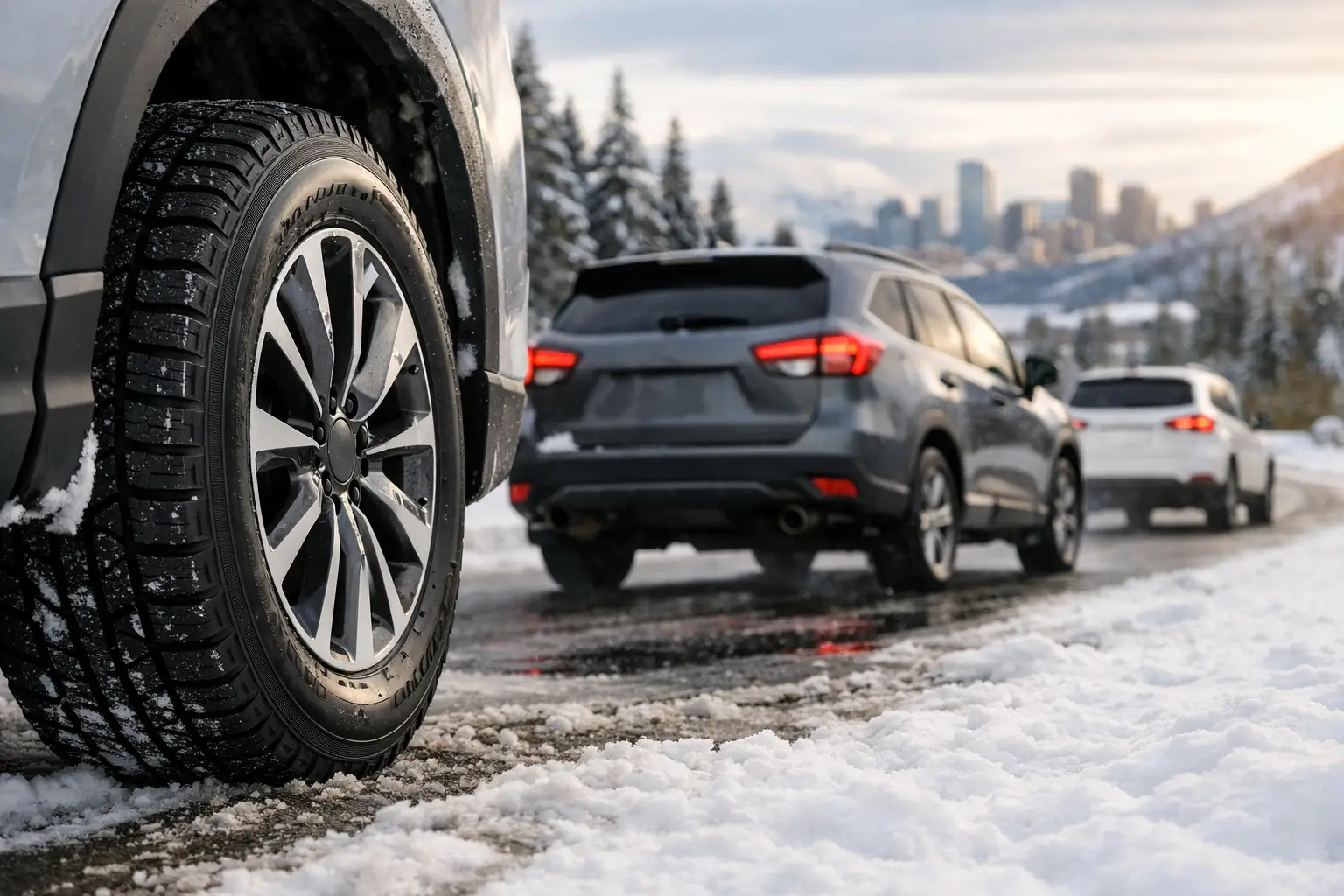
If your family SUV is used through a true winter, dedicated winter tires are worth serious consideration. Their rubber compounds remain more flexible in cold temperatures, while their tread patterns create more edges to grip snow and help clear slush.
Winter tires are not only for deep snow. They improve traction and braking on cold pavement, packed snow, and icy intersections. For families driving in Ontario or other regions with long, variable winters, a second set of winter tires can make routine trips feel far less stressful.
Install winter tires as a full set of four. Mixing two winter tires with two all-season tires can create uneven grip between the front and rear of the vehicle, making handling less predictable in an emergency maneuver.
All-weather tires for year-round flexibility
All-weather tires sit between all-season and winter tires. They are designed for year-round use but generally provide better snow performance than a conventional all-season tire. Many carry the Three-Peak Mountain Snowflake symbol, which indicates they meet a recognized snow-traction standard.
This category can suit drivers who want stronger cold-weather capability without planning seasonal tire changeovers. The compromise is usually tread life, warm-weather handling, or fuel efficiency compared with a dedicated all-season tire. Still, for a family that encounters occasional snow and wants one set of tires year-round, all-weather tires can be a practical middle ground.
Touring tires for quiet highway miles
Touring tires are worth a look if your SUV spends most of its time on city streets and highways. They are typically engineered for a refined ride, lower road noise, and stable highway manners. Many are available in SUV-specific sizes and load ratings.
These tires make sense for families who take frequent road trips or have a long commute. Review the wet-traction ratings and load capacity carefully, especially if you regularly use every seat or pack heavy cargo. A quiet tire is valuable, but it should never come at the expense of appropriate capacity or wet braking confidence.
All-terrain tires for mixed surfaces
An all-terrain tire can be the right choice for an SUV that regularly sees cottage roads, gravel, job sites, or unpaved trails. It offers more bite on loose surfaces and typically has a tougher-looking tread than a highway-focused tire.
The trade-off is clear: all-terrain tires can be noisier, heavier, and less efficient on pavement. Some may also provide less refined wet-road handling than a quality touring or all-season tire. Choose this category because you genuinely need its extra traction, not just for its appearance.
Do Not Overlook Load Rating and Vehicle Fitment
A family SUV may look similar to another model but require a different tire specification. Vehicle weight, wheel size, towing equipment, and suspension design all matter. The correct load index is especially important for larger SUVs, three-row models, and vehicles used with cargo carriers or trailers.
Never assume a lower-rated tire is acceptable because it fits on the wheel. A tire must be able to safely support the vehicle at its maximum expected load. If you are replacing only one or two tires, match the size and key specifications of the remaining tires. Differences in overall tire diameter can interfere with the operation of all-wheel-drive systems and electronic driver-assistance features.
If you are unsure, use your vehicle information or existing tire size to narrow the choices, then confirm fitment before purchase. A tire professional can also help compare options when the door placard and sidewall markings feel confusing.
Tread Life Is Useful, but Safety Comes First
Long tread life can reduce replacement frequency, which matters when managing a household budget. But a high-mileage tire is not automatically the best value if it compromises the performance you need most. Consider the mix of wet traction, comfort, expected wear, and seasonal capability.
Check tread depth regularly. The legal minimum is not a target for safe family driving. As tread wears down, a tire becomes less effective at moving water and gripping snow. If you notice longer stopping distances in rain, visible wear bars, cracking, bulges, repeated pressure loss, or uneven wear, have the tires inspected.
Uneven wear often points to a maintenance issue rather than a tire problem alone. Low pressure can wear tire shoulders, overinflation can wear the center, and poor alignment can wear one edge quickly. Keeping tires inflated to the vehicle placard recommendation, rotating them on schedule, and correcting alignment issues help protect both safety and tire life.
A Smart Replacement Plan for Family SUVs
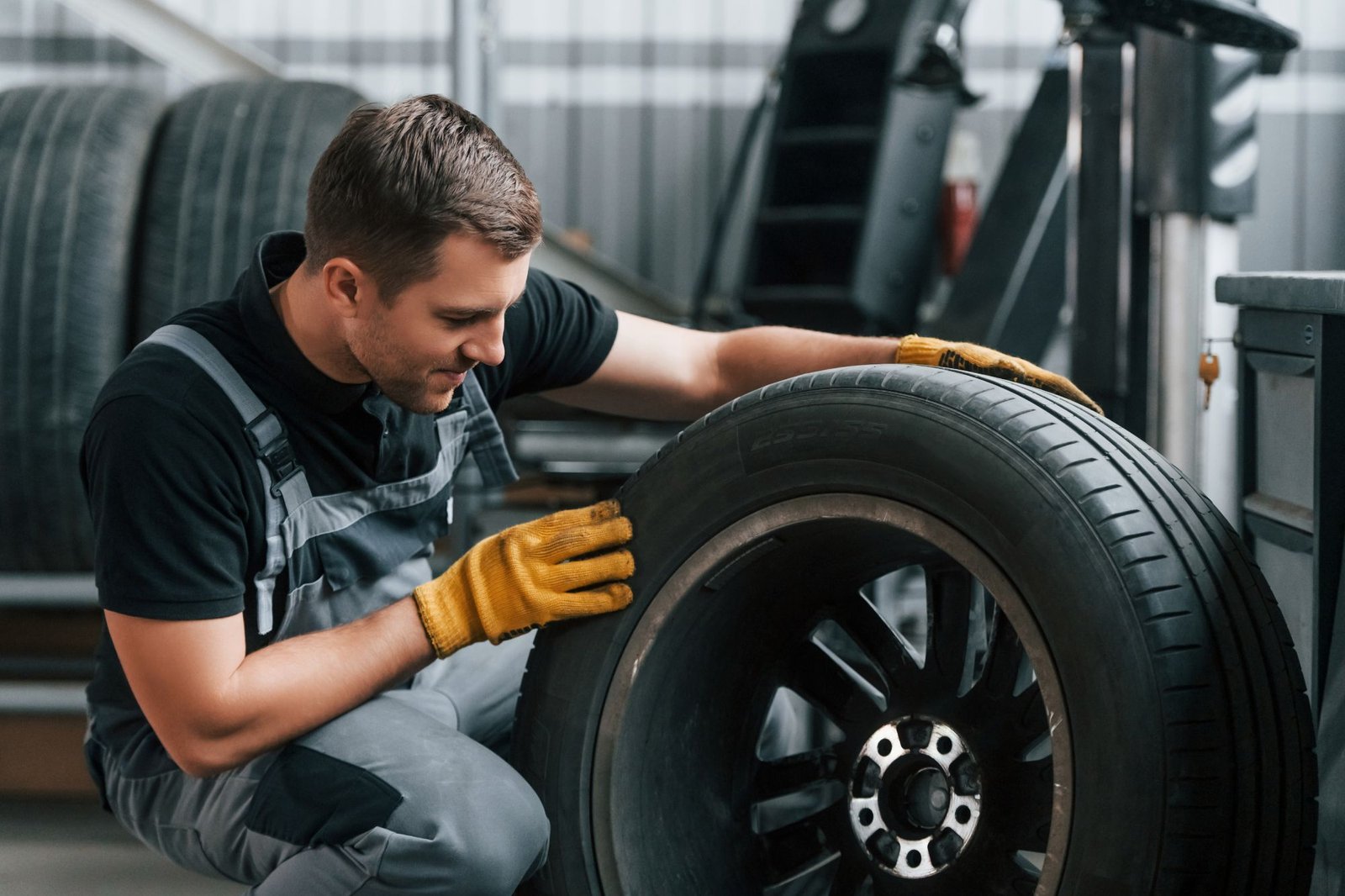
When replacing tires, think beyond the tire itself. Proper mounting and balancing support a smooth ride and reduce vibration. An alignment check is wise if the previous tires wore unevenly, the steering wheel is off-center, or the SUV pulls to one side. For seasonal tire changes, inspect the wheels, valve stems, tread, and brakes while everything is accessible.
Migo Tire Corp. helps drivers compare tire options by vehicle or size, with installation and maintenance support available after the purchase. That combination can save time when you need to balance fitment, seasonal driving needs, and family safety.
The best choice is the one that keeps your SUV composed when the road is wet, cold, crowded, or fully loaded. Choose the right fitment first, match the tire type to your real driving conditions, and give your tires the same attention you give the people riding on them.