A tire can look right beside your vehicle and still be the wrong fit. A difference in diameter, load capacity, or wheel clearance can affect handling, braking, speedometer readings, and tire wear. This vehicle tire fitment guide explains what to check before you order, so you can choose tires that keep your car, truck, or SUV safe and road-ready.
Start With Your Vehicle’s Recommended Tire Size
The most reliable starting point is the tire information placard, usually found on the driver’s door jamb. Depending on the vehicle, it may also be inside the fuel door, glove box, or owner’s manual. This label lists the original tire size, recommended inflation pressure, and often the front and rear sizes if they differ.
Using the placard rather than guessing from the tires currently on the vehicle matters. A previous owner may have installed a different size, or a shop may have fitted tires that were acceptable for a particular wheel package but not original equipment. The placard gives you the manufacturer’s intended baseline for safe operation.
If your vehicle has staggered fitment, the front and rear tires are different widths, aspect ratios, or both. In that case, each position must be matched correctly. Rotating tires front to back may not be possible, but the right staggered setup can support the handling characteristics your vehicle was designed to deliver.
How to Read a Tire Size
Most passenger tire sizes follow a format such as 225/45R17 94V. Each part tells you something useful about fitment.
The first number, 225, is the tire’s width in millimeters. The second number, 45, is the aspect ratio. It means the sidewall height is 45 percent of the tire width. A lower aspect ratio usually creates a shorter sidewall and a more responsive feel, but it can also provide a firmer ride and less protection from pothole damage.
The R means radial construction, which is standard on modern passenger vehicles. The final number, 17, is the wheel diameter in inches. A 17-inch tire must be installed on a 17-inch wheel. Neither a 16-inch nor an 18-inch tire will fit that wheel safely.
The numbers and letters after the size are just as important. In 94V, 94 is the load index and V is the speed rating. These are not optional details. They help confirm that the tire can carry the vehicle’s weight and perform within the operating conditions it was designed for.
Why Similar Sizes Are Not Always Interchangeable
Two sizes can appear close on paper while creating a meaningful difference on the vehicle. For example, a wider tire may sit too close to a suspension component. A taller tire can rub against the wheel well during turns or over bumps. A substantially different overall diameter can also affect speedometer accuracy and the operation of driver-assistance systems.
Changing sizes can be appropriate when fitting a different wheel diameter, improving off-road capability, or selecting a winter wheel package. But the replacement size needs to maintain adequate clearance, preserve a similar overall diameter where possible, and meet the vehicle’s load requirements. When in doubt, confirm fitment before purchase and installation.
Vehicle Tire Fitment Guide: Check Load and Speed Ratings
Load index is especially important for SUVs, light trucks, EVs, and vehicles that regularly carry passengers, tools, or cargo. A tire with an insufficient load index can run hotter under stress and may wear prematurely. Never choose a tire with a lower load capacity than your vehicle requires unless a qualified fitment professional has confirmed it is suitable.
Speed rating identifies the tire’s tested capability at sustained speeds under controlled conditions. It also often relates to handling and heat resistance. You do not need to chase the highest rating available, but replacing tires with the correct rating helps maintain the driving behavior expected from your vehicle.
Some vehicles use reinforced, extra-load, or light-truck tires. These are built for higher carrying capacity or tougher service. An LT tire can be a smart choice for a working truck, but it may ride more firmly than a standard passenger tire. For a family SUV used mostly for commuting, a passenger-rated or extra-load tire may provide a better balance of comfort, durability, and capability.
Match the Tire Category to Your Driving
Fitment is more than physical dimensions. The right tire must also suit the conditions you face.
All-season tires are a practical choice for many drivers who experience moderate conditions and want dependable year-round performance. They are not a replacement for dedicated winter tires when roads regularly see snow, ice, and prolonged freezing temperatures.
Winter tires use compounds that remain flexible in cold weather and tread designs built to improve traction in snow and slush. For drivers in Toronto, the GTA, and other Canadian regions with serious winter conditions, a dedicated winter setup can make seasonal driving more controlled and predictable.
All-weather tires sit between all-season and winter tires. They can be convenient for drivers who want one set of tires with stronger cold-weather capability, though they may not offer the same level of winter grip as a dedicated winter tire or the same warm-weather response as a summer tire.
Summer tires are designed for warm, dry, and wet pavement. They can offer sharp steering response and strong grip, but cold temperatures reduce their effectiveness. Light-truck, all-terrain, mud-terrain, run-flat, and EV-specific tires also have fitment considerations tied to weight, road conditions, and vehicle design.
Do Not Forget the Wheels
Tires and wheels work as a system. When replacing tires on existing wheels, confirm the wheel diameter and width. A tire can only be mounted safely on a wheel within its approved width range.
When changing wheels, additional measurements matter: bolt pattern, center bore, offset, and brake clearance. The wrong offset can move the wheel too far inward or outward, creating rubbing issues or putting added stress on suspension components. Wheels must also have an appropriate load rating for the vehicle.
If you are buying a separate winter wheel package, correct fitment makes seasonal changeovers easier and can help protect your primary wheels from winter road conditions. It also gives technicians a straightforward, repeatable setup to inspect each season.
Check Tire Age and Condition During Replacement
Fitment does not stop at size. If you are replacing only one or two tires, the remaining tires should be inspected for tread depth, uneven wear, damage, and age. Mixing tire models is sometimes necessary, but matching tires across an axle is generally the better approach for stable braking and handling.
For all-wheel-drive vehicles, differences in tire circumference can place extra strain on the drivetrain. Follow your vehicle manufacturer’s guidance, and consider replacing all four tires when tread differences are significant. A qualified technician can measure the remaining tread and help determine whether a partial replacement is sensible.
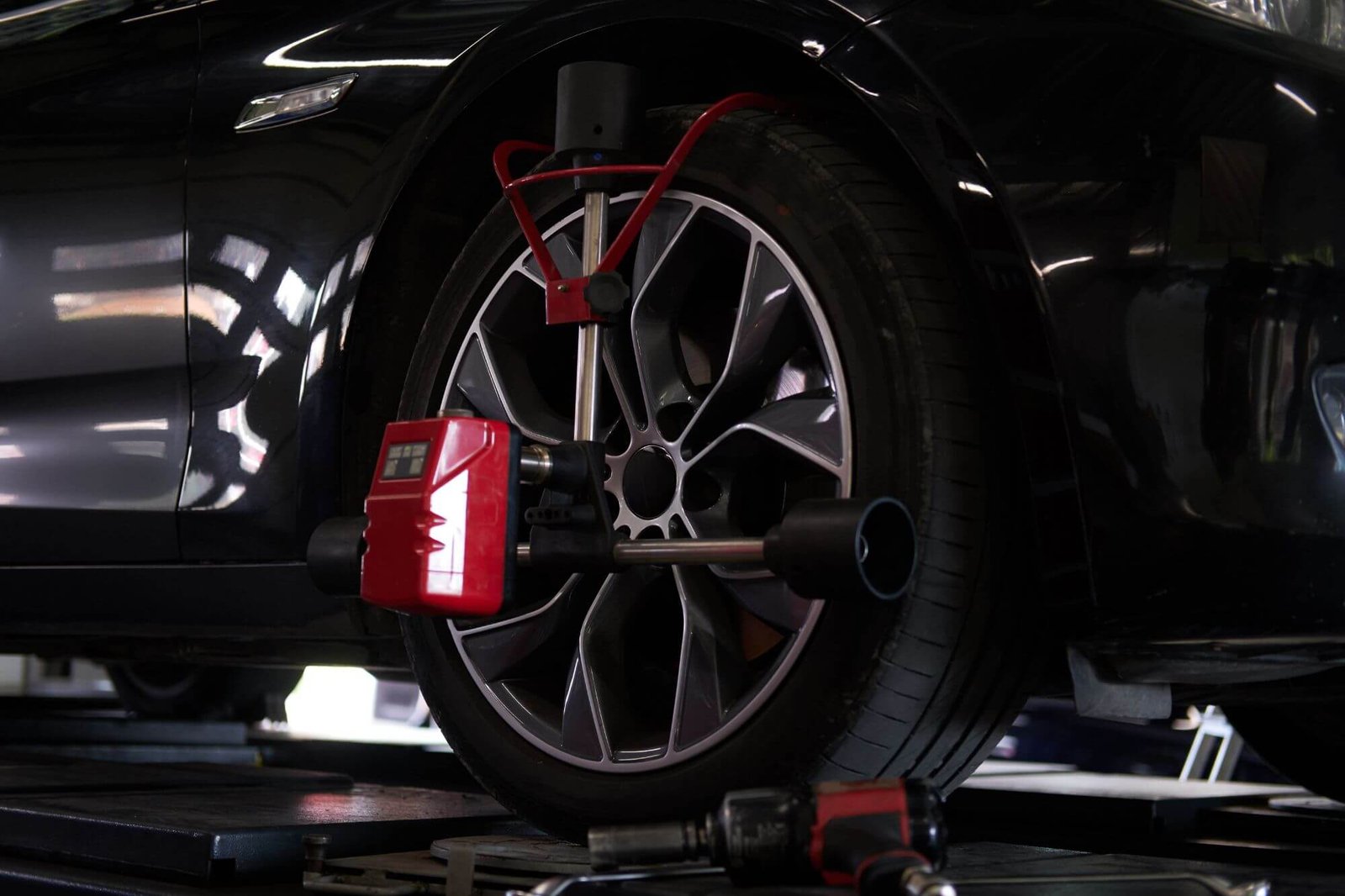
Uneven wear can point to a problem beyond the tire itself. Inner-edge wear may suggest alignment concerns, while cupping can be linked to suspension wear or improper balancing. Replacing tires without addressing the underlying issue can shorten the life of the new set.
Get the Installation Details Right
Correct tire fitment still needs correct installation. Tires should be mounted by trained technicians, balanced, inflated to the vehicle placard pressure, and checked for leaks. Wheel lug nuts need to be tightened to the vehicle’s specified torque, not simply tightened as much as possible.
After installation, pay attention to warning lights, steering pull, vibration, or rubbing noises. These are signs worth checking promptly. If your vehicle uses a tire-pressure monitoring system, the sensors may need to be serviced or reset during the installation process.
A tire purchase is also a good time to ask about alignment, especially if you have noticed uneven wear, a steering wheel that is off-center, or the vehicle pulling to one side. Proper alignment helps your new tires wear more evenly and supports better control on the road.
The right fit begins with your vehicle information, but confident driving comes from treating size, load rating, tire category, wheel compatibility, and installation as one complete decision. Take a few extra minutes to verify the details before ordering, and your next set of tires will be better prepared for the roads ahead.