A freezing rain warning, a slushy commute, and dry pavement by the afternoon can make one question feel very practical: can one set of tires handle it all? This all weather tire review explains what these tires do well, where their limits are, and how to decide whether they suit your vehicle and driving routine.
What an All Weather Tire Is Designed to Do
All-weather tires are built for drivers who want one tire set that can remain on the vehicle throughout the year while offering more winter capability than a typical all-season tire. Most carry the Three-Peak Mountain Snowflake symbol, which means they meet a recognized snow-traction standard. Their rubber compound stays more flexible in cold temperatures, and their tread uses extra biting edges to help find grip on snow and slush.
That does not make every all-weather tire the same. Some models prioritize a quiet, comfortable ride for sedans and crossovers. Others lean harder into winter traction, which can affect warm-weather handling, tread wear, or road noise. The right choice depends less on the category name and more on your local weather, mileage, vehicle, and expectations.
For many drivers in Toronto, the GTA, and other Canadian cities where roads are cleared regularly, all-weather tires can be a practical middle ground. For drivers facing frequent deep snow, steep untreated roads, or long rural winter trips, a dedicated winter tire is still often the stronger choice.
All Weather Tire Review: The Real-World Strengths
The biggest advantage is convenience. With an all-weather tire, you do not need to schedule two seasonal changeovers each year or find space to store a second set of tires. For households with limited storage, busy work schedules, or a vehicle that sees modest annual mileage, that simplicity can be meaningful.
Winter performance is the next major benefit. Compared with conventional all-season tires, all-weather tires generally provide more confident starts, stops, and turns in cold conditions. Their tread channels are designed to move slush and water away from the contact patch, while the added siping – the small cuts across the tread blocks – helps the tire grip packed snow.
They also work in warm and wet conditions. A quality all-weather tire is meant to stay on the vehicle through spring rain and summer highway driving, not just the cold months. That makes it a sensible option for drivers who experience variable weather but do not regularly push their vehicle through severe winter conditions.
There is also peace of mind in the shoulder seasons. Early snowfalls and late freezes can arrive before many drivers have completed a tire changeover. An all-weather tire helps keep the vehicle road-ready when the forecast changes quickly.
Where All-Weather Tires Involve Trade-Offs
No single tire can fully match the specialized performance of both a premium summer tire and a dedicated winter tire. That is the key point to understand before buying.
On ice, in very deep snow, and during prolonged subfreezing weather, a true winter tire normally delivers better grip. Its compound remains especially pliable in severe cold, and its tread pattern is optimized for snow and ice rather than year-round use. If winter driving is a daily necessity rather than an occasional challenge, winter tires may be worth the seasonal swap.
All-weather tires can also wear faster than some long-life all-season models, especially when used on hot pavement, driven aggressively, or run with incorrect air pressure. This varies by tire model, vehicle weight, alignment condition, and driving habits. A high-powered vehicle, heavy SUV, or electric vehicle with instant torque can be particularly demanding on tread.
Summer handling may feel less precise than it would with a performance-focused all-season or summer tire. Most everyday commuters will find this trade-off acceptable. Drivers who value sharp cornering, repeated high-speed highway travel, or spirited warm-weather driving may prefer a more specialized setup.
All-Weather vs. All-Season vs. Winter Tires
The names sound similar, but the categories serve different needs.
An all-season tire is primarily intended for moderate conditions. It can handle rain, light snow, and everyday driving, but its compound and tread are not designed for serious winter use. Many all-season tires do not carry the Three-Peak Mountain Snowflake symbol.
An all-weather tire sits between all-season and winter options. It is designed to provide dependable year-round driving with added cold-weather and snow capability. It is often the best fit for drivers who want one set of tires and encounter real winter weather without routinely traveling through the harshest conditions.
A winter tire is the specialist. It provides the strongest cold-weather traction and braking performance, but it should be removed when temperatures consistently rise. Warm pavement can wear winter rubber more quickly and reduce the crisp handling many drivers expect in summer.
The decision is not about choosing the category with the most features. It is about choosing the tire that matches the conditions you actually drive in.
How to Read an All Weather Tire Review
When comparing models, look beyond a star rating or one strong comment. A useful review explains where and how the tire was used. A driver commuting on cleared city streets will have a different experience from someone driving an unplowed cottage road after a snowstorm.
Pay attention to comments about snow braking, wet-road confidence, hydroplaning resistance, road noise, ride comfort, and tread wear. These are the areas where all-weather tires can differ most. If several reviews mention good snow traction but a firmer ride, that may be a fair trade if winter confidence is your priority. If quiet highway comfort matters more, a touring-oriented model may be better suited to your needs.
It is also smart to check whether the reviewer drives a vehicle similar to yours. Tire behavior can change significantly between a compact car, minivan, crossover, pickup, and EV. Load rating, tire size, vehicle weight, and drivetrain all affect the result.
Who Should Consider All-Weather Tires?
All-weather tires make the most sense for drivers who want reliable year-round performance without maintaining separate summer and winter sets. They are especially useful for city and suburban commuters, families with one primary vehicle, retirees who prefer to avoid seasonal appointments, and drivers whose vehicles are parked outdoors or have limited storage options.
They can also suit drivers who make occasional winter trips but do not regularly drive in severe mountain, rural, or remote-road conditions. A carefully selected all-weather tire provides a stronger safety margin than an ordinary all-season tire when temperatures drop and snow begins to accumulate.
They may not be the best choice if you regularly travel on icy, poorly cleared roads, drive through frequent heavy snow, tow in winter, or require maximum cold-weather stopping power. In those situations, dedicated winter tires are usually the more confident option.
Fitment and Maintenance Matter as Much as the Tire
Even an excellent tire cannot perform as intended if it is the wrong size, has an insufficient load rating, or is installed without proper balancing. Start with the tire size and specifications recommended for your vehicle. If you are changing sizes, confirm that the replacement is appropriate for the vehicle and wheel setup.
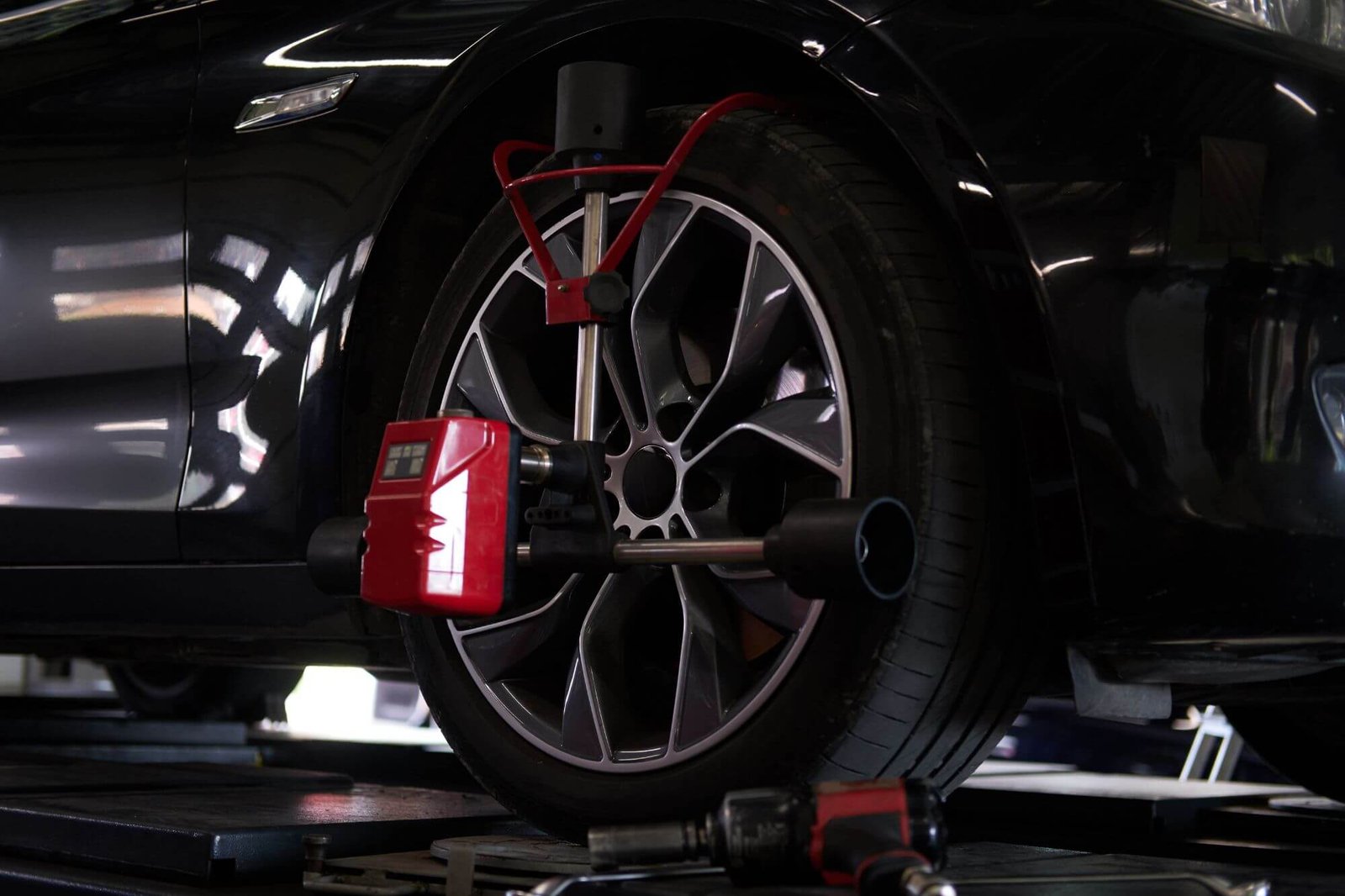
Check tire pressure at least once a month and before long trips. Pressure drops as temperatures fall, and underinflated tires can reduce handling, increase wear, and affect fuel efficiency. Regular rotations help tires wear more evenly, while alignment service is important if the vehicle pulls to one side, the steering wheel sits off-center, or tread wear looks uneven.
For all-wheel-drive vehicles, keep tread depth consistent across all four tires whenever possible. Large differences in tire circumference can place unnecessary strain on the drivetrain. When in doubt, ask a tire professional to confirm the best replacement approach.
Choosing the Right All-Weather Tire for Your Vehicle
Start with your usual route, not the most extreme weather day of the year. Consider how often you drive before roads are plowed, how many highway kilometers you cover, whether you carry passengers or cargo, and how much ride comfort matters to you. Those answers narrow the options quickly.
Then compare tires within the correct size, load rating, and speed rating for your vehicle. A lower-priced option may fit a low-mileage commuter well, while a premium touring all-weather tire may make more sense for a family vehicle that sees long highway trips. The goal is not simply to buy an all-weather tire. It is to find your perfect tire for the roads, weather, and vehicle you depend on.
A qualified team can help confirm fitment and arrange installation, balancing, alignment, and future maintenance in one place. Migo Tire can help Canadian drivers compare suitable options and keep their vehicles safe and road-ready after installation.
The best all-weather tire is the one that gives you enough winter confidence without asking you to compromise more than your daily driving demands. Choose based on your real conditions, maintain it properly, and you will get far more value from every kilometer.