An electric vehicle can feel remarkably quiet and quick, but those same qualities change what your tires need to handle. When comparing EV tires vs regular tires, the biggest differences come down to vehicle weight, instant torque, road noise, and rolling resistance. The right choice is not always the tire with an EV label. It is the tire that fits your vehicle, driving conditions, and priorities without compromising safety.
For many drivers, a quality regular tire in the correct size and load rating can work well on an EV. In other cases, an EV-specific tire can make a noticeable difference in ride comfort, efficiency, and tread life. Here is what to consider before replacing your tires.
EV tires vs regular tires: the practical difference
EV tires are designed with the characteristics of electric vehicles in mind. Most EVs are heavier than similar gas-powered vehicles because of the battery pack. They also deliver power immediately when the driver presses the accelerator. That quick torque can put extra stress on the tread, especially during hard starts.
Regular tires are a broad category that includes all-season, summer, winter, and touring tires made for many types of vehicles. Some are fully capable of supporting an EV, while others may wear faster, create more road noise, or reduce driving range. The key is to look beyond the category name and check the tire’s fitment, load capacity, intended use, and performance ratings.
An EV tire may use a stronger construction to carry higher vehicle weight, a tread compound designed to resist torque-related wear, and a pattern built to reduce noise. It may also be engineered for lower rolling resistance, which can help preserve battery range. These features can be useful, but they involve trade-offs.
Why weight and torque matter
A tire supports the full weight of the vehicle, passengers, and cargo. Because many EVs weigh more than comparable gas vehicles, choosing a tire with the correct load index is essential. A tire that fits the wheel but does not meet the vehicle’s load requirement is not the right tire.
Instant torque matters too. EVs can accelerate smoothly, but they can still wear tires quickly when drivers regularly use strong acceleration. Front tires on front-wheel-drive EVs and rear tires on powerful rear-wheel-drive models may show faster wear depending on how the vehicle delivers power.
That does not mean every EV needs a specialized tire. It does mean that tire rotation, proper inflation, and wheel alignment become especially important. A good tire can still wear prematurely if it is underinflated, misaligned, or never rotated.
Range, grip, and the rolling-resistance trade-off
Rolling resistance is the energy a tire uses as it rolls down the road. A lower-rolling-resistance tire can help an EV travel farther on a charge. This is one reason many electric vehicles come from the factory with efficiency-focused tires.
The trade-off is that maximum efficiency is not always the same as maximum grip. A tire designed primarily for low rolling resistance may not provide the same sporty steering response or wet-weather traction as a performance-focused option. For a daily commuter, protecting range may be the priority. For a driver who values confident cornering and responsive handling, a performance tire may be a better match.
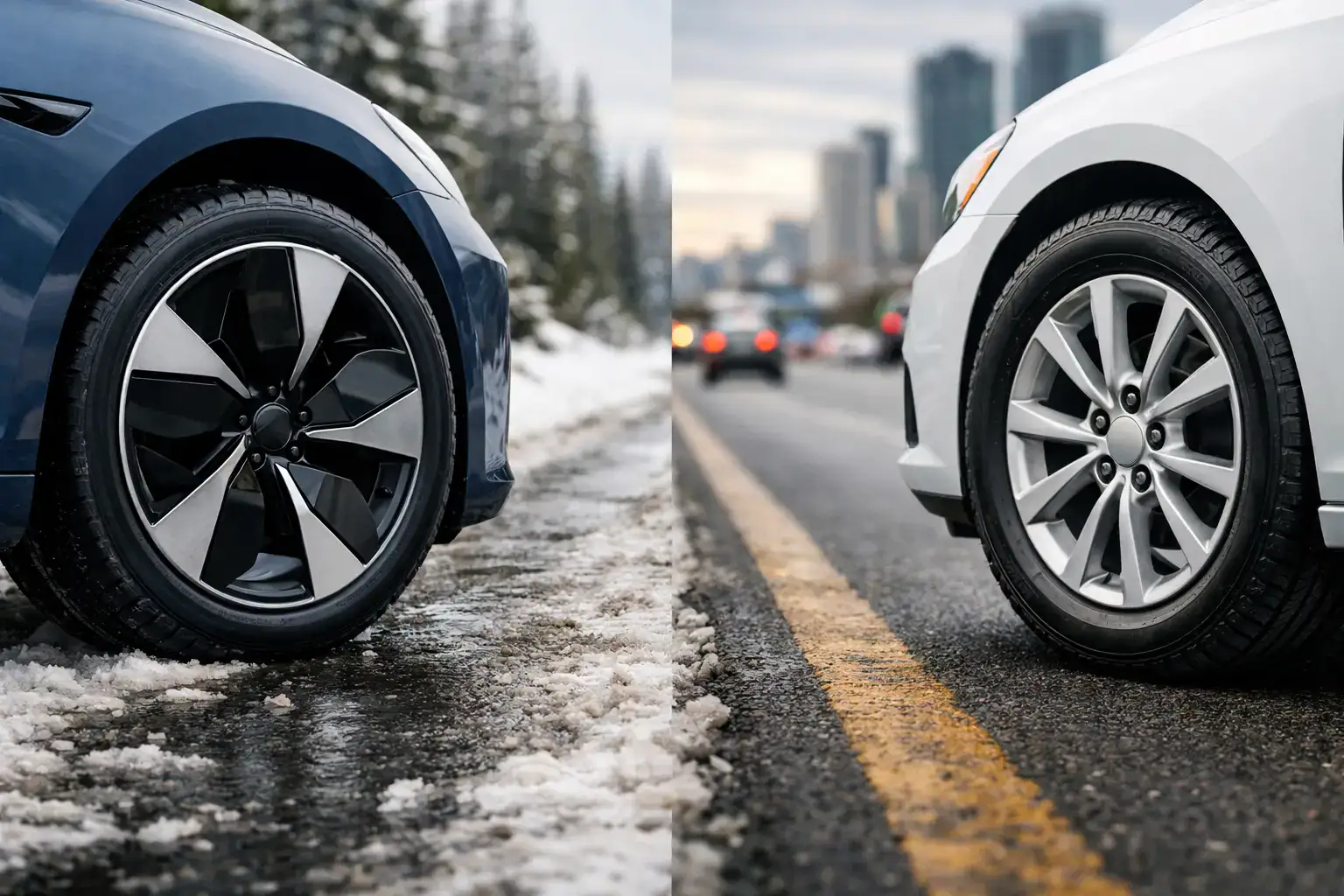
Weather should remain part of the decision. In areas with cold temperatures, snow, slush, or ice, winter tires are still the safer seasonal choice, whether the vehicle is electric, hybrid, or gas-powered. The added weight of an EV does not replace the need for a winter tread compound and proper winter traction. If you want one set of tires for year-round use, an all-weather tire may be worth considering based on your local conditions and driving habits.
Noise is more noticeable in an EV
Gas engines mask a lot of road sound. In an EV, there is much less engine noise, so tire hum, pavement texture, and vibration can stand out more clearly inside the cabin. EV-specific tires often include tread designs intended to reduce road noise, and some models use internal foam or other noise-reduction features.
A quieter tire can make long commutes more comfortable, but it is not the only way to improve cabin noise. Tire pressure, road surface, suspension condition, and the vehicle’s sound insulation all play a role. A regular touring tire known for a quiet, comfortable ride can also be a strong option if it meets your EV’s load and speed requirements.
Can you put regular tires on an EV?
Yes, provided they are the correct size and meet the vehicle manufacturer’s requirements for load index, speed rating, and any other fitment specifications. The tire must also suit the season and the way you drive.
A regular tire may be a sensible choice when you need winter tires, prefer a certain driving feel, or want an all-season or touring tire that matches your daily use. Many current tire designs are built to handle heavier vehicles and offer reliable wet and dry traction, even if they are not marketed specifically for EVs.
However, avoid choosing based on price or appearance alone. A tire with insufficient load capacity, a mismatched size, or an unsuitable speed rating can affect handling, braking, comfort, and wear. If your vehicle has staggered tire sizes or a manufacturer-approved specification, follow those requirements closely.
When EV-specific tires make sense
EV tires are often worth considering if range is a major concern, your vehicle is particularly heavy, or you want to reduce road noise. They can also be a smart fit for drivers who travel long highway distances or want a tire engineered around the vehicle’s original ride characteristics.
They may be less essential if your vehicle sees limited mileage, you change to dedicated winter tires each season, or a properly rated conventional tire better matches your needs. The best choice depends on the tire model, not just the label on the sidewall.
Before buying, compare the tire’s load index, speed rating, treadwear expectations, wet traction, winter suitability, and noise-focused features. If two tires fit your vehicle, one may prioritize range while the other focuses more on grip or comfort. There is no single winner for every driver.
Get more life from any EV tire
EV tires can wear faster than expected when basic maintenance is ignored. Check tire pressure regularly, including before longer trips and major temperature changes. Use the pressure listed on your vehicle’s door-jamb placard, not the maximum pressure printed on the tire sidewall.
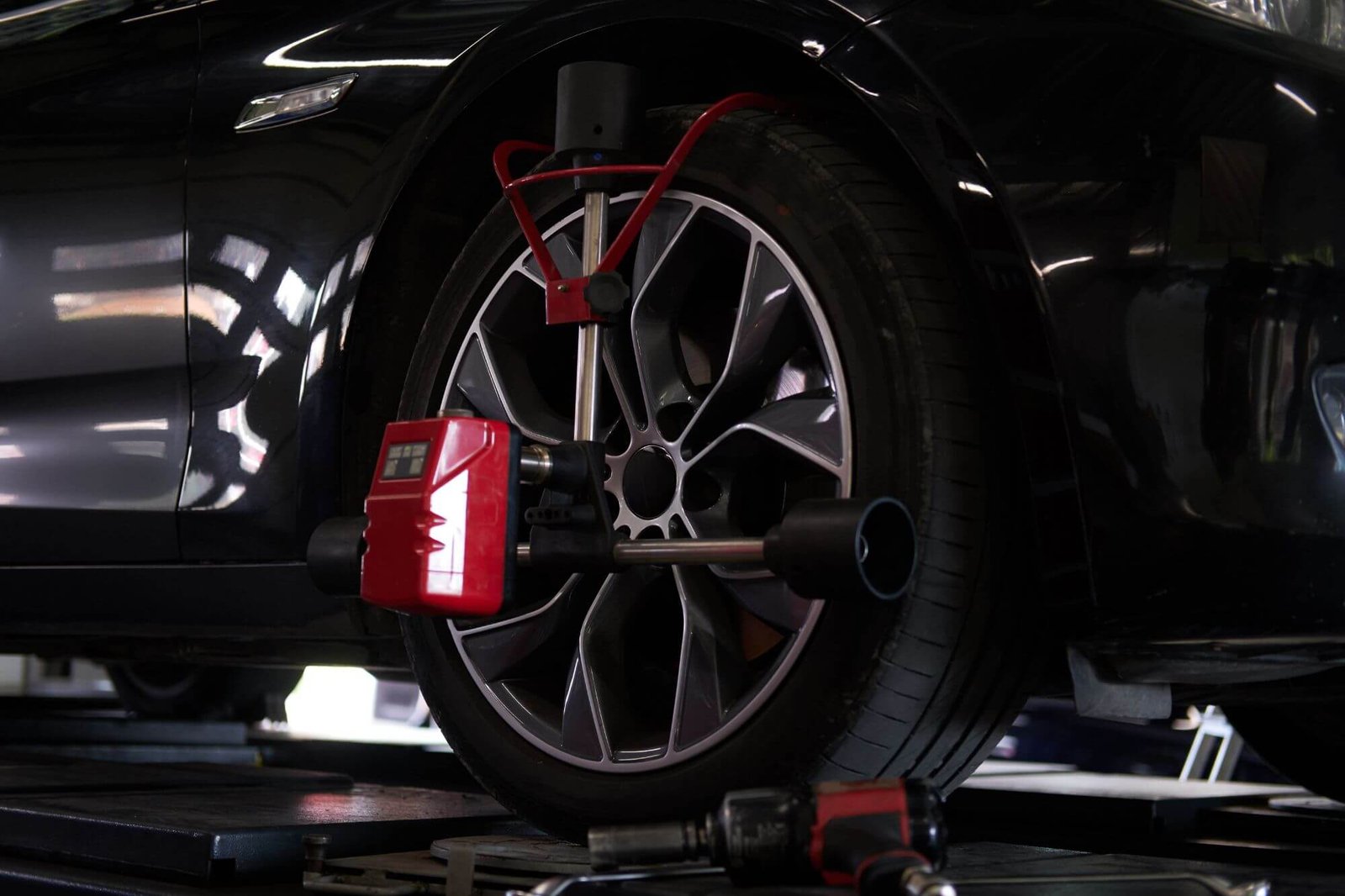
Rotate tires on the schedule recommended by your vehicle manufacturer or tire professional. Rotation helps distribute wear more evenly, particularly on vehicles with strong acceleration or different front-to-rear wear patterns. It is also wise to have alignment checked if the vehicle pulls to one side, the steering wheel is off-center, or you notice uneven tread wear.
Do not wait until a tire is visibly worn out to inspect it. Look for shallow tread, cracking, bulges, punctures, vibration, or unusual wear along the inner or outer shoulder. Addressing a repairable issue early can help protect the rest of the set.
Choosing the right tire for your vehicle
Start with your vehicle information and confirm the original tire size. Then consider how and where you drive. A quiet, efficient EV tire may be ideal for a long-distance commuter. A winter tire is the practical choice for severe winter conditions. A touring or all-season tire may offer the balanced comfort and everyday traction many drivers want.
The most reliable decision is based on proper fitment and real-world needs, not marketing alone. If you are unsure whether an EV-specific model or a regular tire is right for your vehicle, Migo Tire can help you compare suitable options and keep your vehicle safe and road-ready through installation, balancing, and ongoing tire care.
Your tires are the only part of the vehicle that touches the road. Choosing a set that supports your EV’s weight, your driving style, and the conditions you face will do more for confidence behind the wheel than choosing a label alone.