
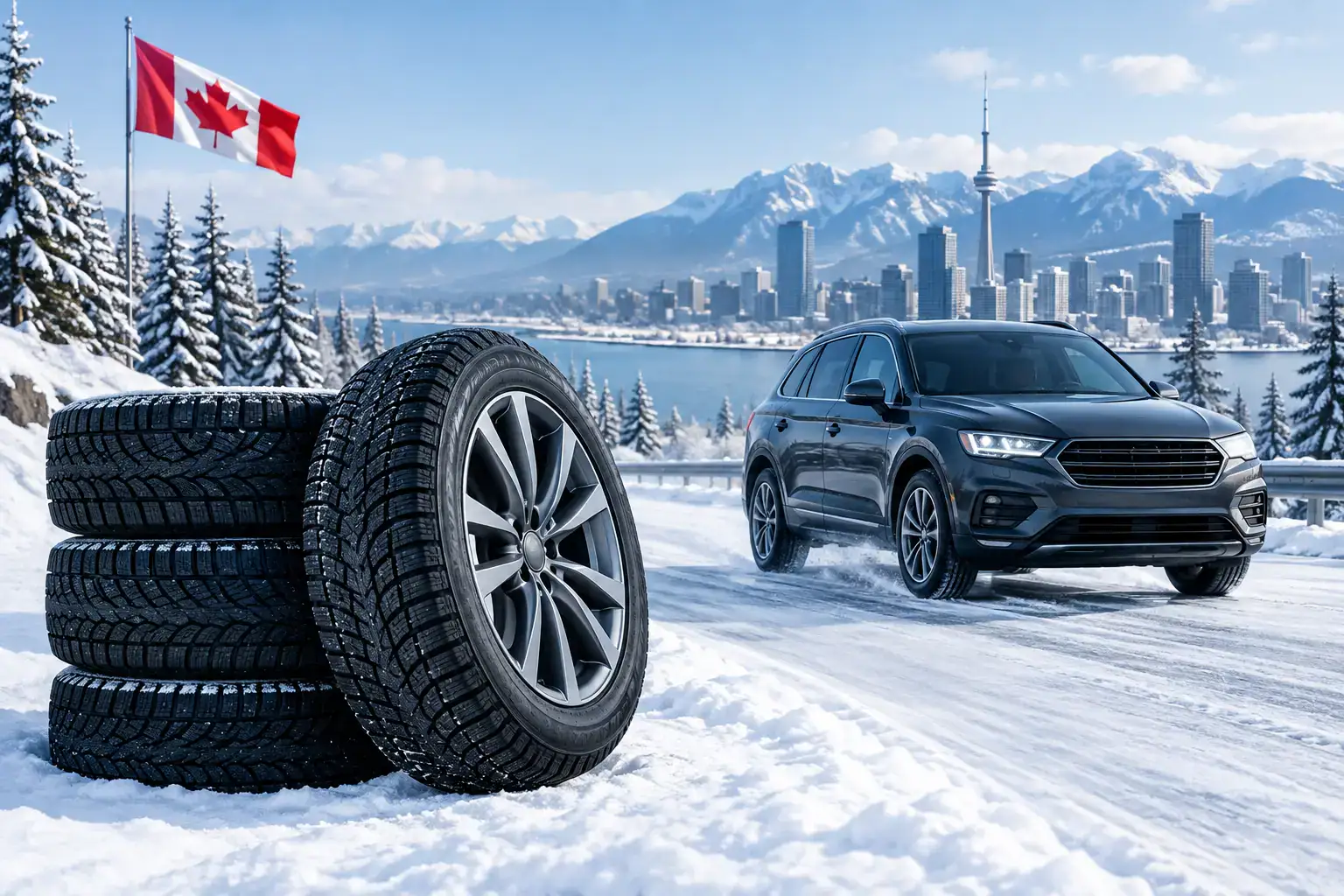
The first icy stop of the season is when tire choice becomes very real. This Michelin winter tire review looks at what drivers can reasonably expect from Michelin’s winter lineup, where these tires tend to shine, and when another type of tire may better suit your vehicle, commute, and budget.
Michelin is a premium tire brand, and its winter tires are generally aimed at drivers who want confident cold-weather traction without giving up a quiet, composed ride on cleared roads. That balance matters for Canadian drivers who may face slush in the morning, wet pavement by noon, and packed snow on the trip home.
Michelin Winter Tire Review: The Short Answer
Michelin winter tires are a strong choice for drivers who prioritize predictable traction, refined road manners, and long-term value. Their winter models are typically well suited to commuters, families, and highway drivers who spend plenty of time on plowed roads but still need dependable grip when conditions turn snowy or icy.
The trade-off is simple: premium winter tires often cost more upfront than entry-level alternatives. Whether that difference is worthwhile depends on how often you drive in severe weather, how long you plan to keep the tires, and how much you value braking confidence and comfort during daily travel.
For most passenger vehicles, Michelin’s X-Ice line is the model family many shoppers will consider first. Performance-oriented cars and SUVs may be better matched with a Michelin Pilot Alpin winter tire, while fitment availability will always depend on your vehicle’s approved tire size, load rating, and speed rating.
What Michelin Winter Tires Do Well
Confident traction on packed snow and ice
A proper winter tire is built with a rubber compound that stays more flexible in low temperatures than an all-season tire. Michelin uses winter-focused compounds and tread designs to help the tire maintain contact with cold pavement, packed snow, and ice.
On the road, that usually translates to more controlled starts, steadier cornering, and shorter, more predictable stops than you would get from all-season tires in winter conditions. No tire can remove the need to slow down on ice, but a dedicated winter tire gives your vehicle a far better chance to respond as expected when traction is limited.
Many Michelin winter tires carry the Three-Peak Mountain Snowflake symbol, indicating they meet a recognized standard for severe snow service. This is useful confirmation that you are choosing a true winter tire rather than an all-season product with only a winter-style tread appearance.
Comfortable behavior on cleared roads
Winter driving is not all deep snow. In Toronto, the GTA, and many Canadian cities, roads are often wet, dry, salted, or slushy for much of the season. Michelin winter tires have a reputation for feeling composed in these everyday conditions, with less of the loose or noisy feeling some drivers associate with aggressive winter tread patterns.
That makes a difference for long commutes and family vehicles. A winter tire should help when the weather is poor, but it also needs to be livable during the many miles when the road has already been cleared.
A focus on usable tread life
Winter tires wear faster when driven in warm conditions, regardless of brand. Still, Michelin is often considered by drivers looking for a winter tire they can use for several seasons with proper care. Tread compounds and tread design can help preserve winter performance as the tire ages, although actual lifespan depends heavily on mileage, alignment, inflation pressure, driving style, and seasonal storage.
This is where the higher purchase price can make more sense. A tire that remains even-wearing and predictable through multiple winter seasons can offer better value than a less expensive tire that needs replacement earlier or becomes noticeably less capable as tread depth falls.
Where the Trade-Offs Show Up
Michelin is not automatically the best answer for every driver. The clearest drawback is the initial cost. If you drive very few winter miles, have a second vehicle, or need winter tires for a short-term situation, a value-focused winter tire may meet your needs at a lower upfront expense.
Drivers who regularly travel unplowed rural roads, steep driveways, or deep snow may also prefer a more aggressive winter tire design. Michelin’s balanced approach works very well for common commuting conditions, but a tire built primarily for deep-snow bite can feel more capable in the harshest snow while creating more road noise or a firmer ride on dry pavement.
There is also a difference between ice traction and dry-road performance. The soft compounds that help a winter tire grip in the cold can feel less sharp than summer or all-season tires when temperatures rise. That is normal. Winter tires should be installed for the cold season and removed once consistent warm weather returns.
Choosing Between Michelin Winter Tire Types
The right Michelin winter tire starts with your vehicle and how you use it, not with a brand name alone.
For sedans, minivans, crossovers, and many SUVs, the Michelin X-Ice family is generally the practical place to start. These tires are intended for drivers who want winter confidence, wet-weather control, and a quiet, comfortable ride for regular commuting and highway use. They are a sensible match for drivers who encounter a mix of cleared roads, slush, snow-covered side streets, and occasional ice.
For performance sedans, coupes, and certain sport-focused SUVs, a Michelin Pilot Alpin tire may be the better fit. These tires are designed to support more responsive handling while still providing winter capability. They can be a good choice when your vehicle has larger wheels, a performance-oriented fitment, or manufacturer specifications that call for a higher speed rating.
Do not choose solely by the tire name printed on the sidewall. Confirm the tire size, load index, and speed rating listed for your vehicle. If your vehicle has staggered tire sizes or different front and rear wheel widths, the correct winter setup may be more involved. A tire professional can help verify that the tires are compatible with your vehicle before installation.
Are Michelin Winter Tires Better Than All-Weather Tires?
For severe winter conditions, dedicated winter tires are usually the better option. All-weather tires can be convenient because they are designed for year-round use and many carry the Three-Peak Mountain Snowflake symbol. They may work well for drivers in milder areas, lower-mileage vehicles, or people who cannot store a second seasonal set.
However, a dedicated Michelin winter tire is built specifically for cold temperatures, snow, slush, and ice. That specialization generally provides an advantage when temperatures stay low and conditions are consistently wintry. The difference can be especially noticeable during emergency braking, hill starts, and turns on packed snow.
If you drive through Ontario winters every day, travel early before roads are fully cleared, or carry family members regularly, a separate winter tire set is often the safer and more confidence-inspiring choice. If your driving is limited and winter weather is occasional, all-weather tires may be the more convenient compromise.
How to Get the Best Results From Your Winter Tires
Even an excellent tire cannot perform properly if it is incorrectly installed or poorly maintained. Install four matching winter tires whenever possible. Putting winter tires on only one axle can create an imbalance in traction that makes the vehicle harder to control during braking or cornering.
Check tire pressure regularly because pressure drops as temperatures fall. Use the vehicle manufacturer’s recommended pressure, which is found on the driver-side door placard, rather than relying only on the maximum pressure printed on the tire. Proper inflation supports traction, tread wear, fuel efficiency, and ride quality.
Seasonal tire changes are also a good time for balancing and an alignment check. If your vehicle pulls to one side, the steering wheel sits off-center, or a tire shows uneven wear, correcting the issue can help protect your investment. Store off-season tires in a clean, dry location away from direct sunlight and sources of heat.
Who Should Buy Michelin Winter Tires?
Michelin winter tires make the most sense for drivers who put safety, comfort, and predictable winter handling ahead of the lowest possible purchase price. They are particularly well suited to commuters, families, crossover and SUV owners, and drivers who cover significant highway mileage through the winter.
They may be less compelling for a vehicle that rarely leaves the driveway in bad weather or for a driver whose main concern is the lowest initial cost. In those cases, the best tire is still one that fits correctly, carries proper winter certification when needed, and is maintained well.
Before the first sustained cold spell, confirm your tire size, inspect current tread depth, and book installation early. The right Michelin winter tire is not about chasing a brand name. It is about giving your vehicle the grip and control it needs to keep every winter trip safe and road-ready.


