
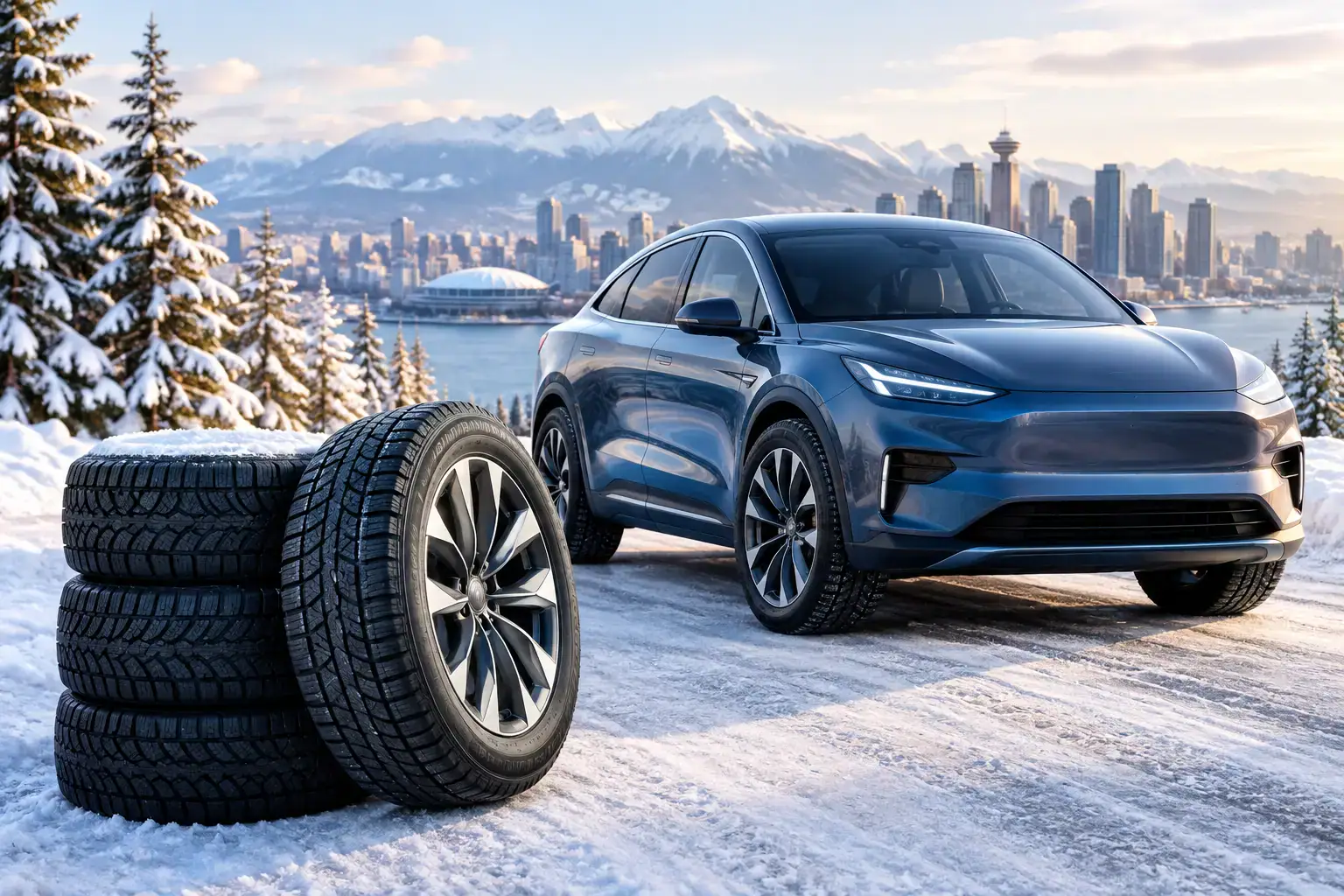
Electric SUVs ask more from their tires than many drivers expect. Instant torque can wear tread quickly, battery weight puts more demand on load capacity, and a quiet electric cabin makes road noise easier to notice. The best electric SUV tire picks are not simply the lowest-rolling-resistance option. They need to match your vehicle, your climate, and the way you actually drive.
A tire that helps preserve driving range is useful, but it should not come at the cost of confident braking in rain, stable handling, or dependable winter traction. Start with the tire size and specifications listed on your vehicle’s door placard, then narrow the choices based on your daily needs.
Why Electric SUVs Need the Right Tires
Electric SUVs are often heavier than similar gas-powered models because of their battery packs. That added weight increases the force placed on each tire during braking, cornering, and pothole impacts. A tire with the correct load index is essential for safety, handling, and even tread life.
EVs also deliver power immediately. Quick acceleration is one of the best parts of electric driving, but frequent hard launches can wear down a softer tread compound faster. This does not mean you need to sacrifice grip. It means choosing a tire designed to manage the weight and torque of a crossover or SUV is usually a smarter move than choosing a basic passenger-car tire that happens to fit.
Noise matters, too. Without a traditional engine covering up road sounds, a coarse or aggressively patterned tire can make highway driving noticeably louder. Many EV-ready touring tires use tread designs and internal construction intended to reduce road noise while maintaining a comfortable ride.
Electric SUV Tire Picks by Driving Need
The right category depends on where you drive and what you expect from your vehicle throughout the year. Here are the most practical options for common electric SUV use cases.
EV-focused touring all-season tires
For most drivers who commute, run errands, and take regular highway trips, an EV-focused touring all-season tire is a strong starting point. These tires are commonly built with low rolling resistance to support efficiency, reinforced construction for heavier vehicles, and tread patterns designed for a quieter ride.
They are a practical choice for mild to moderate conditions, wet roads, and everyday driving. The trade-off is that all-season tires are not a replacement for dedicated winter tires in frequent snow, ice, or sustained freezing temperatures.
Grand touring all-season tires
A grand touring all-season tire can be a good fit when quiet comfort, wet-road control, and long tread life are higher priorities than maximum range. Many electric SUV owners prefer this category because it offers composed highway manners and dependable year-round performance in changing weather.
Look closely at the load index and speed rating rather than choosing solely by category. A tire may have the right diameter and width but still not meet the requirements of your specific SUV. Matching or exceeding the vehicle manufacturer’s required load rating is the safer approach.
All-weather tires for changing conditions
All-weather tires are worth considering for drivers who face cold, rain, slush, and occasional snow but do not want to maintain two seasonal tire sets. They are designed to stay more flexible in cold temperatures than typical all-season tires, giving them an advantage when conditions turn wintry.
This category is about convenience, not perfection in every condition. An all-weather tire can be a sensible middle ground for urban and suburban driving, but dedicated winter tires still provide stronger traction and braking confidence on packed snow and ice.
Dedicated winter tires
If your electric SUV sees real winter weather, a dedicated winter tire is often the most safety-focused choice. Winter compounds remain flexible in cold temperatures, while their tread patterns use more biting edges to improve traction, steering response, and stopping control on snow-covered roads.
EV drivers should pay particular attention to winter tire load ratings. The extra vehicle weight can make traction and braking performance even more important. A properly matched winter set also helps protect your all-season or summer tires from cold-weather wear.
Performance summer tires
For drivers who prioritize dry-road handling, responsive steering, and strong warm-weather grip, performance summer tires can bring out the more engaging side of an electric SUV. They are especially suited to higher-performance models and drivers who spend time on clear, dry pavement in warm conditions.
Summer tires should not be used once temperatures stay near freezing or when snow and ice are possible. Their compounds harden in cold conditions, reducing grip when you need it most. They are a seasonal choice, not a year-round solution.
Crossover and light off-road tires
Some electric SUVs are used for cottage trips, gravel roads, trailhead access, or light off-road travel. In that case, a crossover or all-terrain-oriented tire may offer added sidewall protection and more confidence on loose surfaces.
The trade-off is usually increased road noise, greater weight, and a possible reduction in driving range compared with an EV touring tire. If most of your kilometers are on pavement, an aggressive tread pattern may add more compromise than benefit.
How to Choose Between Tire Options
Begin with the vehicle placard, usually found inside the driver’s door area. It provides the original tire size, recommended inflation pressure, and load information. These details matter more than a tire’s appearance or marketing label.
When comparing electric SUV tire picks, focus on four practical factors: correct fitment, proper load capacity, seasonal traction, and your preferred balance of range, comfort, and durability. A low-rolling-resistance tire may help efficiency, but a tire with poor winter performance is not the right choice for a driver who regularly faces snow. Likewise, a highly aggressive all-terrain tire may look capable but can create more noise and reduce efficiency for a daily commuter.
Do not assume that every tire marked EV-ready is automatically the best match. EV-specific designs can offer real benefits, but the right tire still depends on your vehicle’s size, weight, and driving conditions. A properly rated conventional touring or winter tire may be the better option for some electric SUVs.
Do Not Overlook Installation and Maintenance
New tires perform best when they are installed and maintained correctly. Professional mounting and balancing help prevent vibration, while a wheel alignment can protect your new tread from uneven wear. This is particularly important after hitting potholes or curbs, which can affect alignment without creating an obvious problem right away.
Check tire pressure regularly, preferably when the tires are cold. Underinflation can reduce range, affect handling, and accelerate shoulder wear. Overinflation can make the ride harsher and reduce the tire’s contact patch. Use the pressure listed by your vehicle manufacturer, not the maximum pressure printed on the tire sidewall.
Tire rotation is also important for electric SUVs. Depending on the vehicle and drivetrain layout, front and rear tires may wear at different rates. Rotating tires at the recommended interval helps spread wear more evenly and can extend the useful life of the set.
If you are unsure where to start, Migo Tire can help you search by vehicle or tire size and identify options that fit your seasonal and daily driving needs. Choosing the right tire is easier when fitment, installation, balancing, and ongoing maintenance are considered together.
Your electric SUV is built for quiet, capable, efficient driving. Give it tires that support those strengths, and you will be better prepared for every commute, highway trip, and change in weather ahead.


