
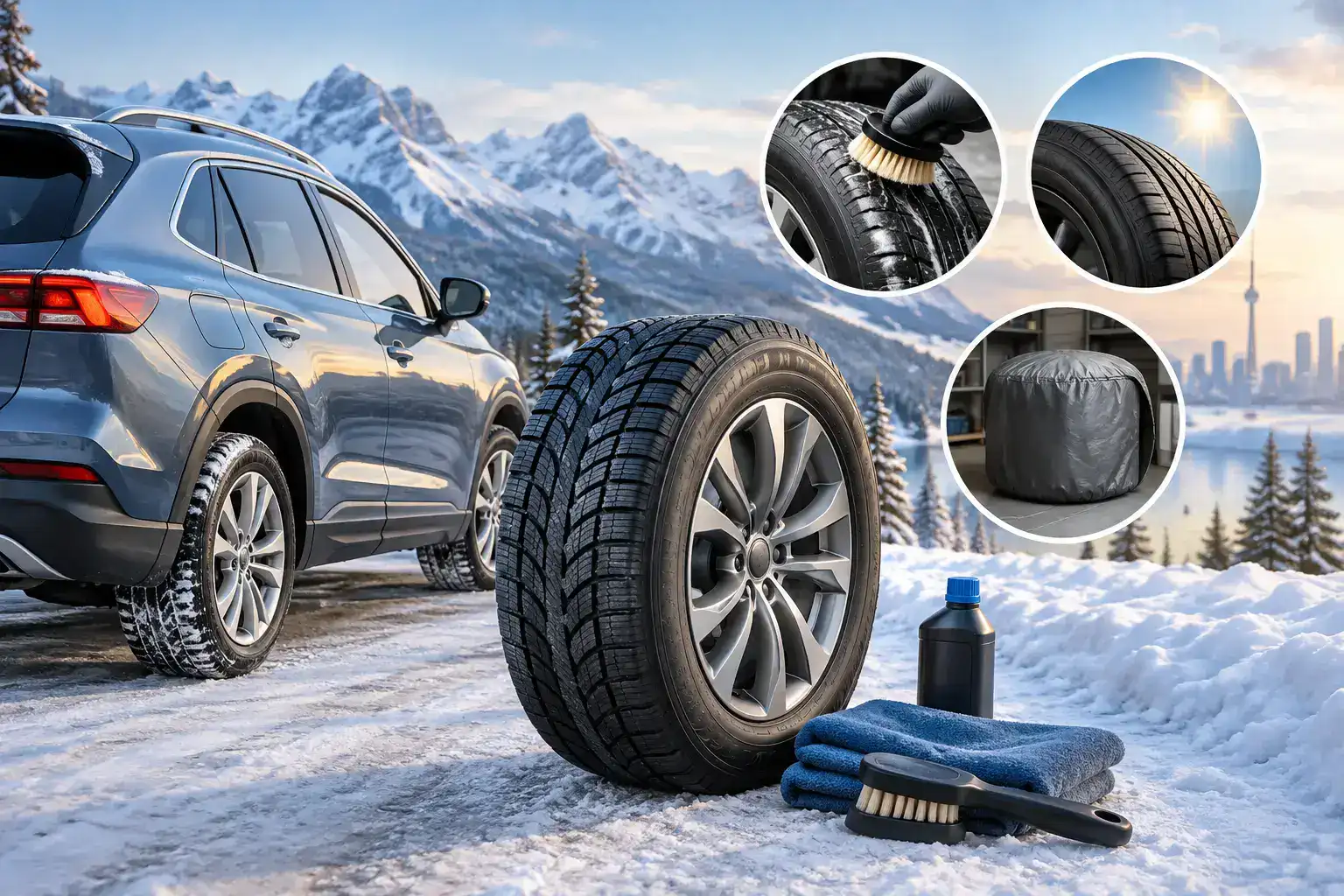
A tire can have plenty of tread left and still be unsafe to drive. Small cracks along the sidewall, between tread blocks, or near the bead are often the first visible signs of dry rot. Knowing how to prevent tire dry rot helps you protect your investment, avoid unexpected replacements, and keep your vehicle safe and road-ready.
Dry rot is not always completely avoidable. Tires are made from rubber compounds that naturally age over time, even when a vehicle is parked. But heat, sunlight, inactivity, poor storage, and incorrect inflation can speed up the process. A few practical habits can make a meaningful difference, especially for vehicles that sit for long stretches or use separate winter and summer tire sets.
What Tire Dry Rot Looks Like
Tire dry rot, sometimes called sidewall cracking or weather checking, happens when the rubber loses flexibility. The tire surface may look faded, dry, or slightly gray before cracks become obvious. Early cracks can be fine and shallow, but deeper cracking is a warning that the rubber may no longer perform as designed.
Check the outer sidewalls first, since they are easy to see. Also look closely inside the tread grooves and around the tire bead area when tires are off the vehicle. Cracks in these areas can be harder to spot but may be more concerning.
Dry rot is different from normal cosmetic scuffing caused by curbs or road debris. If you see multiple cracks, exposed cords, bulges, air loss, or cracks that appear deep enough to catch a fingernail, have the tire inspected by a qualified tire professional. Do not assume a tire is safe simply because the tread depth looks good.
How to Prevent Tire Dry Rot Through Regular Use
One of the simplest ways to care for tires is to drive the vehicle regularly. Tires are designed to flex while rolling, and normal use helps the rubber compounds and protective waxes in the tire work as intended. A vehicle that sits in one place for months can develop flat spots and may be more likely to show premature cracking, particularly if it is stored outdoors.
You do not need to take unnecessary long trips just for the tires. Regular errands and normal commuting are usually enough. If you have a seasonal vehicle, trailer, collector vehicle, or second car that is rarely driven, move it periodically and follow a proper storage routine during longer downtime.
Avoid overloading the vehicle and avoid repeated hard impacts with potholes, curbs, and road hazards. These do not directly cause dry rot, but they can damage tire structure and make an aging tire less dependable.
Keep Tires Properly Inflated
Correct air pressure supports more than fuel economy and handling. Underinflated tires flex more than they should, creating excess heat in the sidewall. Over time, heat accelerates rubber aging and can contribute to cracking.
Check pressure at least once a month and before long drives, using the recommended pressure listed on the vehicle placard, usually found inside the driver’s door area. Do not rely only on the pressure printed on the tire sidewall. That number is generally the tire’s maximum allowable pressure, not the correct setting for your vehicle.
Check tires when they are cold, meaning the vehicle has been parked for several hours. Temperature changes can affect readings, especially during seasonal weather swings. In colder climates, a pressure check is particularly worthwhile when temperatures drop sharply.
A tire pressure monitoring system is useful, but it is not a replacement for routine checks. Many systems only alert the driver after pressure has fallen significantly.
Protect Tires From Sun, Heat, and Chemicals
Ultraviolet rays are one of the main causes of rubber deterioration. Parking in a garage, carport, or shaded location when practical reduces direct sun exposure. If outdoor parking is your only option, do not worry – normal daily parking does not automatically ruin a set of tires. The goal is simply to reduce long-term exposure when you can.
Heat matters too. Tires stored near furnaces, radiators, heaters, or hot machinery can age faster. The same applies to tires left on hot pavement in direct sun for extended periods, particularly during warmer months.
Keep tires away from petroleum-based products, solvents, fuel, oil, grease, and harsh degreasers. These chemicals can attack rubber. If you spill oil or another automotive fluid near a tire, clean the area promptly using a mild tire cleaner or soap and water, then rinse thoroughly.
Be selective with tire shine products. A water-based dressing made for tires may improve appearance, but it will not reverse dry rot or make an aging tire safe. Avoid products that leave an excessively greasy finish, attract dirt, or contain harsh solvents. Clean tires first, apply products as directed, and treat appearance products as optional rather than essential maintenance.
Clean Tires Without Overdoing It
Road salt, brake dust, mud, and grime can build up over time, especially through winter driving. Washing tires during normal vehicle cleaning helps you inspect them and removes contaminants that should not sit on the rubber for months.
Use water, a soft brush, and a tire-safe cleaner if needed. Strong household chemicals, aggressive wire brushes, and frequent solvent-based cleaning can do more harm than good. The goal is clean rubber, not a heavily stripped surface.
After washing, let the tires dry naturally. If you are preparing a tire set for seasonal storage, make sure each tire is fully dry before bagging or covering it. Trapped moisture can create avoidable problems during storage.
Store Seasonal Tires the Right Way
Proper storage is one of the best answers to how to prevent tire dry rot for drivers who switch between winter and summer or all-season tires. A tire stored incorrectly can age faster even if it has very little mileage.
Store tires in a cool, dry, clean area away from direct sunlight, electric motors, ozone-producing equipment, and chemical fumes. A basement or enclosed storage area is usually preferable to an outdoor shed, balcony, or uncovered garage corner that gets extreme heat and cold.
If the tires are mounted on wheels, they can be stacked horizontally or hung from a proper wheel rack. If they are not mounted, store them upright side by side and rotate their position occasionally. Do not hang unmounted tires by the tread, as this can distort their shape over time.
Before storage, clean the tires, allow them to dry, and place them in opaque tire storage bags or covers when possible. Removing excess air from the bags can help limit exposure to oxygen, but do not use damaged bags that trap moisture. Keep stored tires off bare concrete if the area is damp or subject to temperature swings by placing them on a clean pallet, board, or storage rack.
Inspect Tires Before Each Seasonal Changeover
A seasonal changeover is the right time to look beyond tread depth. Check for cracking, uneven wear, punctures, bulges, and objects lodged in the tread. Uneven wear may point to an alignment issue, worn suspension components, incorrect tire pressure, or an overdue tire rotation.
Tire rotation helps distribute wear more evenly, which can help you get more useful life from a set. The correct rotation pattern depends on the vehicle, tire type, and whether the tires are directional or staggered. If you are unsure, a tire service professional can recommend the appropriate approach.
It is also wise to have tires balanced when installing them if you notice vibration at highway speeds. Balancing will not stop dry rot, but it supports a smoother ride and can reduce uneven wear that makes it harder to judge a tire’s overall condition.
Know When Prevention Is No Longer Enough
Good tire care can slow aging, but it cannot make cracked rubber new again. A tire with significant dry rot should be replaced rather than repaired or covered up with dressing. This is especially true if cracks are widespread, deep, located near the bead, or paired with a bulge, vibration, or recurring air loss.
Tire age also matters. Look for the DOT date code on the sidewall. The last four digits show the week and year the tire was made. For example, 1824 means the tire was manufactured in the 18th week of 2024. Age recommendations vary by tire maker, vehicle use, climate, storage conditions, and visible condition, so there is no single replacement date that fits every driver. When in doubt, arrange an inspection.
For Toronto-area drivers, Migo Tire can help with seasonal changeovers, tire inspections, balancing, alignment, and finding replacement tires that fit your vehicle and driving needs. Wherever you purchase or service your tires, the best habit is simple: inspect them regularly and address small signs of aging before they become a road-safety concern.


