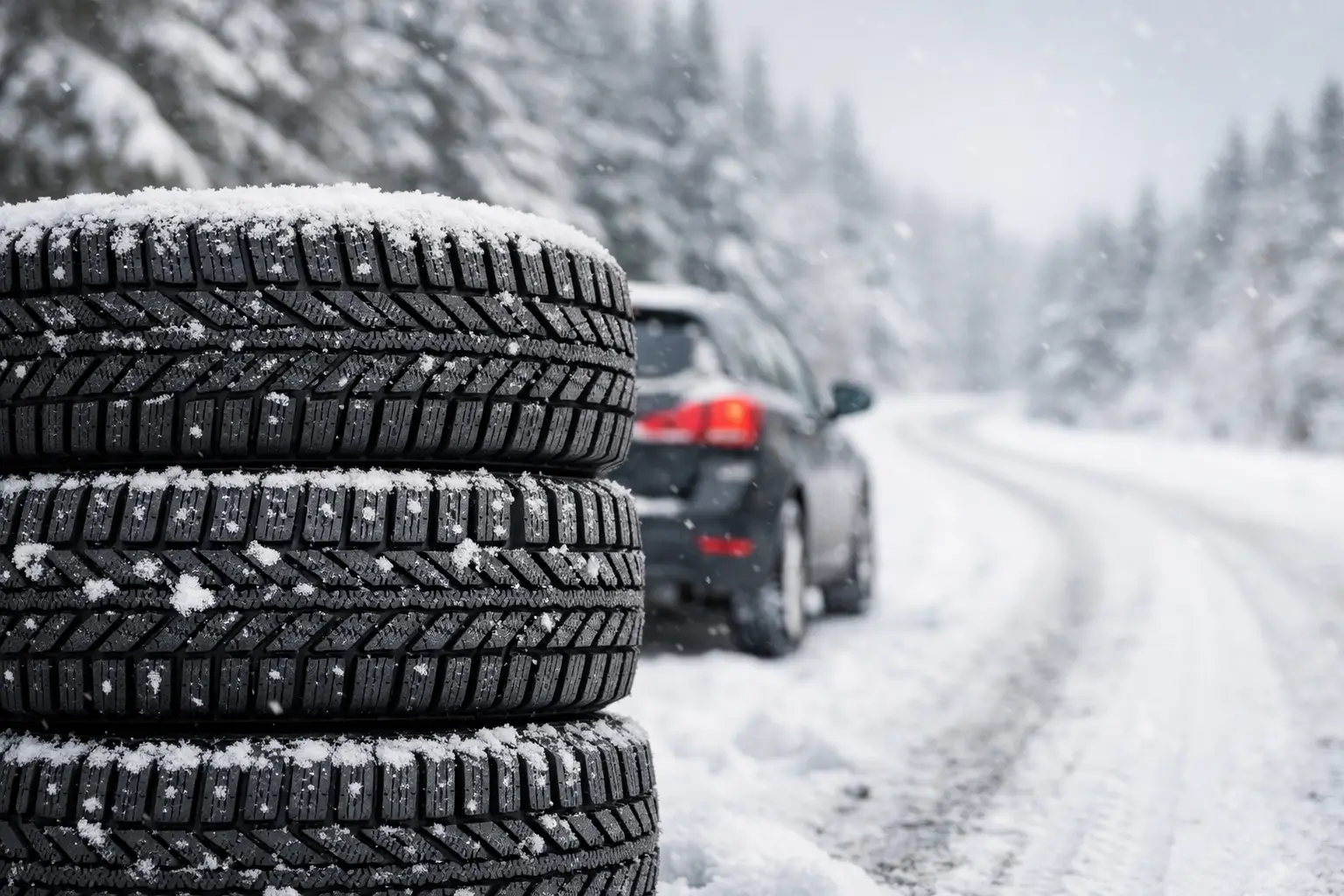
A low tire price can look like a win until the first icy stop sign. The best budget winter tires give everyday drivers meaningful snow and cold-weather grip without paying premium-tire prices, but the right choice still depends on your vehicle, local weather, and tire size. The goal is not to buy the cheapest tire available. It is to buy a winter tire that helps keep your vehicle safe and road-ready when temperatures drop.
What Makes a Budget Winter Tire Worth Buying?
Winter tires use rubber compounds designed to stay flexible in cold conditions. Their tread patterns include deep grooves, dense sipes, and biting edges that help move through snow and maintain traction on packed roads. That is a major advantage over most all-season tires once temperatures are consistently near or below 45 degrees Fahrenheit.
A good value winter tire should carry the Three-Peak Mountain Snowflake symbol. This marking means the tire meets a recognized level of severe-snow traction. It is more meaningful than a basic M+S marking, which is common on many all-season and light-truck tires but does not confirm the same snow-performance standard.
Budget tires do involve trade-offs. They may not offer the quietest highway ride, the shortest ice braking distances, or the longest tread life in the category. Still, a well-chosen value tire can be a smart purchase for commuters, family vehicles, older cars, and drivers who see regular winter weather but do not need the most specialized premium option.
Best Budget Winter Tires to Consider
There is no single best tire for every driver. Availability, size range, vehicle requirements, and the type of winter roads you travel matter. These tire lines are often strong choices to compare when shopping for capable winter traction at a practical price.
General Altimax Arctic 12
The General Altimax Arctic 12 is a solid all-around option for drivers who deal with frequent snow, slush, and cold pavement. Its directional tread is built to evacuate water and slush, while the siping provides additional edges for grip. It is a sensible choice for sedans, minivans, and crossovers where dependable everyday winter control is the priority.
For some sizes, the Arctic 12 can be equipped with studs where local laws allow them. Studs can improve traction on persistent ice, but they add road noise and are unnecessary for many drivers. If your winter driving is mostly plowed suburban roads and wet pavement, the non-studded version is usually the more comfortable fit.
Cooper Evolution Winter
The Cooper Evolution Winter is worth considering for drivers who want a familiar replacement brand with winter-focused design at a moderate price. It is engineered for snow traction and wet winter driving, making it a practical match for commuters who need predictable handling during changing conditions.
This tire is often a good middle ground. It may cost more than the lowest-priced options, but the added confidence of a recognized tire brand and broad service support can make the total value stronger. Check the available load rating and speed rating for your exact vehicle before deciding.
Firestone Winterforce 2
The Firestone Winterforce 2 is a straightforward winter tire for drivers who want strong snow capability without moving into premium pricing. Its aggressive tread design is especially useful in areas that receive repeated snowfall or where side streets may remain packed with snow after a storm.
Ride refinement is not its main selling point. Drivers who spend long hours on dry interstate pavement may prefer a quieter winter tire, while those who prioritize getting out of a snowy driveway and moving confidently through local roads may find its focus well suited to their needs.
Sumitomo Ice Edge
The Sumitomo Ice Edge is often a competitive value option for drivers looking for dedicated winter performance, including available studdable fitments in certain sizes. It uses a directional tread pattern and a cold-weather compound intended to maintain control on snow, slush, and ice.
It can be an especially practical choice when your tire size is expensive across the board. Rather than stepping down to an all-season tire that is not designed for severe cold, compare the Ice Edge with other Three-Peak Mountain Snowflake-rated options in the correct size. The price difference can be smaller than expected.
Laufenn I Fit Ice
The Laufenn I Fit Ice is another value-oriented tire line to compare for passenger cars and crossovers. It is designed around the basics that matter in winter: flexible cold-weather rubber, dense siping, and channels that manage snow and slush.
This type of tire can make sense for drivers with a limited budget who still want a dedicated winter set. As with any less expensive tire, look beyond the initial purchase price. Confirm the warranty terms, road-hazard coverage available from the retailer, and whether your preferred installer can service the tire in the future.
Choose for Your Winter, Not Just the Price Tag
Start with the roads you actually drive. A driver in a city where roads are cleared quickly may need a capable non-studded winter tire with strong wet and slush performance. A driver on rural roads, steep driveways, or unplowed routes may benefit from a more aggressive tread or a studdable design where permitted.
Next, consider your vehicle. A compact front-wheel-drive sedan, an all-wheel-drive crossover, and a half-ton pickup do not use the same tire construction or load rating. All-wheel drive helps a vehicle get moving, but it does not replace the braking and cornering grip that winter tires provide. Every vehicle, including an AWD or 4WD vehicle, relies on four contact patches to stop safely.
Use the tire size shown on your driver-side door placard or in your owner’s manual, then verify the required load index and speed rating. Do not assume a similar-looking size will fit. The wrong tire can affect handling, speedometer accuracy, clearance, and load-carrying ability.
Buy Four Winter Tires, Not Two
Installing winter tires only on the drive axle is a tempting way to reduce the bill, but it can create an uneven traction balance. Two winter tires on the front of a front-wheel-drive vehicle can improve acceleration yet leave the rear tires with less grip, increasing the risk of a rear-end slide. Two on the rear can create the opposite problem: the vehicle may resist spinning, but steering and braking traction at the front are reduced.
A matched set of four winter tires gives your vehicle more predictable braking, cornering, and stability. If your budget is tight, a value winter tire on all four wheels is generally a safer choice than mixing two premium winter tires with two all-season tires.
Factor Installation Into the Real Cost
A tire purchase is only part of the job. Proper mounting, balancing, and fitment checks help prevent vibration, uneven wear, and avoidable handling issues. If you are buying a separate winter set, consider whether dedicated wheels make sense. They cost more up front, but they can simplify seasonal changeovers and reduce repeated mounting and dismounting on the same wheels.
Ask about tire pressure monitoring system service, especially if your vehicle uses sensors inside the wheels. Also plan to check tire pressure regularly through winter. Pressure drops as temperatures fall, and underinflated tires can reduce fuel economy, increase wear, and affect handling.
An alignment check is also worthwhile if your vehicle pulls to one side, your steering wheel is off-center, or your old tires show uneven wear. New winter tires cannot correct an alignment problem, and misalignment can shorten the life of any tire you buy.
When All-Weather Tires May Be the Better Value
Some drivers do not need a separate winter set. All-weather tires carry the Three-Peak Mountain Snowflake symbol and are designed to stay on the vehicle year-round. They can be a practical compromise for areas with occasional snow, moderate cold, and plenty of dry-road driving.
However, all-weather tires are still a compromise. For regular ice, deep snow, mountain travel, or long stretches of subfreezing weather, dedicated winter tires generally provide better cold-weather traction. If your winter driving includes school drop-offs before roads are plowed, early-morning commutes, or weekend trips through snow country, a dedicated set is usually the better safety investment.
The right budget winter tire is the one that fits your vehicle, carries the proper winter rating, and matches the roads you drive most often. Compare your options by size, then have the tires installed and maintained by a qualified service team. When the forecast turns, confidence starts with the four tires beneath you.