A road trip asks more from your tires than a normal week of commuting. Hours of highway heat, changing weather, full cargo loads, and long stretches between stops can expose weaknesses fast. If you are shopping for the best tires for road trips, the right choice is usually not the most aggressive tread or the cheapest option – it is the tire that keeps your vehicle comfortable, stable, and dependable mile after mile.
What makes the best tires for road trips?
For most drivers, the best road trip tire is built around consistency. You want predictable handling at highway speeds, good wet traction when the weather changes, and enough tread life to support long-distance travel without wearing out too quickly. A quiet ride matters too, especially if you are spending six or eight hours in the cabin with family, luggage, or work gear.
That is why all-season touring tires are often the first place to look. They are designed for daily driving, highway comfort, fuel efficiency, and balanced traction across a wide range of conditions. For sedans, crossovers, and many SUVs, this category usually offers the strongest mix of value and road-trip comfort.
Still, it depends on what you drive and where you are going. A compact commuter headed across several states has different tire needs than a pickup towing a small trailer through mountain areas. The best choice starts with your vehicle, your load, and your route.
Best tires for road trips by vehicle and driving needs
For sedans and family cars
If you drive a midsize sedan, compact car, or hybrid, touring all-season tires are usually the safest recommendation. They tend to deliver lower road noise, even treadwear, and stable highway tracking. That means less steering correction, better comfort over long distances, and fewer surprises in summer rain.
Grand touring all-season tires can be a smart upgrade if comfort and refinement matter most to you. They often cost more, but in return you may get better ride quality, stronger wet braking, and a quieter cabin. For a family vacation or a multi-state work trip, those benefits can make a real difference.
For crossovers and SUVs
Crossovers and SUVs put more weight on the tire and often carry more passengers and gear. In this case, look for all-season tires with solid load support, strong wet traction, and good treadwear ratings. Many highway all-season SUV tires are tuned for ride comfort while still offering the stability needed for heavier vehicles.
If your SUV is used mostly on pavement, an aggressive all-terrain tire is usually not the best road-trip option. It may look tougher, but that extra tread can increase road noise, reduce fuel economy, and make the ride feel busier on the highway.
For pickup trucks
For light trucks, the right answer depends on how the truck is used. If most of your trip will be highway driving with light cargo, a highway terrain or all-season truck tire is often the better fit. These tires are generally quieter and more efficient than all-terrain options.
If your road trip includes rough campsites, gravel roads, or uneven surfaces, an all-terrain tire may be worth considering. The trade-off is that some A/T tires are louder and can feel less refined on long highway stretches. For many drivers, a mild all-terrain tire strikes the right balance better than a heavily lugged off-road design.
For EVs
Electric vehicles add another layer. EVs are heavier than many gas-powered vehicles and deliver instant torque, which can wear some tires faster. If you are planning a long drive in an EV, focus on tires built for low rolling resistance, load support, and low noise. Range matters on a road trip, and the wrong tire can work against it.
The features that matter most on long drives
Tread life
A road trip can add a lot of miles in a short time, so treadwear matters. A tire with a longer expected service life can offer better value, especially if you drive often or commute year-round. That said, tread life should not come at the expense of wet grip. A tire that lasts longer but performs poorly in rain is not a smart trade.
Wet traction
Dry highway driving is easy to plan for. Sudden rain is not. Good wet traction helps with braking, lane changes, and overall confidence when conditions shift. This is one of the most important features to prioritize, especially for summer travel in regions where storms can develop quickly.
Ride comfort and noise
Road noise becomes more noticeable the longer you drive. Tires with comfort-focused tread designs and construction can reduce cabin fatigue for both drivers and passengers. On a short commute, the difference may seem minor. Over several hundred miles, it is not.
Heat resistance and stability
Long highway runs create heat, and heat is hard on tires. Proper inflation is critical, but the tire itself also needs to be suited for sustained driving at highway speeds. A quality tire with the right speed rating and load index for your vehicle helps maintain stability when the car is fully packed.
Choosing the right tire category
For most people searching for the best tires for road trips, the short answer is all-season touring tires. They suit a wide range of passenger vehicles, handle changing weather reasonably well, and support a comfortable ride.
Summer tires can work well if you are traveling in consistently warm, dry conditions and want sharper handling, but they are less flexible when temperatures drop or heavy rain becomes part of the trip. Winter tires are the right choice for cold-weather travel, snow, or icy routes, but they are not ideal for warm-weather road trips because they wear faster and feel less precise in heat.
All-weather tires can be a good middle ground for drivers who want stronger cold-weather capability than a standard all-season without switching tires seasonally. If your trip crosses regions with uncertain temperatures, they may be worth a look.
Do not overlook fitment, load, and tire condition
Even a highly rated tire is the wrong choice if it does not match your vehicle requirements. Always confirm the correct tire size, load index, and speed rating for your vehicle. If you travel with extra passengers, pets, cargo, or equipment, load capacity becomes even more important.
This is also a good time to be realistic about your current tires. If the tread is low, the wear is uneven, or the tires are several years old, a road trip can push them past their comfort zone. Replacing worn tires before a long drive is usually cheaper and easier than dealing with a failure far from home.
Service matters as much as the tire itself
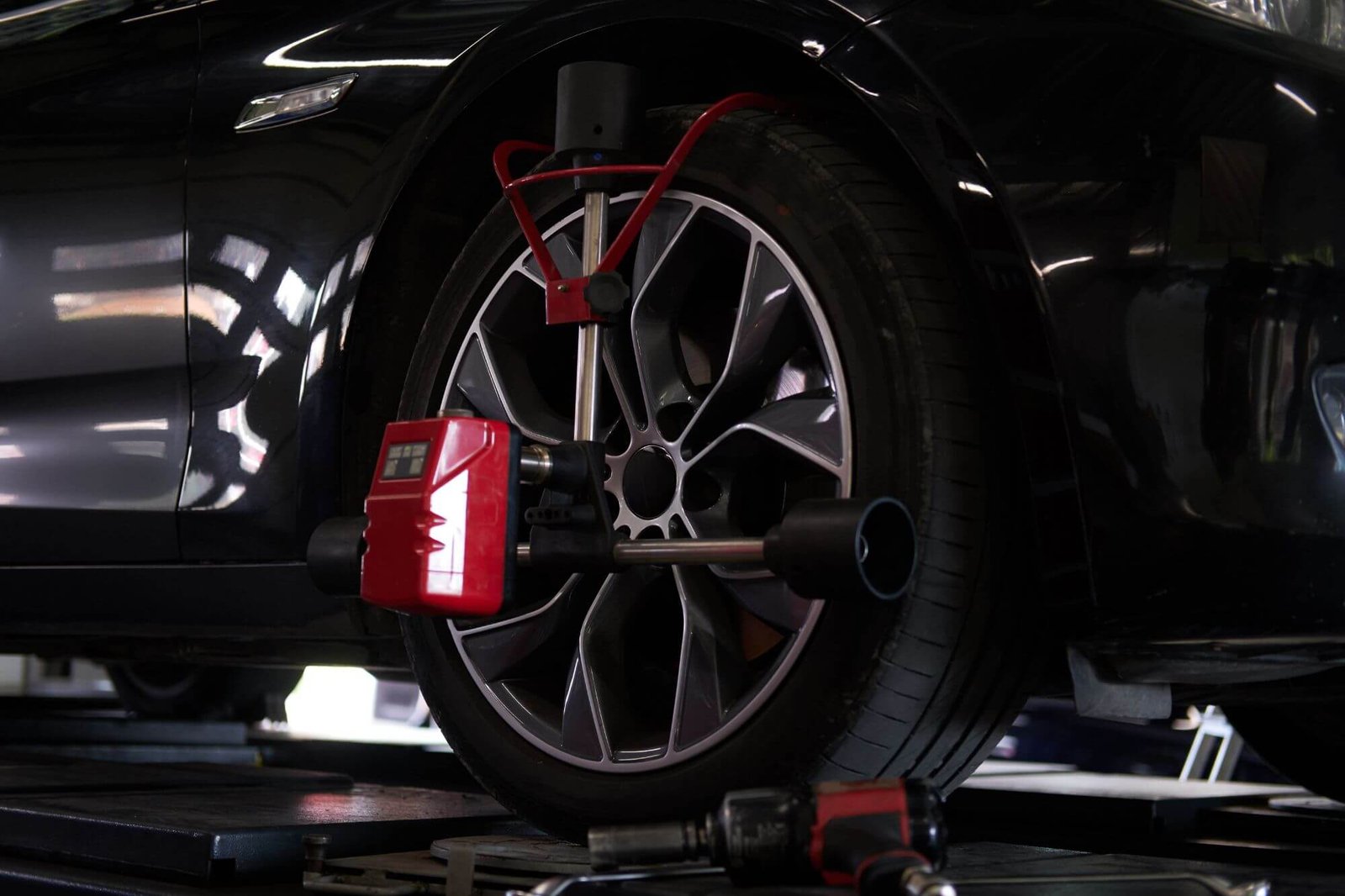
The best road trip tire can still underperform if it is installed or maintained poorly. Balance issues can create vibration at highway speeds. Misalignment can cause uneven wear and reduce stability. Incorrect inflation can increase heat buildup, shorten tire life, and hurt fuel economy.
Before a long trip, it makes sense to have the tires inspected, rotated if needed, and set to the proper pressure. If you are replacing them, professional installation and alignment support help ensure the new set performs the way it should. That is part of what makes a full-service tire provider useful – you can match the right product with the right setup instead of guessing.
A practical way to narrow your options
If you want to simplify the decision, start with three questions. What vehicle are you driving? What weather are you likely to face? How much weight will you carry? Those answers usually point you toward the right category quickly.
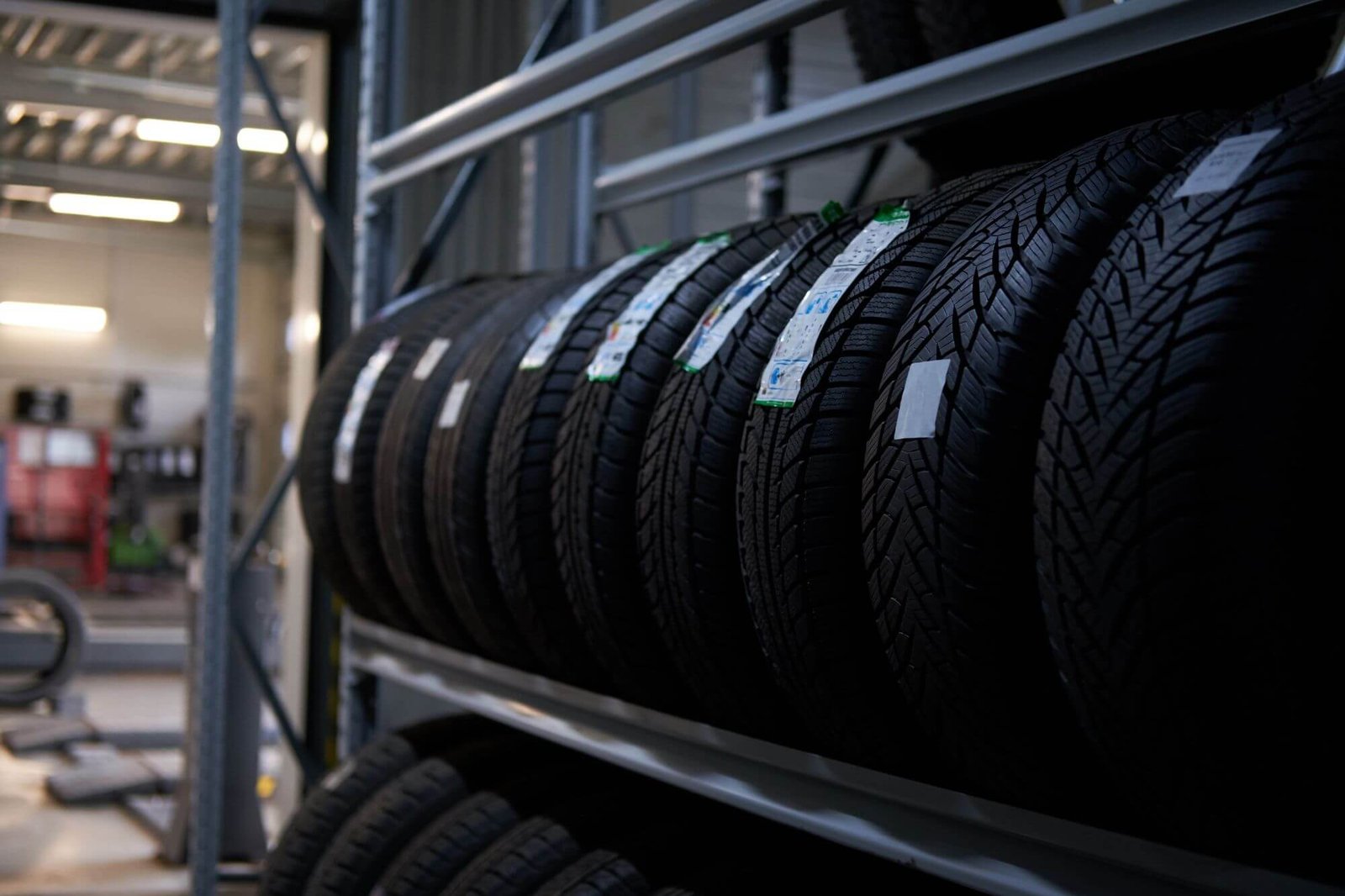
From there, compare options based on comfort, wet traction, tread life, and price. Premium models may offer lower noise and stronger long-term performance, while value-oriented choices can still work well for drivers who want dependable everyday travel without stretching the budget. At Migo Tire Corp., that kind of side-by-side selection is exactly what helps drivers find a tire that fits both the vehicle and the trip.
A good road trip tire should let you think less about the tires and more about the drive ahead. If your vehicle feels planted, comfortable, and ready for changing conditions, you are on the right track.