An EV can feel quiet and effortless right up until its tires are worn, underinflated, or poorly matched to the vehicle. So, do electric cars need special tires? Not always. Many electric vehicles can safely use conventional tires in the correct factory-approved size, load rating, and speed rating. But tires designed with EV needs in mind can offer meaningful advantages in tread life, cabin noise, efficiency, and handling.
The right choice comes down to your vehicle, how you drive, and the weather you face. For daily commuting, family trips, and winter driving, the goal is not simply to buy a tire labeled “EV.” It is to choose a tire that can confidently handle your vehicle’s weight, power delivery, and seasonal conditions.
Why electric vehicles are harder on tires
Electric cars do not use tires in a completely different way than gas vehicles, but several EV characteristics can change how quickly tires wear and how they feel on the road.
First, many EVs are heavier than similar-sized gas-powered vehicles because of their battery packs. More vehicle weight puts more demand on the tire’s construction, especially during braking, cornering, and when the vehicle is fully loaded with passengers or cargo. This is why checking the required load index matters. A tire that fits the wheel physically may still be the wrong choice if it cannot support the vehicle’s specified load capacity.
Second, electric motors deliver torque immediately. That quick acceleration is one of the best parts of EV ownership, but frequent hard launches can wear the tread faster, particularly on the drive wheels. Even a high-quality tire can wear early if it is regularly asked to put full electric-motor torque to the pavement.
Third, EVs are naturally quiet. On a gas vehicle, engine noise can cover up some tire and road noise. In an EV, the sound from the tread, road surface, and air around the tire is far more noticeable. A tire that feels acceptable on another vehicle may seem loud inside an electric car.
Finally, rolling resistance has a direct effect on driving range. Tires that roll more efficiently can help an EV travel farther on a charge, while tires built for aggressive grip, deep tread blocks, or off-road use may reduce range. That does not mean low rolling resistance should always be the top priority. In a Canadian winter, dependable snow and ice traction is often worth more than a small range advantage.
What makes an EV tire different?
EV-specific tires are typically engineered around the demands above. Depending on the model, they may use stronger internal construction for heavier vehicle loads, tread compounds designed to manage instant torque, and patterns intended to reduce road noise. Many also focus on lower rolling resistance to support efficient driving.
The differences are practical rather than dramatic. An EV tire is not a requirement for every electric vehicle owner, and the EV marking alone does not make one tire automatically better than another. It is still essential to compare the tire’s size, load index, speed rating, seasonal capability, and intended use.
Some EV-focused tires use acoustic foam inside the tire to help reduce cavity noise. This can make a noticeable difference in a quiet cabin, but it is not necessary for safety or fitment. It can also affect repair considerations. A qualified tire professional should inspect any puncture and confirm whether a repair is appropriate based on the tire’s condition and manufacturer guidance.
Do electric cars need special tires for everyday driving?
For everyday driving, an electric car does not necessarily need a tire marketed specifically for EVs. A conventional all-season, summer, or winter tire can be a very good fit when it meets or exceeds the vehicle manufacturer’s specifications.
The key is to avoid treating tire size as the only requirement. The numbers on the sidewall tell part of the story, but the load index and speed rating are equally important. Electric vehicles may require a higher load rating than a similarly sized gas vehicle. Replacing the original tires with lower-capacity tires can compromise handling, durability, and safety.
If you are choosing between a standard tire and an EV-specific option, think about what matters most in your driving. An EV-focused tire may be a smart choice if you prioritize a quiet ride, range, and long tread life under frequent commuting. A well-matched conventional tire may make more sense if you need strong wet-weather grip, a particular performance feel, or a winter tire for severe conditions.
For drivers who cover limited annual mileage or lease an EV, the value of a premium EV-specific tire may depend on how long the vehicle will be kept and how much the added efficiency or refinement matters to them. There is no single answer that suits every driver.
Winter tires matter more than an EV label
Electric vehicles can perform very well in winter thanks to their low center of gravity, balanced weight distribution, and precise traction control. Still, no amount of battery weight replaces the grip of a proper winter tire.
All-season tires can work well in mild conditions, but their rubber compounds become firmer as temperatures drop. Winter tires are designed to remain flexible in cold weather and use tread patterns with more biting edges for snow, slush, and ice. That difference helps with stopping, turning, and getting moving on cold roads.
For many drivers in Toronto, the GTA, and other areas with regular winter weather, choosing winter tires based on the vehicle’s correct load requirement is more valuable than focusing only on whether the tire carries an EV label. A winter tire that fits your EV properly can provide far more confidence during the months when road conditions are least predictable.
All-weather tires can be a practical middle ground for some drivers. They are built for year-round use and generally offer better cold-weather capability than typical all-season tires. However, they may not match the snow and ice performance of a dedicated winter tire, and they can wear faster when used through hot summer driving. Your annual mileage, local conditions, and willingness to change tires seasonally should guide the decision.
How to choose the right replacement tires for an EV
Start with the tire placard on the driver’s door area and the information in your owner’s manual. Use those specifications as your baseline for tire size, load index, speed rating, and recommended inflation pressure. If your EV came with staggered tire sizes, make sure the replacement setup preserves the correct front-to-rear fitment unless a qualified professional confirms an approved alternative.
Next, consider your driving conditions. Drivers who mainly travel city streets and highways may appreciate a quiet, efficient touring tire. Those who prioritize spirited handling may prefer a performance-oriented option, understanding that stronger grip can come with faster wear and reduced range. Light truck and electric SUV owners should also consider cargo needs, towing use where approved by the vehicle manufacturer, and the extra demands of rougher roads.
Do not overlook wheel size. Larger wheels with lower-profile tires can sharpen steering response, but they often provide less sidewall protection from potholes and can make the ride firmer. A smaller approved wheel and tire package may offer more comfort, better protection, and a wider selection of winter tire options.
A vehicle- or size-based tire search can narrow the options, but professional fitment support is useful when the choices involve load ratings, staggered sizes, run-flat tires, or seasonal setups. Migo Tire can help drivers match the right tire category and fitment to their EV and driving needs.
Tire care that protects range and tread life
The best EV tire will not perform as intended without routine maintenance. Check inflation pressure at least once a month and before longer trips, using the vehicle manufacturer’s recommended cold pressure. Underinflation increases rolling resistance, can reduce range, and causes extra heat and uneven shoulder wear. Overinflation can reduce the contact patch and make the ride harsher.
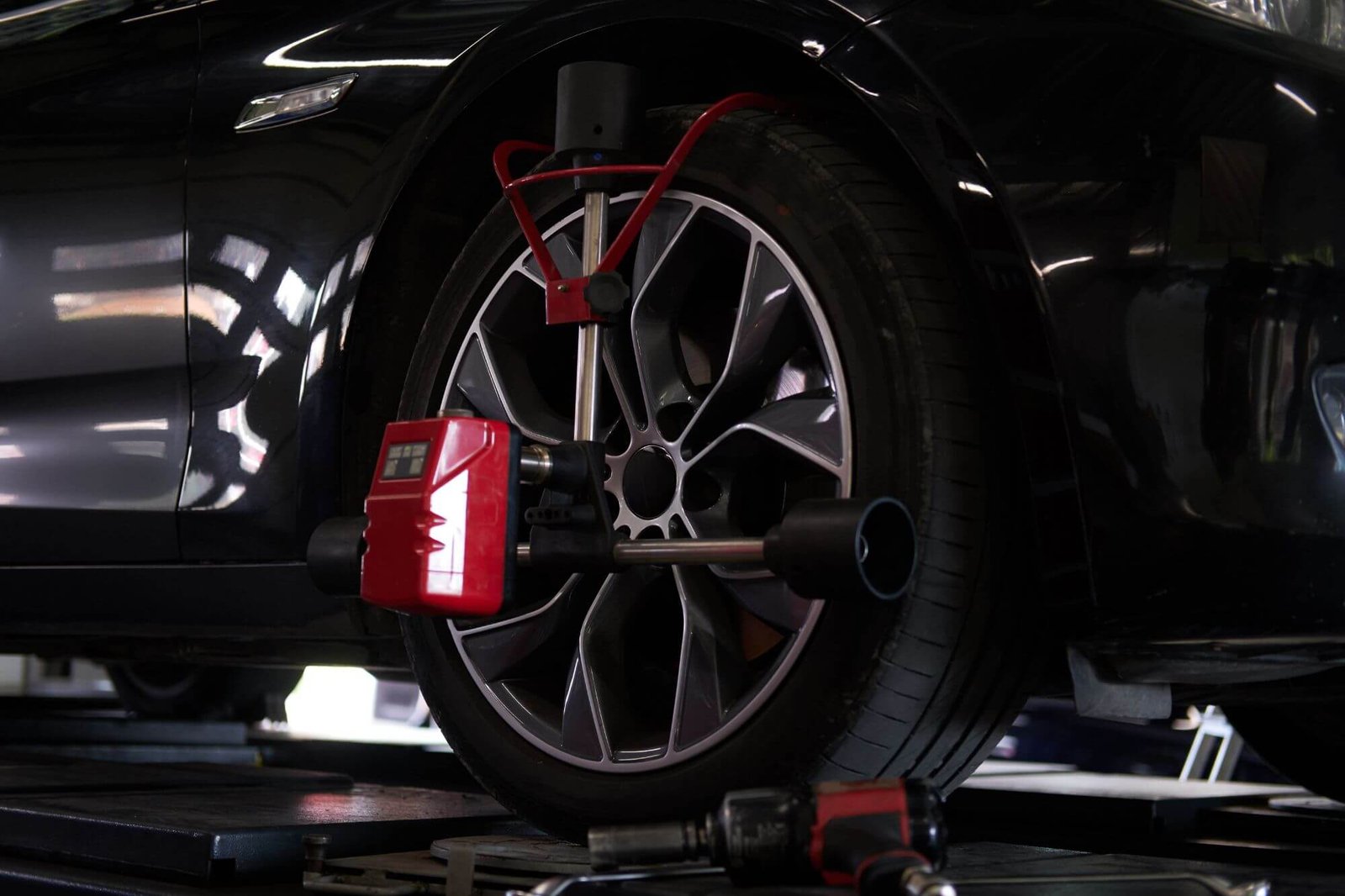
Tire rotation is also especially worthwhile on many EVs because drive-wheel torque can create uneven wear. Follow your vehicle’s recommended rotation intervals and have the tires inspected if you notice vibration, pulling, unusual noise, or faster wear on one edge of the tread. Proper wheel alignment matters too. A small alignment issue can shorten tire life quickly, especially on a heavier vehicle.
When it is time to replace your tires, choose the option that fits how you actually drive, not just the label on the sidewall. The right load capacity, seasonal traction, inflation, and maintenance will do more to keep your electric car safe and road-ready than any single marketing term.