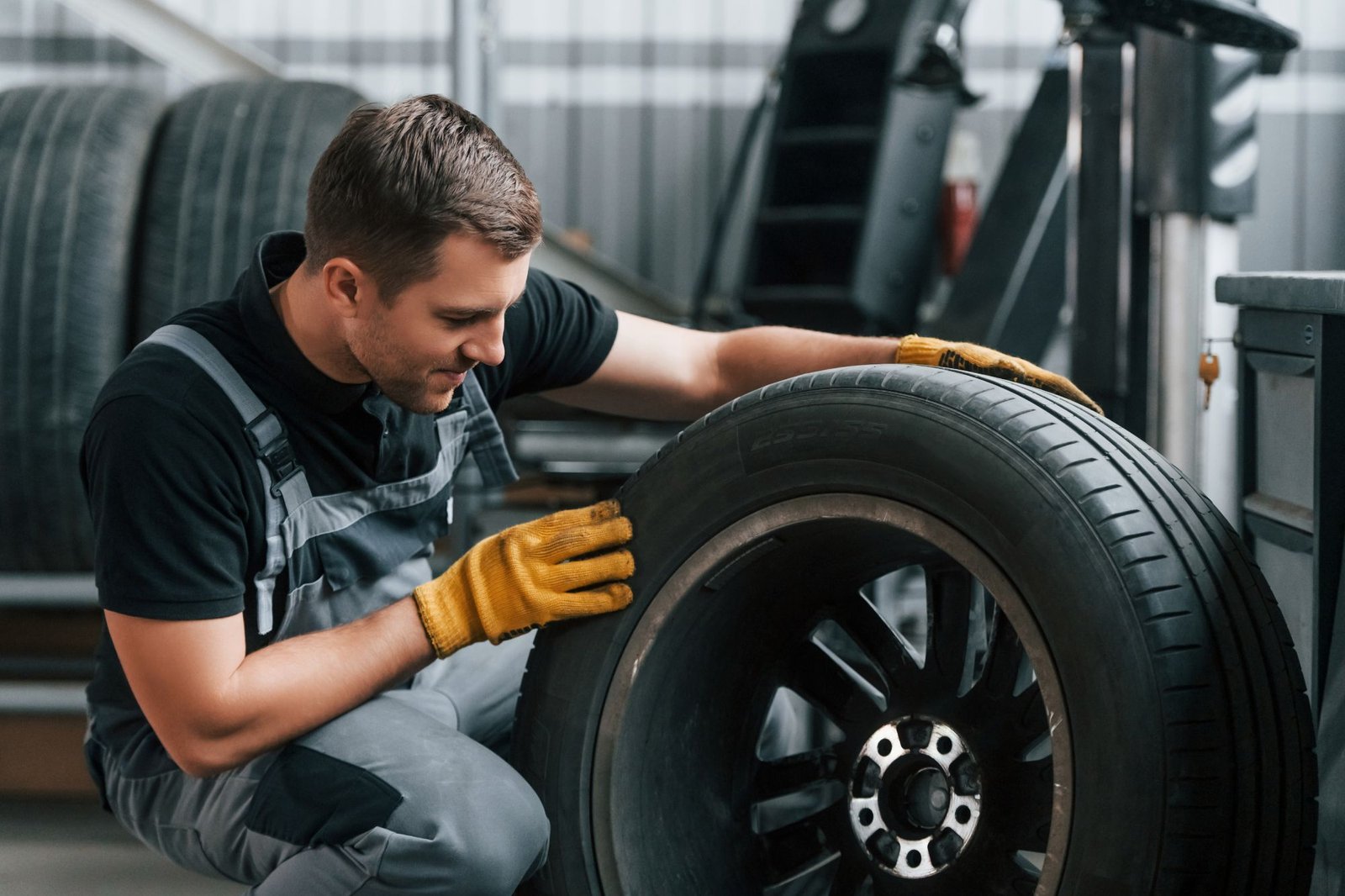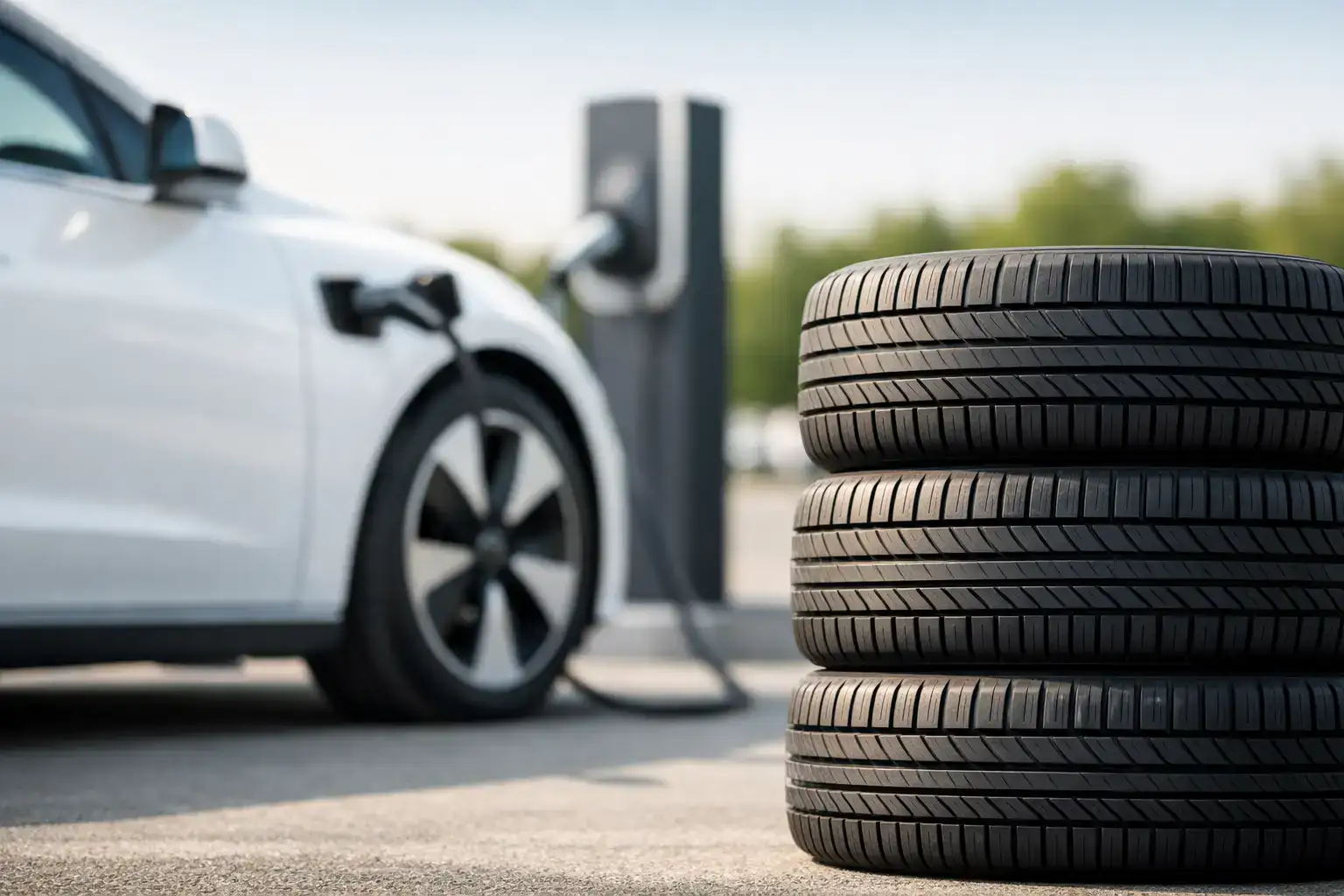
The wrong tire can make a good EV feel louder, harsher, and less efficient than it should. This EV tire buying guide is built for everyday drivers who want a clear path to the right fit without sorting through technical jargon that does not help at the point of purchase.
Electric vehicles ask more from tires than many gas-powered vehicles do. They are often heavier because of the battery pack, they deliver instant torque, and they tend to be quiet enough that road noise becomes much more noticeable. That changes what matters when you shop. A tire that works fine on a similar-size gas vehicle may not be the best match for your EV, your driving habits, or your expectations for comfort and range.
What makes EV tires different?
The biggest difference is the combination of weight and torque. EVs commonly carry more weight than comparable internal combustion models, and that extra load puts more stress on the tire structure. At the same time, quick acceleration can wear tires faster, especially if you drive aggressively or do a lot of stop-and-go commuting.
Noise is another factor. Since EV powertrains are quieter, tire sound stands out more inside the cabin. Many EV-focused tires are designed to reduce road noise through tread design, casing construction, or internal sound-dampening features. That does not mean every EV needs a tire marketed specifically for electric vehicles, but it does mean noise comfort deserves more attention than many shoppers expect.
Rolling resistance also matters. Lower rolling resistance can help support driving range, but there is always a trade-off. A tire built mainly for efficiency may not deliver the same level of cornering feel or wet traction as one tuned more toward grip. Most drivers are best served by balancing efficiency, comfort, tread life, and all-season confidence rather than chasing one number.
EV tire buying guide: start with fitment
Before comparing brands or tread patterns, confirm the correct tire size, load index, and speed rating for your vehicle. This is the foundation of a safe purchase. The tire placard on the driver-side door jamb and your owner’s manual are the best places to start.
For EVs, load capacity deserves close attention. Because these vehicles can be heavier, choosing a tire with the proper load index is not optional. Even if a lower-rated tire appears to match the size, it may not be the right fit for the vehicle’s weight and performance requirements.
You should also check whether your vehicle came with staggered fitment, meaning different tire sizes on the front and rear. Some EVs use this setup, and it affects replacement planning and rotation patterns. If you are unsure, vehicle-based search tools and professional fitment support can save time and help avoid an expensive mistake.
Know what kind of driving you actually do
Most tire problems start before installation, with a mismatch between the tire and the driver. A commuter who wants a quiet highway ride should not shop the same way as someone who values sharp handling or regularly drives in snow.
If your EV is used mainly for errands, commuting, and family travel, a quality all-season touring tire or EV-specific all-season tire is usually the right place to start. These tires aim for a balanced ride with dependable wet and dry traction, reasonable tread life, and lower cabin noise.
If you live in an area with real winter weather, all-season tires may not be enough. EVs still need proper winter traction, and the vehicle’s weight does not replace the need for a winter tire when temperatures drop and roads turn icy. In milder climates, all-weather tires can be a useful middle ground, but in severe winter conditions, a dedicated winter set is still the stronger choice.
Drivers focused on handling may prefer a performance-oriented tire, especially on sport sedans and performance EVs. The trade-off is usually shorter tread life, a firmer ride, and in some cases reduced efficiency. That may be worth it if steering response matters more to you than maximizing range.
The features that matter most
Tread life matters because EVs can wear tires quickly. Instant torque and higher curb weight can shorten replacement intervals, particularly on vehicles that are driven hard. Look for a tire built for durability, but keep expectations realistic. A high-performance EV often goes through tires faster than a more modest commuter model.
Wet traction should be high on your list. EV torque can make it easier to overwhelm traction when pulling away from a stop on wet pavement, so strong all-season grip is a real safety benefit for everyday driving.
Ride comfort and noise are worth paying for if you spend a lot of time on the road. Many shoppers focus on size and price alone, then end up disappointed by a tire that hums loudly on the highway. On an EV, that noise is harder to ignore.
Efficiency also plays a role, especially for drivers who monitor range closely. A tire with lower rolling resistance can help, but the real-world difference depends on the vehicle, climate, road surface, driving speed, and inflation habits. It helps, but it is only one part of the picture.
EV-specific tires vs standard replacement tires
This is where many shoppers get stuck. Do you need an EV-specific tire? Sometimes yes, sometimes no.
If your priorities are low noise, efficiency, and a tire built with EV weight and torque in mind, an EV-focused model can be a strong choice. These tires are often engineered around the exact issues EV drivers notice first: road noise, load support, and tread wear under heavier vehicles.
That said, a standard premium replacement tire can still be the right answer if it matches your vehicle’s size, load, and speed requirements and delivers the driving characteristics you want. The best option depends on your vehicle and your priorities, not just the label on the sidewall.
A practical way to think about it is this: EV-specific tires are often worth considering first, but they are not automatically the only safe or smart choice.
Price matters, but value matters more
It is tempting to shop by upfront cost alone, especially when replacement tires come as a set of four. But a lower-priced tire that wears quickly, rides harshly, or creates more noise may not feel like a bargain for long.
For many households, the better value is a tire that fits the vehicle correctly, performs well in local weather, and holds up under everyday use. That can be a premium brand or a more budget-conscious option, depending on the tire’s construction and intended use. The key is comparing the full package rather than just the sticker price.
Installation and follow-up service are part of that value as well. Proper mounting, balancing, and alignment help tires wear evenly and perform the way they should. If your old tires wore out too fast or unevenly, the problem may not have been the tire alone.
Do not overlook maintenance after the purchase
Even the right tire will disappoint if it is not maintained. EVs benefit from regular tire pressure checks because underinflation can hurt range, increase wear, and affect handling. Pressure should be checked when tires are cold and adjusted to the vehicle manufacturer’s recommendation, not the maximum pressure shown on the tire sidewall.
Rotation is also important, though the schedule may vary by vehicle and tire setup. Because EVs can put heavy demands on the driven axle, regular rotation can help extend tread life when the fitment allows it. If your vehicle uses staggered sizes, rotation options may be limited, which makes alignment and inflation even more important.
Alignment should not be treated as an extra. If the vehicle pulls, the steering wheel is off-center, or you see uneven wear patterns, have it checked. Catching alignment issues early can save a set of tires.
A simpler way to shop the EV tire buying guide
The easiest path is to begin with your vehicle information, narrow choices by season and driving needs, and then compare a few strong options across noise, tread life, traction, and price. That keeps the process practical and helps avoid overbuying or choosing a tire based on one feature alone.
If you want the process to feel less like guesswork, work with a tire provider that can help confirm fitment and handle installation and maintenance in one place. Migo Tire Corp. is built around that kind of support, helping drivers find tires that keep their vehicles safe and road-ready without making the shopping process harder than it needs to be.
The best EV tire is not the one with the most marketing around it. It is the one that fits your vehicle correctly, performs in your real conditions, and makes daily driving feel quiet, stable, and dependable every time you head out.