
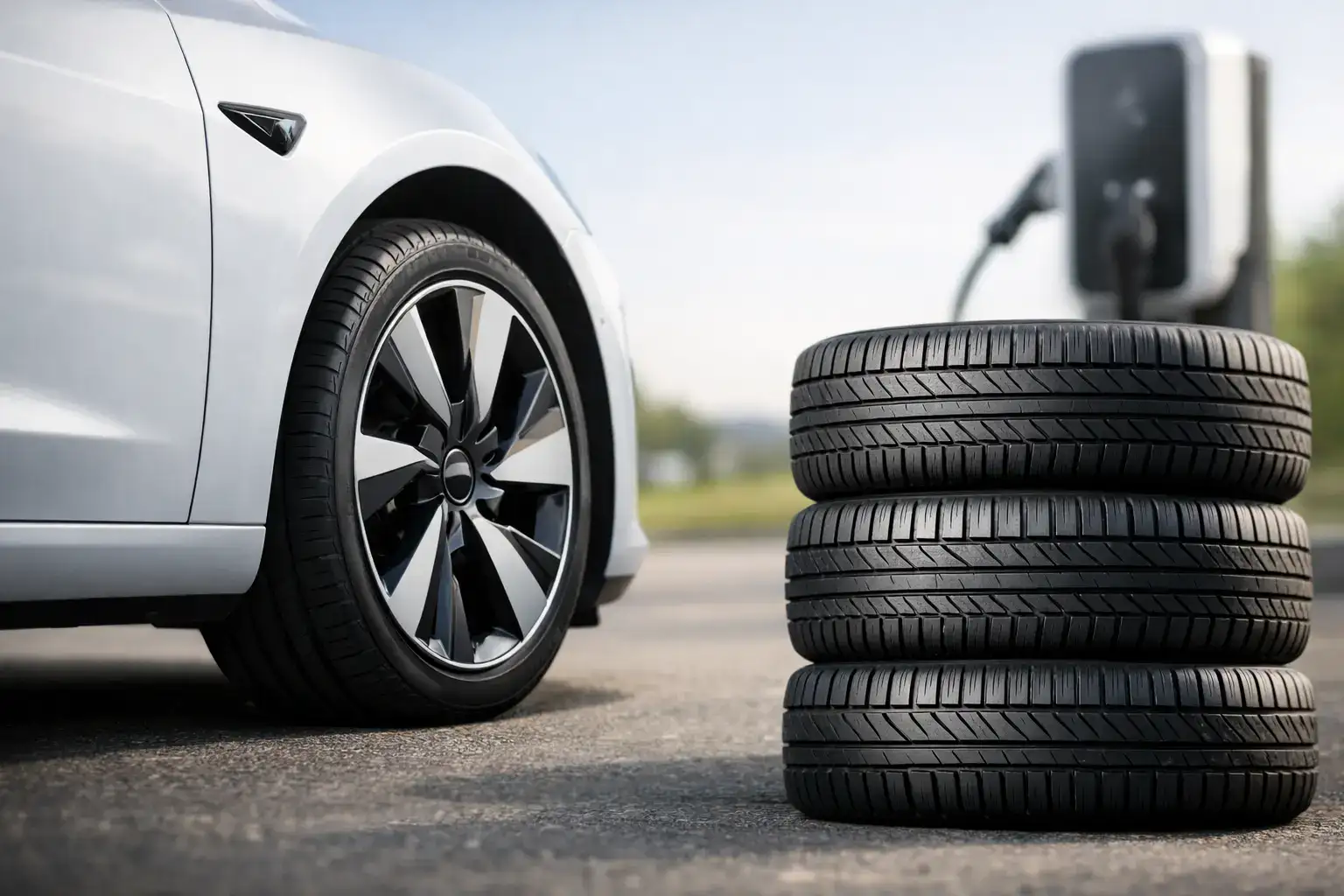
That first tire replacement on an EV can catch drivers off guard. The car feels different from a gas vehicle, the tire options look similar at a glance, and the wrong choice can affect range, road noise, ride quality, and wear. If you are wondering how to choose EV tires, the best place to start is with how and where you actually drive.
EVs put different demands on tires than many drivers expect. Instant torque can wear tread faster, battery weight adds load, and the quiet cabin makes road noise more noticeable. That does not mean every electric vehicle needs a highly specialized tire, but it does mean fitment, load capacity, tread design, and efficiency matter more than they might on a comparable gas-powered model.
Why EV tires are different
An EV tire is not just a regular tire with a new label. In many cases, it is designed or tuned to handle the extra weight of the vehicle, deliver low rolling resistance for better efficiency, and reduce road noise. Some are also built with compounds that can better manage fast acceleration and the added stress that comes with it.
That said, not every tire marketed for EVs is automatically the best option for your vehicle. Some drivers care most about extending range. Others want stronger wet traction, better winter control, or a quieter commute. The right choice depends on your priorities, not just the category name on the sidewall.
How to choose EV tires without overcomplicating it
The simplest way to choose well is to balance five things: correct size, proper load rating, seasonal needs, efficiency, and driving comfort. If one of those gets ignored, the tire may still fit your wheel, but it may not perform the way your EV needs it to.
Start with the exact size and fitment
Always begin with the tire size recommended for your vehicle. You can find it on the driver-side door placard or in the owner’s manual. This includes width, aspect ratio, wheel diameter, and often the load index and speed rating.
On EVs, those extra numbers matter. Because electric vehicles are often heavier than similar gas models, choosing the correct load index is especially important. A tire in the right size but with insufficient load capacity is not a good substitute. It can affect handling, wear, and overall safety.
If your EV came with staggered fitment, larger wheels, or a specific original equipment setup, match that carefully unless a qualified tire professional recommends an approved alternative.
Pay close attention to load rating
This is one of the most overlooked parts of EV tire shopping. Battery packs add substantial weight, and your tires need to support that load safely under normal driving, cargo weight, and passenger use.
A lower-priced tire may look like a match because the size is correct, but if the load index falls short, it is the wrong tire. For families, commuters carrying passengers, or drivers using crossovers and electric trucks, this becomes even more important.
Think about your real driving conditions
Many EV owners shop by technology first and weather second. That is backward. The best tire for your EV still has to match the climate and road conditions you deal with every week.
If you drive mostly in moderate conditions year-round, all-season tires may be the most practical choice. They give balanced performance, reasonable tread life, and everyday convenience. If you live where winters bring freezing temperatures, snow, or ice, winter tires are still the better answer when the season changes. If your area gets mixed cold-weather conditions but you want one set for year-round use, all-weather tires may be worth considering.
Summer tires can make sense for drivers who prioritize handling and warm-weather grip, but there is a trade-off. They usually do not perform well in cold temperatures and may wear faster depending on the vehicle and driving style.
Range matters, but it is not the only goal
A lot of shoppers looking into how to choose EV tires focus on efficiency first. That makes sense. Tire design can affect rolling resistance, and rolling resistance can affect range. But the most efficient tire is not always the best overall tire for every driver.
A low rolling resistance tire may help support battery range, especially for commuters and highway drivers. At the same time, some ultra-efficiency-focused options may involve trade-offs in tread life, wet traction, or road feel depending on the model. The difference in real-world range can also vary based on speed, temperature, driving habits, and inflation pressure.
If your daily routine leaves very little margin on battery range, efficiency should move higher on your list. If you charge easily at home or work and care more about wet braking or comfort, you may be better served by a tire that gives up a small amount of efficiency for stronger all-around performance.
Road noise and ride comfort are easier to notice in an EV
Electric vehicles tend to be quieter than gas vehicles, so tire noise stands out more. A tread pattern that might seem normal on another vehicle can sound much louder inside an EV cabin.
This is one reason many EV-focused tires are designed with noise reduction in mind. Some use tread designs or internal foam to cut cabin noise. These features can make a real difference, especially for highway commuters. Still, quieter tires are not always the longest-lasting or least expensive options, so it comes down to what matters most in your daily drive.
If comfort is a priority, it also helps to consider wheel size. Larger wheels with lower-profile tires may look sharper, but they often ride firmer and can be more vulnerable to damage from potholes. Depending on your vehicle’s approved fitments, a more comfort-oriented setup may improve everyday driving.
Tread life on EVs can vary more than expected
Some EV drivers are surprised when tires wear faster than they expected. Instant torque and vehicle weight are the main reasons. Driving style matters too. Quick launches and aggressive cornering will shorten tire life, even on a well-designed EV tire.
That does not mean you should only shop for the highest treadwear number you can find. A harder compound may last longer, but it can also change traction and ride quality. The better approach is to choose a tire with a balanced reputation for tread life, then protect that investment with rotation, alignment checks, and proper inflation.
Uneven wear is often a service issue as much as a tire issue. On EVs, staying on top of rotations and alignment is especially worthwhile because replacements are not cheap and the vehicle depends heavily on tire performance.
Check for EV-specific design, but do not shop by label alone
You will see some tires clearly marketed for electric vehicles and others that are simply suitable for them. Both can be valid choices. An EV-specific tire may offer benefits in noise, efficiency, or load handling, but the label itself is not a guarantee of better performance for your needs.
What matters more is whether the tire matches your vehicle specifications and your priorities. A quality all-season tire with the right load index and strong wet traction may be a smarter choice for one driver than an EV-branded tire focused heavily on efficiency.
This is where a broad selection helps. Comparing premium and value-oriented options side by side makes it easier to choose based on performance and fit, not just branding.
A practical way to narrow your options
If you want a simple filter, start by asking four questions. Do you need maximum efficiency for range, the best all-weather confidence, the quietest ride, or the strongest value? Most drivers will care about all four to some degree, but one or two usually lead the decision.
From there, narrow by exact size and required load rating. Then compare category, expected comfort, and tread life. If two tires seem close, your driving mix can break the tie. Highway commuters may lean toward quiet and efficient. City drivers dealing with rough pavement may prioritize durability and comfort. Drivers in rainy regions may put wet traction first.
If you are not sure, this is a good time to ask for help rather than guessing. A good tire recommendation should account for your vehicle, your mileage, your weather, and whether you want a premium tire or a more budget-conscious option.
Installation and maintenance matter just as much as the tire itself
Even the right tire can disappoint if it is installed or maintained poorly. Proper balancing helps with ride quality. Alignment protects tread life. Correct inflation supports handling, efficiency, and even wear.
For EV owners, these basics are not small details. They are part of getting the performance you paid for. Buying from a tire retailer that can also handle installation, balancing, repair, and ongoing maintenance makes the process simpler and more reliable.
At Migo Tire Corp., that is the goal: help drivers find tires that fit the vehicle and the way it is used, then help keep those tires safe and road-ready.
The right EV tire is not the one with the loudest marketing claim. It is the one that fits your vehicle correctly, handles your daily conditions with confidence, and supports the way you want your car to feel every time you drive it.


