A low tire price can feel like a win right up until wet roads, highway noise, or early replacement costs start to show up. When drivers compare premium vs budget tires, the real question is not just what costs less today. It is what fits your vehicle, your driving habits, and the level of confidence you want every time you head out.
For some drivers, a budget tire is a practical choice that covers basic daily use without stretching the household budget. For others, spending more on a premium tire makes sense because they drive longer distances, carry family regularly, or want stronger wet traction and longer tread life. There is no one-size-fits-all answer, but there are clear differences worth understanding before you buy.
Premium vs budget tires: the core difference
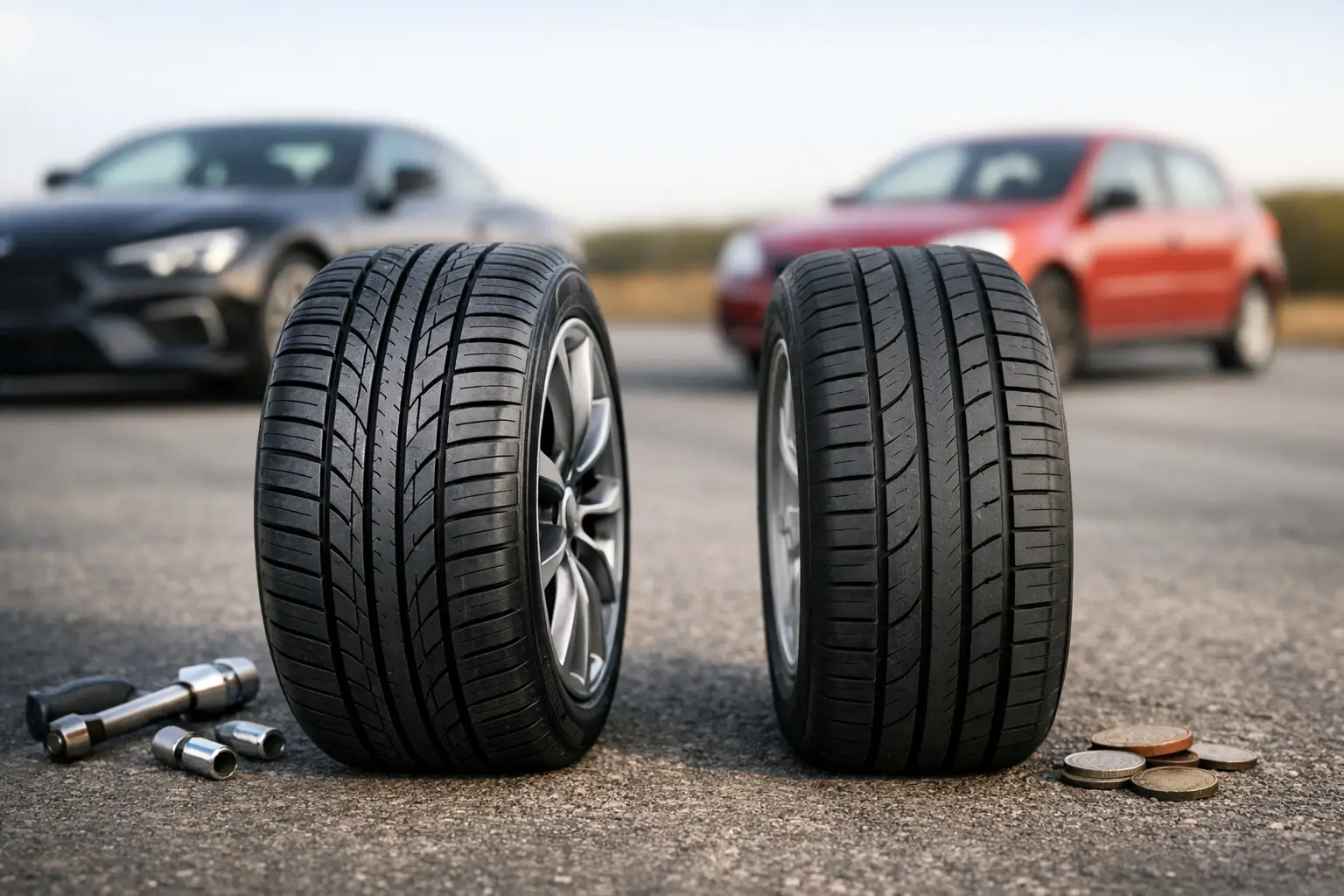
The gap between premium and budget tires usually comes down to engineering, materials, testing, and consistency. Premium tire brands tend to invest more in tread design, rubber compounds, road testing, noise control, and performance across a wider range of conditions. That often translates into stronger braking, better wet handling, quieter ride quality, and more predictable wear.
Budget tires are built to meet a lower price point. That does not automatically make them unsafe or unsuitable. Many value-focused options work well for everyday commuting and moderate driving. The trade-off is that they may not deliver the same level of grip, ride comfort, tread life, or performance consistency as a premium option, especially in heavy rain, extreme heat, light snow, or long highway use.
In simple terms, premium tires often aim to give you more margin. Budget tires often aim to meet the basics at a lower upfront cost.
What you are paying for with premium tires
When a premium tire costs more, part of that price reflects the work behind it. Better compounds can help the tire stay flexible in changing temperatures while still resisting wear. More advanced tread patterns can improve water evacuation, reduce road noise, and support better cornering stability.
That matters most in situations where traction and control are tested. Emergency braking on a wet road is a good example. So is merging at highway speed, driving through standing water, or taking long commutes in changing weather. A premium tire may not turn a poor driver into a safe one, but it can provide more dependable performance when conditions are less than ideal.
Premium tires also tend to be more refined. Drivers often notice a smoother ride, less cabin noise, and better steering response. If you drive a newer sedan, SUV, crossover, truck, or EV, that difference may be easier to feel than you expect.
Where budget tires make sense
Budget tires can be a smart choice when your driving needs are straightforward and your expectations are realistic. If you mostly drive short local routes, avoid severe weather, and put limited annual mileage on your vehicle, a lower-cost tire may cover what you need without paying for performance features you may never use.
They can also make sense on an older vehicle where the goal is safe, practical transportation rather than premium ride quality. The same goes for drivers managing a tight replacement budget who still need to get back on the road quickly.
That said, budget tires are not all equal. Some deliver solid value for the price, while others wear faster, feel louder, or struggle more in wet conditions. This is where fitment, category, and brand reputation matter. A well-chosen value tire is very different from simply buying the cheapest option available.
Safety is where the difference often matters most
If there is one area where premium vs budget tires deserves serious attention, it is safety. Tires affect braking, handling, and stability every time you drive. Those differences may be small in normal conditions, but they become much more noticeable in an emergency.
Wet traction is a common dividing line. Premium tires often do a better job clearing water and maintaining grip on slick pavement. That can reduce stopping distance and help your vehicle feel more controlled in the rain. In dry conditions, both premium and budget tires may feel acceptable during regular driving, but the gap can widen under sudden braking or quick steering corrections.
For families, commuters, and drivers who spend a lot of time on highways, that extra margin can be worth the added cost. If your vehicle sees frequent passengers, school drop-offs, or long-distance travel, tire quality becomes part of your overall safety plan.
Tread life and total cost are not the same thing
A lower purchase price does not always mean lower ownership cost. This is one of the biggest misunderstandings in tire shopping.
Some premium tires last significantly longer than budget options, which can narrow the price gap over time. If one set costs more up front but delivers better wear, more even performance, and fewer compromises along the way, it may offer stronger long-term value. That is especially true for higher-mileage drivers.
On the other hand, if you drive very little each year, you may never fully use that extra tread life before age becomes a factor. In that case, paying more for maximum longevity may not be necessary. The better value depends on how long you keep the vehicle, how many miles you drive, and the conditions you drive in.
Installation, balancing, alignment, and ongoing rotation also affect tire life. Even a premium tire can wear poorly if the vehicle is out of alignment or the tires are not maintained. A good tire choice works best when it is paired with proper service.
Ride comfort, noise, and everyday feel
Not every difference between tire types shows up on a spec sheet. Some of it shows up in how your vehicle feels on the road each day.
Premium tires often deliver a quieter, more controlled ride. That can make a real difference for commuters, families, and drivers who spend a lot of time on highways. Less road noise, fewer harsh impacts over rough pavement, and steadier handling can reduce fatigue on longer trips.
Budget tires may still perform the basic job well, but they sometimes produce more road noise or feel less composed over bumps and uneven pavement. For some drivers, that is not a major concern. For others, especially in newer vehicles with otherwise refined ride quality, it becomes noticeable fast.
Choosing the right tire for your vehicle type
Your vehicle matters just as much as your budget. A compact car used for short city commutes may be fine on a quality value-oriented all-season tire. A family SUV used for road trips may benefit more from a premium tire with stronger wet handling and comfort. A light truck used for hauling, job sites, or mixed-road driving may need durability and load capability that should not be compromised just to save money.
EV owners should be especially careful. Electric vehicles are heavier, produce instant torque, and can be more sensitive to tire noise and rolling resistance. In many cases, a premium or EV-specific tire is a better fit because it is designed to manage those demands.
Season matters too. If you live where winter weather is a real factor, tire category becomes more important than price alone. A proper winter tire, even at a modest price point, is often a better safety decision than a premium all-season tire trying to handle snow and ice.
How to decide between premium and budget tires
Start with your actual driving pattern, not just the sticker price. Think about how many miles you drive, whether you spend time on highways, how often you drive in rain or light snow, and what you expect from your vehicle in terms of comfort and handling.
If you want maximum confidence, better refinement, and stronger performance over time, premium tires are often the better investment. If your driving is lighter, your vehicle is older, or your budget is tight, a well-selected budget tire can still be the right answer.
The key is to avoid buying too little tire for the job. Tires are one of the few parts of your vehicle that affect every mile, every stop, and every turn. That is why many drivers benefit from comparing options by vehicle, size, category, and intended use instead of price alone.
At Migo Tire Corp., the goal is to make that process easier by helping drivers match the right tire to the way they actually drive, then support that purchase with installation and ongoing tire care.
A good tire decision should leave you feeling confident, not uncertain. The best choice is the one that keeps your vehicle safe and road-ready without paying for more or less than you truly need.