
A tire’s speed rating is easy to overlook until you are comparing two otherwise similar options. If you searched for speed rating explained tires, the short answer is this: the letter on the sidewall indicates the maximum speed the tire can handle under standardized test conditions. It also gives useful clues about the tire’s intended performance, ride, and heat resistance.
For everyday driving, the goal is not to choose the highest letter available. It is to choose tires that match your vehicle’s requirements and the way you actually drive, so your vehicle stays safe and road-ready.
What a tire speed rating means
The speed rating is a letter found near the end of your tire size information. For example, a tire marked 225/65R17 102H has an H speed rating. The number before the letter, 102 in this example, is the load index. These two markings work together, but they mean different things.
A speed rating reflects how well a tire can manage heat at speed while carrying an approved load in controlled testing. Heat is one of a tire’s biggest enemies. As speed rises, the tire flexes more often and builds more heat. A properly rated tire is designed to handle that stress within its stated limit.
This rating is not a recommended cruising speed, and it is never permission to drive beyond posted limits or conditions. Weather, road surface, tire pressure, vehicle load, tread wear, and damage can all reduce a tire’s real-world capability.
Speed rating explained: common tire letters
Most passenger vehicles use one of several common speed ratings. The following maximum speeds are shown in miles per hour:
| Speed rating | Maximum tested speed | Common applications | |—|—:|—| | Q | 99 mph | Some winter and specialty tires | | R | 106 mph | Certain light truck and passenger tires | | S | 112 mph | Everyday passenger vehicles | | T | 118 mph | Sedans, minivans, and crossovers | | H | 130 mph | Touring, performance, and many crossover tires | | V | 149 mph | Sport sedans, performance SUVs, and EVs | | W | 168 mph | Higher-performance vehicles | | Y | 186 mph | High-performance vehicles |
You may also see ZR in a tire size, such as 245/40ZR18. This traditionally indicated a tire rated for speeds above 149 mph. On modern tires, check the final service description for the specific rating, such as W or Y, rather than relying on ZR alone.
For most commuters and family vehicles, S, T, or H ratings are common. A higher rating can offer sharper steering response and better high-speed stability, but it may also come with trade-offs in ride comfort, tread life, and cost. The right choice depends on the vehicle and the tire category, not simply on which letter is highest.
Where to find the speed rating on your tire
Look on the sidewall after the tire size. A typical marking may read 215/55R17 94V. Here is how to read the last part:
- 94 is the load index, which indicates how much weight the tire can carry.
- V is the speed rating.
You can also find the original tire specification on the driver’s door-jamb placard, in the owner’s manual, or through your vehicle manufacturer’s tire information. The door placard is especially useful because it shows the recommended tire size and inflation pressure for your specific vehicle.
Do not confuse the speed rating with the maximum speed shown on your speedometer. Your vehicle’s capability depends on far more than its tires, including brakes, suspension, drivetrain, aerodynamics, and electronic controls.
Why the correct rating matters
Using the correct speed rating supports predictable handling, braking, and heat management. Tires with mismatched ratings can make a vehicle feel inconsistent, especially during emergency maneuvers or on wet roads.
Vehicle manufacturers select a rating to suit the vehicle’s weight, suspension design, performance characteristics, and original equipment. Replacing a V-rated tire with a lower-rated option simply because it fits physically may change the way the vehicle responds. It can also be unsuitable for the vehicle’s intended operating conditions.
There is another practical reason to pay attention: tires should generally be matched across an axle. If the front pair and rear pair have different speed ratings, the vehicle may react differently at the front and rear during turns, braking, or sudden lane changes. When replacing one or two tires, match the existing tire specifications as closely as possible and ask a qualified tire professional if you are unsure.
Can you choose a higher speed rating?
In many cases, choosing a tire with a higher speed rating than the original specification is acceptable when the tire size, load capacity, and other fitment requirements are correct. Some drivers prefer the more responsive feel of a higher-rated touring or performance tire.
Still, higher is not automatically better. A higher-rated tire may have a firmer ride, different winter behavior, or shorter expected tread life depending on its design. It may also be a poor fit for a vehicle that spends most of its time carrying passengers, hauling equipment, or driving on rough roads.
The best approach is to start with the vehicle manufacturer’s recommendation, then choose based on your priorities. A daily commuter may benefit most from a quiet, long-wearing all-season tire. A performance sedan may need the response and stability of its original H, V, W, or Y rating. A light truck may need to prioritize load range, durability, and traction along with its speed rating.
What about winter tires?
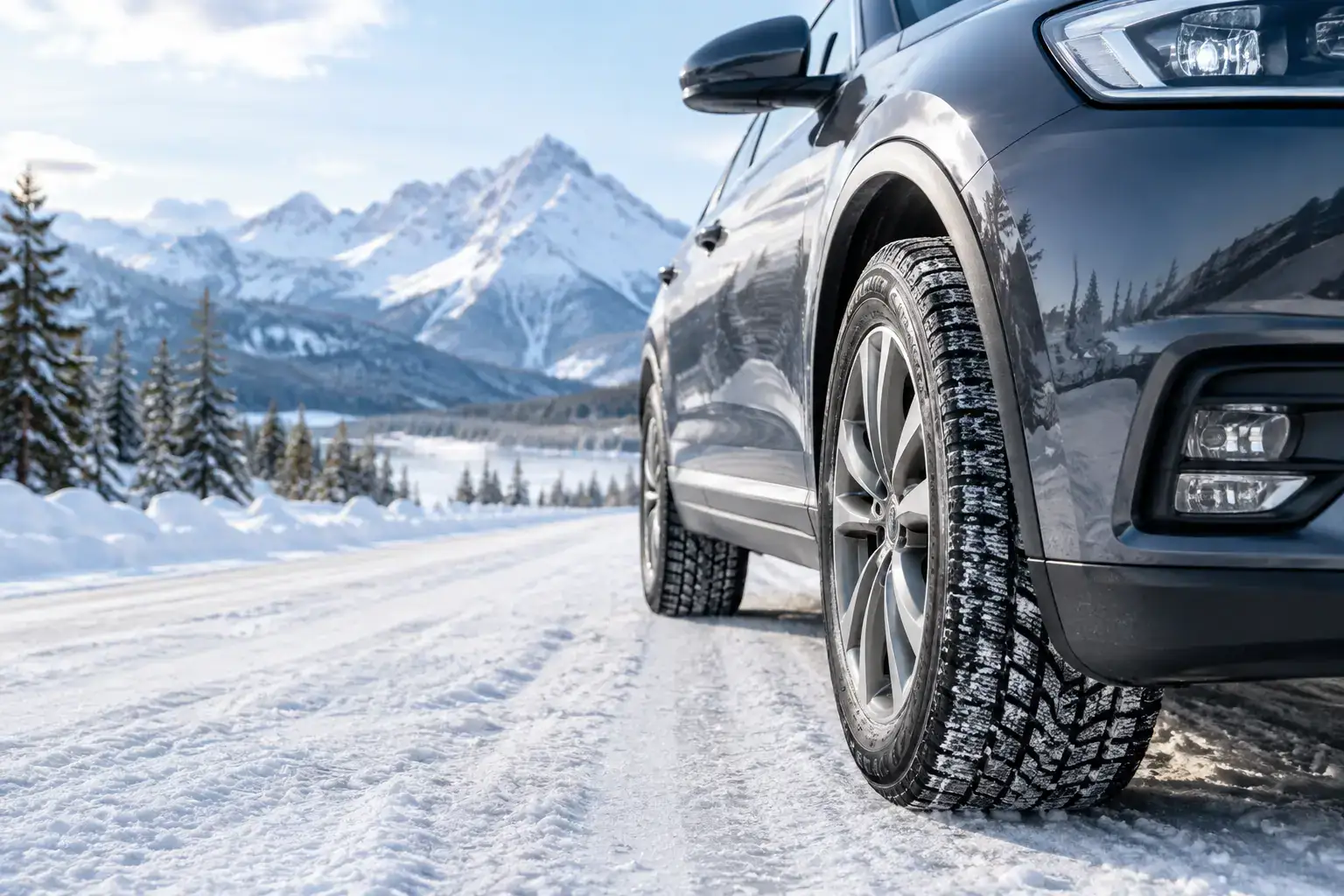
Winter tires sometimes carry a lower speed rating than the all-season or summer tires originally fitted to the vehicle. That can be normal because winter compounds and tread designs are built to remain flexible and provide grip in cold, snowy, and slushy conditions.
The key is to use a winter tire specification appropriate for your vehicle and follow the tire manufacturer’s guidance. A lower-rated winter tire is not a reason to change driving habits. Cold temperatures, reduced visibility, snow, ice, and wet pavement all require more space and lower speeds.
If you change tires seasonally, make sure the full set matches in size and type. Keeping four matching winter tires helps maintain balanced traction and predictable control.
Speed rating is not the same as load index
A tire can have the right speed rating and still be wrong for your vehicle if its load index is too low. The load index tells you how much weight each tire can support when properly inflated. This matters for SUVs, pickups, EVs, vehicles carrying families and cargo, and anyone towing within their vehicle’s rated capability.
Never choose a replacement tire with a lower load capacity than your vehicle requires. EV owners should pay particular attention because battery weight can increase the load placed on tires, while instant torque can accelerate tread wear. The right tire should meet the required load index, have a suitable speed rating, and suit the vehicle’s intended use.
A practical way to choose the right tire
Before comparing brands or tread patterns, confirm your vehicle’s recommended tire size, load index, and speed rating. Then think about where and how you drive. Highway commuters may value low road noise and stable wet handling. Drivers facing real winter conditions need winter capability. Light truck owners may need stronger construction for cargo, towing, or mixed surfaces.
Check your current tires as well. Uneven tread wear, vibration, pulling to one side, or frequent pressure loss can point to issues that a new tire alone may not solve. Proper inflation, balancing, rotation, and alignment help your tires perform as intended throughout their service life.
When the letters and numbers on a sidewall feel like a different language, bring your vehicle details to a tire professional. A quick fitment check can help you find tires that match your vehicle, your driving conditions, and the confidence you want every time you head out.


