A tire that wears out early is more than an inconvenience. It can affect wet-weather grip, braking, fuel use, ride comfort, and the amount you spend replacing tires. If you are asking, why are my tires wearing out, the answer is often visible right on the tread. The pattern of wear can point to a pressure issue, alignment problem, worn vehicle parts, or a maintenance routine that needs attention.
Tires are designed to wear gradually and evenly across the tread. When one area is disappearing faster than the rest, treat it as useful information. A quick inspection now may help you protect the tires you have and avoid a bigger repair later.
Why Are My Tires Wearing Unevenly?
Uneven tire wear is usually caused by the way the tire meets the road. Properly inflated, balanced, and aligned tires spread the vehicle’s weight across the full tread. When something changes that contact patch, one section of the tire works harder than it should.
The most common tread patterns are easy to recognize:
- Wear in the center of the tread usually means overinflation. Too much air makes the center of the tire bulge slightly, carrying more of the vehicle’s load than the outer edges.
- Wear on both outside edges often points to underinflation. A low tire flexes more and rides on its shoulders, creating heat and faster edge wear.
- Wear on one inner or outer edge commonly suggests an alignment issue, although worn suspension parts can create a similar pattern.
- Cupping or scalloped dips around the tread may indicate wheel-balance problems, weak shocks or struts, or looseness in steering and suspension components.
A tire can have more than one issue at a time. For example, an underinflated tire on a vehicle with poor alignment may wear quickly across both the shoulder and one edge. That is why an inspection should look beyond the tire itself.
Incorrect Tire Pressure
Tire pressure is one of the simplest things to check and one of the most common reasons for premature wear. Pressure naturally drops as temperatures fall, which is especially relevant during Canadian winter weather. A tire can look normal and still be several PSI below the recommended setting.
Check pressure when the tires are cold, ideally before driving or after the vehicle has been parked for several hours. Use the pressure listed on the driver-side door placard, not the maximum pressure molded into the tire sidewall. That sidewall number is a tire limit, not the right operating pressure for every vehicle.
Overinflation and underinflation both reduce the tire’s usable life. Low pressure also causes excess heat buildup, which can damage the tire internally. If one tire repeatedly loses pressure, have it checked for a puncture, damaged valve stem, or wheel-sealing issue instead of simply adding air every week.
Wheel Alignment Problems
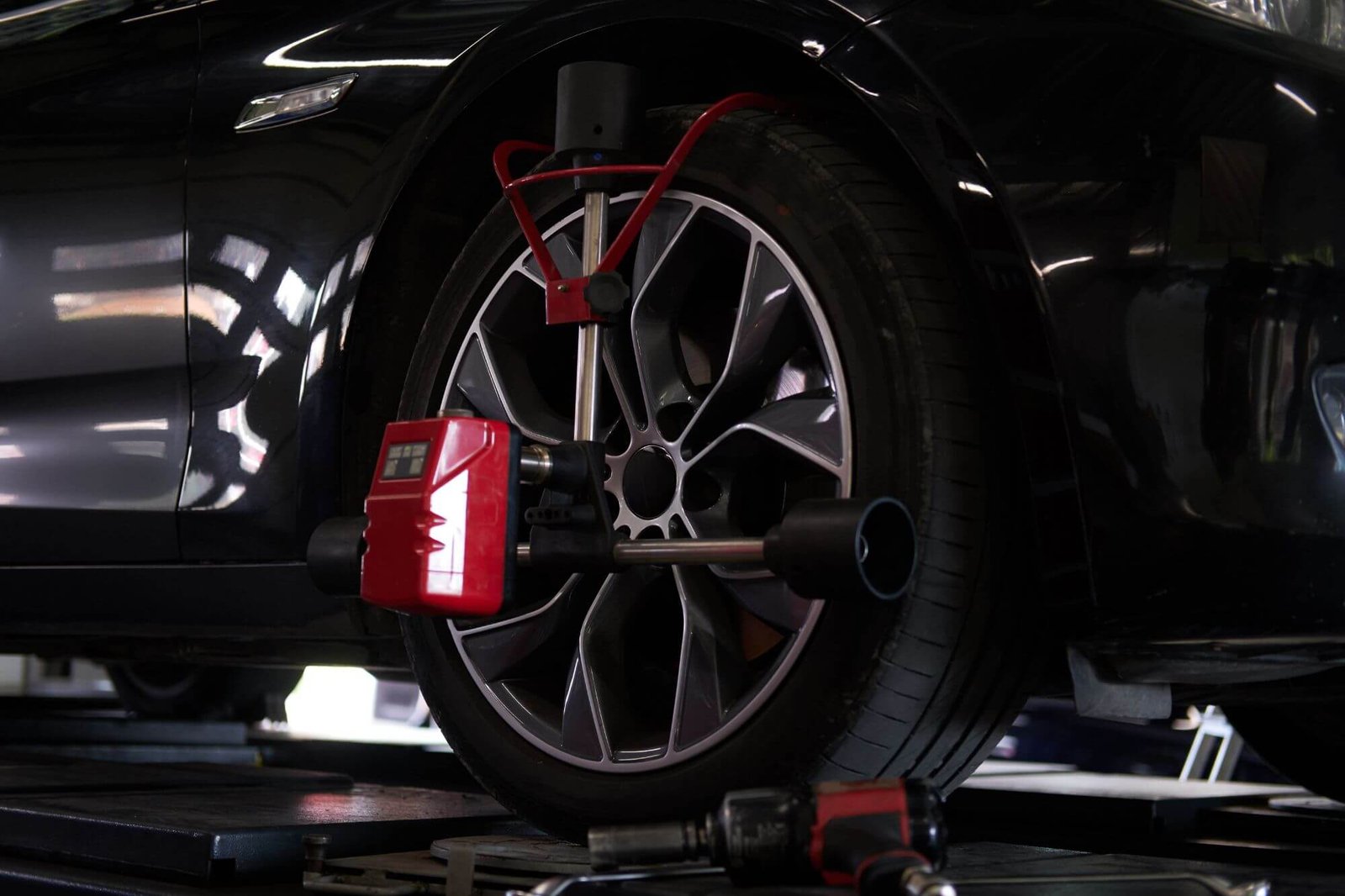
Alignment refers to the angles of the wheels in relation to the vehicle and the road. A pothole, curb strike, worn steering part, or suspension impact can move those angles out of specification. The result may be a steering wheel that sits off-center, a vehicle that drifts to one side, or tread that wears heavily on one shoulder.
Not every alignment issue is obvious from behind the wheel. Some vehicles still drive straight while quietly wearing down the inside edge of a tire, where it is hard to see without turning the wheels or getting underneath the vehicle.
An alignment check is a smart next step if you notice uneven wear, recently hit a hard pothole, replaced steering or suspension parts, or installed new tires. Alignment cannot restore tread that has already worn away, but it can prevent the same damage from happening to the replacement set.
Worn Suspension or Steering Components
Shocks, struts, ball joints, bushings, tie rods, and wheel bearings all help keep tires planted evenly on the road. When these parts wear out, the wheel may bounce, shift, or sit at an incorrect angle while driving. This can cause cupping, feathering, or rapid edge wear.
Feathering feels like the tread is smooth when you run your hand across it in one direction but sharp or rough in the other. It often comes from alignment settings that are off, but loose steering or suspension components may be the underlying reason. In that situation, an alignment alone may not solve the problem. The worn part needs to be repaired first.
Skipped Tire Rotation
Front and rear tires do different jobs. On many vehicles, front tires handle most of the steering and a significant share of braking forces. On front-wheel-drive vehicles, they also deliver power to the road. It is normal for front tires to wear faster if they are not rotated regularly.
Rotation moves tires to different positions so the wear is shared more evenly across the set. The right rotation pattern depends on whether your tires are directional, staggered, or the same size at all four corners. Your vehicle owner’s manual and tire professional can confirm the correct approach.
A practical rule is to rotate tires at the interval recommended by the vehicle manufacturer or whenever your service schedule calls for it. Do not wait until the front tires look worn. Once there is a major difference in tread depth, rotation may not fully even things out.
Driving Habits Can Make Tires Wear Faster
Tires are consumable parts, so some wear is expected. Still, frequent hard acceleration, sudden braking, fast cornering, and repeated contact with curbs can shorten their life. Heavy loads and towing can do the same when tires are not set to the correct pressure for the load.
Road conditions matter too. Rough pavement, construction zones, potholes, and debris can knock a vehicle out of alignment or damage a tire without causing an immediate flat. If your daily route includes these conditions, regular visual checks are worth the few minutes they take.
Seasonal tire use also matters. Winter tires are built for cold conditions and snow traction, but their softer rubber can wear more quickly in sustained warm weather. Summer tires offer responsive warm-weather handling but are not intended for winter temperatures. All-weather and all-season tires offer different compromises depending on your driving needs, climate, and vehicle. Using the right category in the right conditions helps protect both traction and tread life.
Check Your Tires Before Wear Becomes a Safety Issue
Start with a walk-around once a month. Look at the outer and inner tread edges, not just the part you see when standing beside the vehicle. Check for cuts, bulges, exposed cords, nails, cracking, and uneven wear from side to side. A bulge or exposed cord calls for immediate professional attention – do not continue driving on that tire.
Use the built-in treadwear bars as a quick guide. These small raised bars run across the grooves and become level with the tread as the tire wears down. If the bars are flush, the tire has reached its minimum legal tread depth. For dependable rain and snow performance, however, it is wise to assess replacement before tread reaches that point, especially if you regularly drive through heavy rain, slush, or snow.
Vibration at highway speeds can be another warning sign. It may be caused by wheel balance, a damaged wheel, a tire issue, or a worn suspension component. Because several issues can feel similar from the driver’s seat, a proper inspection is better than guessing.
What to Do When Tire Wear Is Already Visible
First, check and correct all four tire pressures. Then arrange an inspection that includes tread measurement, wheel balance, alignment angles, and a look at the steering and suspension system. Ask the technician to explain the wear pattern before authorizing replacement. Knowing whether the cause was pressure, alignment, or a mechanical part helps protect your next set of tires.
If only one or two tires need replacement, matching can matter. Tire size, tread design, remaining tread depth, and your vehicle’s drivetrain all affect the best choice. Vehicles with all-wheel drive can be especially sensitive to major tread-depth differences between tires. A tire professional can help determine whether one replacement tire, a pair, or a full set makes the most sense for safe operation.
The goal is not just to put fresh rubber on the vehicle. It is to correct the reason the old tires wore out early. A few minutes spent checking pressure and wear each month can keep your vehicle safer, more comfortable, and ready for the road ahead.