
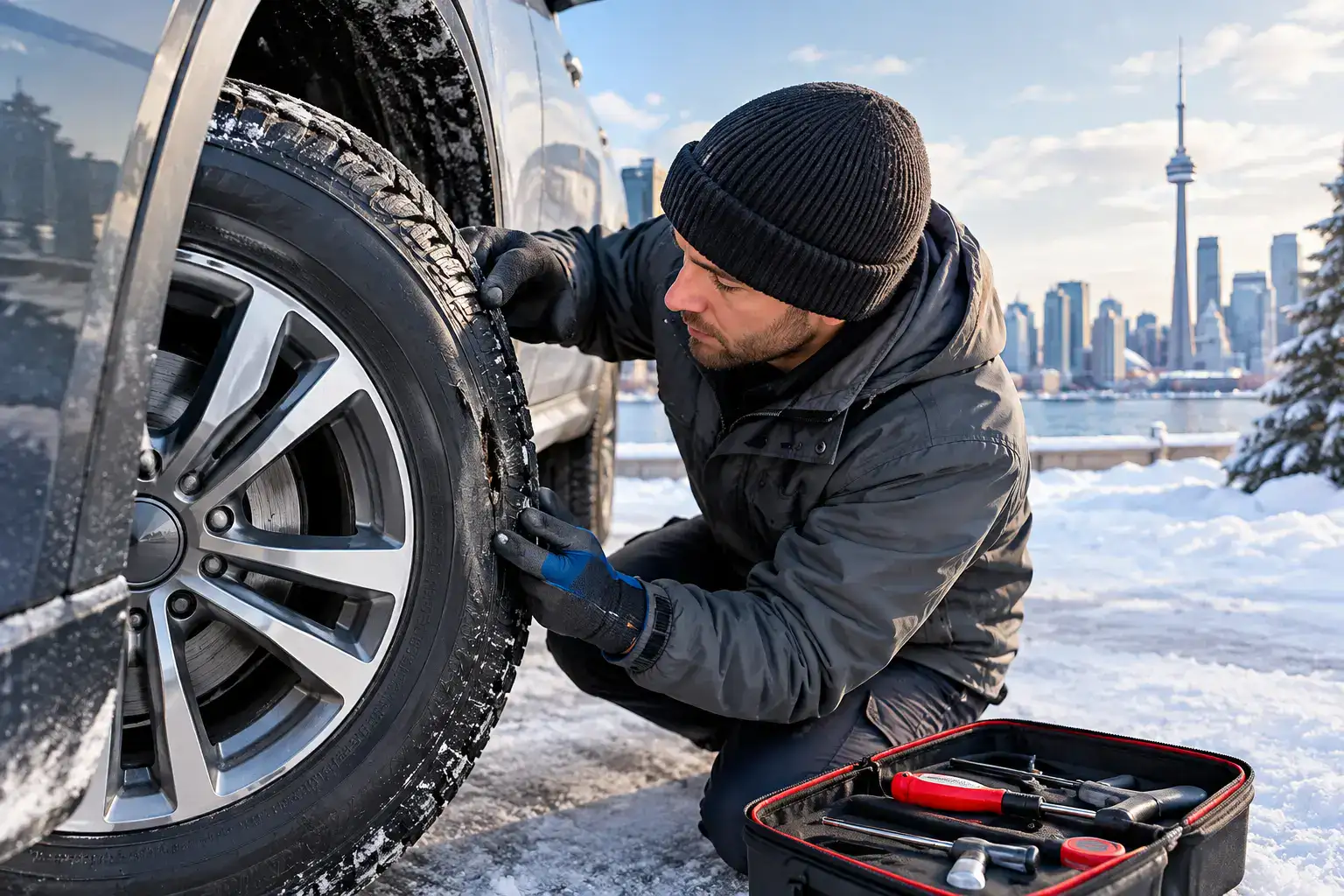
A nail in the center of a tire tread may be repairable. A cut, bulge, or puncture in the sidewall is a very different situation. So, can tire sidewalls be repaired? In nearly every case, the safe answer is no. Sidewall damage can weaken the part of the tire that supports your vehicle’s weight, manages cornering forces, and helps keep the tire sealed to the wheel.
That can feel frustrating when the tread still looks new, especially after a recent tire purchase. But a sidewall repair is not simply a matter of stopping an air leak. It is about restoring the tire’s internal strength – and a patch or plug cannot reliably do that.
Why Tire Sidewalls Are Different From Tread
The tread is the thick, reinforced area that meets the road. When a small puncture occurs in a repairable part of the tread, a qualified technician may be able to inspect the tire from the inside and use an approved repair method.
The sidewall has a different job. It flexes constantly as the tire rolls, absorbs impacts from potholes and curbs, and supports the load carried by the vehicle. Inside it are layers of fabric cords that give the tire its shape and strength. Once those cords are cut, stretched, or broken, the tire may no longer perform as designed.
A repair material may cover a hole temporarily, but it cannot rebuild damaged internal cords. The repaired area continues to flex thousands of times during a normal drive. Heat, speed, load, and road impacts can all add stress, increasing the risk of a sudden loss of air or tire failure.
Can Tire Sidewalls Be Repaired After a Puncture?
A puncture in the sidewall generally requires tire replacement, even if the hole appears small and the tire is holding air. This includes damage caused by a nail, screw, sharp debris, or a puncture near the outer edge of the tread where the tire begins to curve into the sidewall.
The location matters as much as the size of the injury. A puncture that looks like it is in the tread from the outside may be too close to the shoulder area for a safe repair. That is why a proper assessment requires removing the tire from the wheel and inspecting the inside, not just looking at the visible damage.
Do not rely on a plug kit as a permanent answer for sidewall damage. Emergency sealants and roadside plugs can sometimes help get a vehicle out of an immediate situation, but they are not a safe repair for a damaged sidewall. If you use a temporary product to move the vehicle, drive only as necessary and arrange a professional inspection promptly.
Sidewall Damage That Means You Should Stop Driving
Not every mark on a sidewall means the tire is unsafe. A light scrape from brushing a curb may only affect the rubber’s appearance. The concern is whether the damage reaches the tire’s structure.
Stop driving and have the tire assessed as soon as possible if you notice any of the following:
- A bulge, bubble, or raised area in the sidewall
- A deep cut, crack, or chunk of rubber missing
- Exposed fabric cords, steel, or other material beneath the rubber
- A puncture or a source of ongoing air loss in the sidewall
- Sidewall damage after striking a pothole, curb, or road debris
A sidewall bubble deserves special attention. It usually means the internal cords have been damaged, allowing the inner liner to push outward. The tire may still hold air for a while, but its structural integrity has been compromised. Continued driving can lead to a rapid failure, particularly at highway speeds.
If the tire is flat, do not keep driving on it to reach a shop unless your vehicle has a run-flat tire and the tire manufacturer’s operating limits allow it. Driving on a conventional flat tire can damage both the sidewall and the wheel. Even when the original problem was a simple tread puncture, running flat may turn a repairable tire into one that needs replacement.
What About Cracked or Scuffed Sidewalls?
Sidewall scuffs are common in city driving and parking lots. If the rubber is only lightly marked, with no deep gouge, bulge, exposed cords, or air loss, the tire may still be usable. A technician can help distinguish a cosmetic scuff from structural damage.
Cracking requires a closer look. Fine surface cracks can develop as tires age or are exposed to sunlight, changing temperatures, and long periods without use. Deeper cracks, cracks that spread, or cracking around a damaged area may mean the tire is no longer safe for service.
Tires also have a service life beyond tread depth. A tire with plenty of remaining tread can still need replacement if its rubber is deteriorating or its sidewall has suffered impact damage. This is one reason regular inspections matter, particularly before winter driving, long road trips, or seasonal tire changes.
Why a Patch, Plug, or Sealant Is Not the Fix
It is understandable to look for a less expensive option when only one tire is damaged. However, a sidewall repair creates a weak point in an area that flexes constantly. A plug may slow an air leak, and a patch may cover the inside of a puncture, but neither restores the tire’s original load-carrying structure.
Sealants have limits, too. They can make a tire messy to inspect and repair later, may affect wheel balance, and do not address damaged cords. They should never be treated as proof that a sidewall is safe.
A reputable tire professional will not repair a structurally damaged sidewall simply because the tire looks good otherwise. That recommendation protects you, your passengers, and everyone sharing the road with you.
Choosing the Right Replacement Tire
When a sidewall-damaged tire must be replaced, the best option depends on your vehicle, drivetrain, tire wear, and driving needs. Start by matching the size, load rating, speed rating, and tire type specified for your vehicle. The information is printed on the existing tire sidewall and usually listed on the vehicle’s driver-side door placard.
For many front-wheel-drive and rear-wheel-drive vehicles, replacing one tire may be possible if the matching tire is available and the remaining tires have sufficient, even tread depth. The replacement should be the same size and ideally the same model and pattern as the other tire on that axle.
All-wheel-drive vehicles deserve extra care. Significant differences in tire circumference can put unnecessary strain on the drivetrain. Depending on the vehicle maker’s recommendations and the remaining tread depth, you may need to replace more than one tire or consider tire shaving, where appropriate and available, to better match the existing tires.
If the damage happened to a winter tire, replace it with a compatible winter tire rather than mixing tire types on the same vehicle. Winter, all-season, all-weather, summer, and light-truck tires are built for different conditions. Matching the tire to the season and vehicle helps preserve predictable braking and handling.
How to Avoid Future Sidewall Damage
Many sidewall failures begin with impacts. Keeping tires inflated to the vehicle manufacturer’s recommended pressure gives them a better chance of handling potholes and road hazards. Underinflated tires flex more and are more vulnerable to pinch damage when they hit a sharp edge.
Give curbs some space when parking, slow down for potholes when it is safe to do so, and inspect your tires after a hard impact. During seasonal tire changes, ask for a close visual inspection of the sidewalls, tread, and wheel condition. Catching a bulge or deep cut early can prevent an inconvenient roadside flat later.
If you are unsure whether a mark is cosmetic or serious, treat it cautiously. Bring the vehicle to a qualified tire service professional for an inspection. Migo Tire can help drivers assess tire damage and find a properly matched replacement when one is needed.
A sidewall is not the place to take chances. Replacing a damaged tire may be inconvenient, but it is the practical choice that helps keep your vehicle safe and road-ready for the miles ahead.


