Your truck tires are doing more than getting you from one place to another. They carry passengers, tools, cargo, trailers, and the added demands of gravel roads, job sites, slush, and long highway miles. Knowing how to pick truck tires starts with an honest look at how your truck is used most days – not just the most demanding trip you take once a year.
The right set should fit your vehicle correctly, handle your typical load, and give you the traction and ride comfort you expect. A tire that looks aggressive may not be the best choice for a daily commuter, while a highway-focused tire may fall short for frequent off-road work. The goal is simple: choose tires that keep your truck safe, capable, and road-ready without paying for performance you will rarely use.
Start With the Correct Tire Size and Fitment
Before comparing tread patterns or tire categories, confirm the size approved for your truck. You can find it on the tire information placard, usually located inside the driver’s door area, and in your owner’s manual. A size such as LT265/70R17 includes information about the tire’s width, sidewall height, construction, and wheel diameter.
Using the factory-recommended size is the easiest way to maintain predictable handling, braking, speedometer accuracy, and clearance. If you are considering a larger tire for ground clearance or appearance, check that it will not rub against suspension components or the wheel well when turning or carrying a load. Larger tires can also affect fuel use, acceleration, braking feel, and towing performance.
It is also important to choose the correct tire type. Many pickups use either P-metric passenger tires or LT, meaning Light Truck, tires. P-metric tires can provide a quieter, more comfortable ride for lighter-duty driving. LT tires are built for heavier loads, towing, rougher surfaces, and more demanding use. They often have stronger construction, but that extra durability can come with a firmer ride and more weight.
How to Pick Truck Tires Based on Daily Use
The best tire category depends on where you drive, what you carry, and how often your truck leaves paved roads. Think about your normal driving first, then allow for occasional needs.
Highway and everyday driving
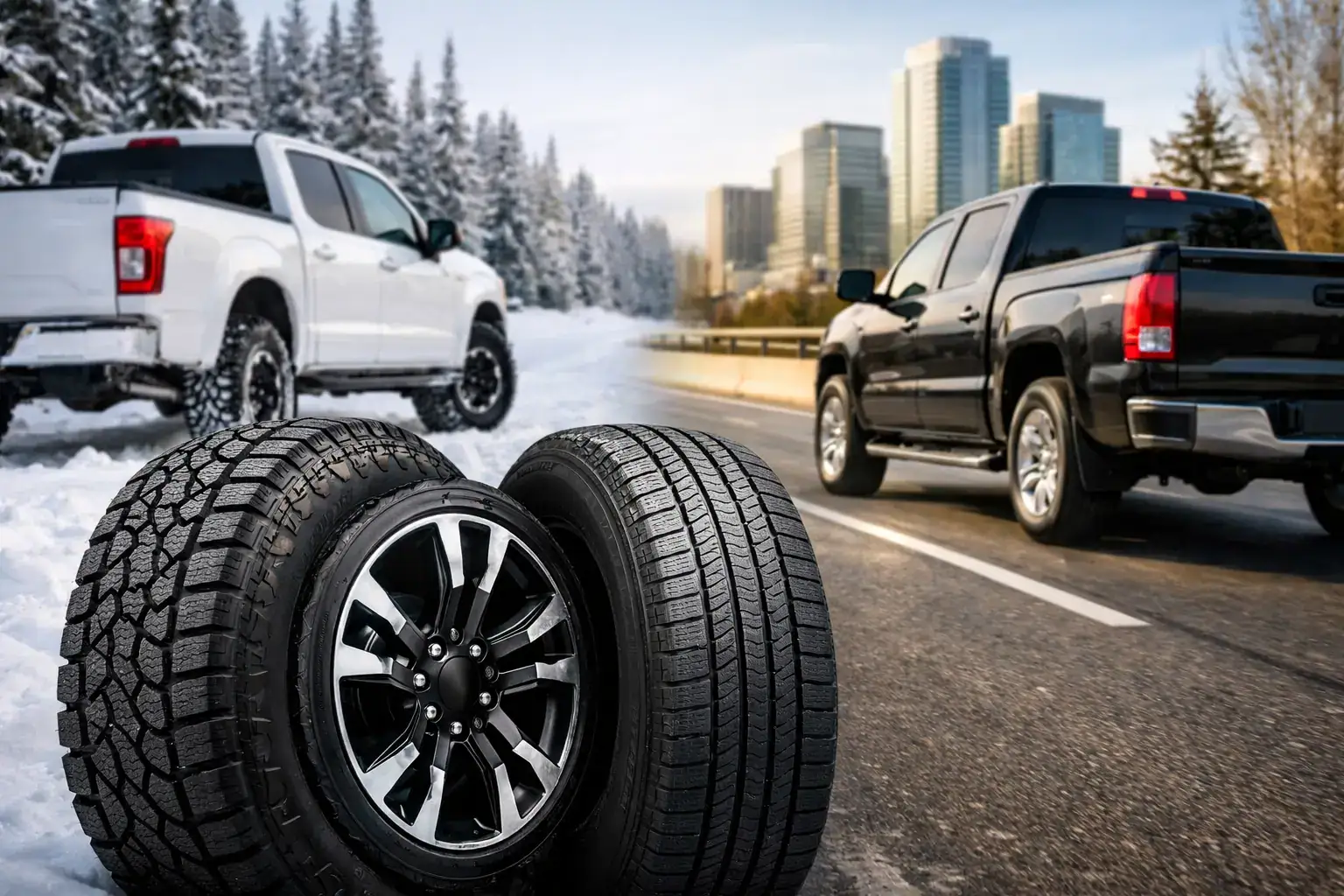
If your truck spends most of its time commuting, carrying family, or running errands, a highway-terrain tire is often the practical choice. These tires are designed for a smooth, quiet ride, stable highway handling, and even treadwear. They are well suited to drivers who may haul smaller loads or tow occasionally but do not regularly travel through mud, loose rock, or deep snow.
For many truck owners, this category offers the best balance. You get dependable wet-road performance and long-distance comfort without the road noise and reduced efficiency that can come with more aggressive tread designs.
Mixed pavement, gravel, and trails
All-terrain, or A/T, tires suit trucks that split their time between paved roads and unpaved surfaces. Their tread is more open than a highway tire, helping them find traction on gravel, dirt, loose surfaces, and light trails. They are a strong match for cottage roads, job sites, rural driving, and weekend outdoor use.
The trade-off is that A/T tires may produce more road noise and may not last as long as highway-focused tires when used mainly on pavement. Still, a quality all-terrain tire is often the right middle ground for drivers who need real versatility without moving to a dedicated off-road tire.
Mud, deep ruts, and serious off-road use
Mud-terrain, or M/T, tires have large tread blocks and wide gaps that help clear mud and maintain traction in deep, soft terrain. They are built for trucks that regularly face rough trails, mud, rocks, and demanding work conditions.
For everyday highway driving, however, mud-terrain tires are usually a compromise. They can be louder, wear faster on pavement, and provide less refined wet-road behavior than highway or all-terrain options. Choose them because your truck truly needs that capability, not only because of their appearance.
Match Load Capacity to What Your Truck Carries
Load capacity matters whenever you carry equipment, haul materials, use a truck bed camper, or tow a trailer. Every tire has a load rating that indicates how much weight it can safely support at the specified inflation pressure. The combined capacity of all four tires must meet your truck’s requirements when loaded.
Do not assume a larger-looking tire automatically carries more weight. Check the tire’s load index, load range, and the specifications for the exact size you are considering. Light Truck tires are commonly available in different load ranges, which reflect their strength and inflation capability.
A higher-capacity tire can add confidence for heavy work and towing, but it is not automatically better for everyone. Stiffer tires can make an unloaded truck feel harsher over broken pavement. If your truck is rarely loaded heavily, selecting an overly heavy-duty tire may sacrifice comfort without adding meaningful value.
When towing, remember that the tires on your truck are only part of the setup. Proper trailer tires, tire pressure, weight distribution, and vehicle loading all play a role in stable, controlled towing.
Choose for the Weather You Actually Drive In
Truck tires need to work when roads are wet, cold, snowy, or covered in slush. All-season tires are built for a broad range of everyday conditions and are a sensible option for mild weather and year-round pavement driving. They are not the same as winter tires, though.
If you drive regularly through Canadian winter conditions, dedicated winter tires provide better grip in cold temperatures, snow, and ice. Their rubber stays more flexible in the cold, while their tread design creates more biting edges for traction. Four matching winter tires are the safer approach, even for four-wheel-drive trucks.
All-weather tires can be a useful alternative for some drivers. They offer more cold-weather capability than a typical all-season tire while remaining suitable for year-round use. They may work well for drivers who face changing weather but do not want a seasonal tire changeover. The right choice depends on local conditions, your mileage, and how much winter traction you need.
Four-wheel drive helps a truck move forward, but it does not replace the grip needed for braking and turning. Tire choice still matters most when you need to stop on a slippery road.
Read the Tread Pattern and Key Ratings
Tread design affects how a tire behaves. More grooves and channels generally help move water away from the contact patch, supporting wet-road traction. A tighter tread pattern tends to be quieter on pavement, while larger blocks and wider voids help on loose terrain.
Look for the severe snow service symbol, identified by a mountain snowflake marking, if you need a tire rated for severe snow conditions. This can be especially useful when comparing all-weather, all-terrain, and winter options. Do not rely on the look of the tread alone.
Speed ratings and traction ratings are also worth checking, but they should not outweigh fitment, load capacity, and intended use. A tire needs to be suitable for your truck before it can deliver the performance shown in its ratings.
Consider Ride, Noise, Fuel Use, and Tire Life
No truck tire is best at everything. A quiet highway tire may offer excellent comfort and tread life but limited off-road grip. An aggressive all-terrain tire can add confidence on gravel and dirt but may increase road noise. A heavier LT tire can support demanding loads but may feel firmer and can affect fuel economy.
This is why choosing based on your most common driving conditions is usually smarter than choosing based on occasional extremes. If you drive 90 percent on pavement and 10 percent on rough roads, a balanced all-terrain or highway tire may serve you better than a mud-terrain tire.
Also consider how long you plan to keep the truck and how many miles you drive each year. A tire with even wear and dependable everyday handling can provide better value than a more specialized option that does not match your routine.
Do Not Skip Installation and Ongoing Care
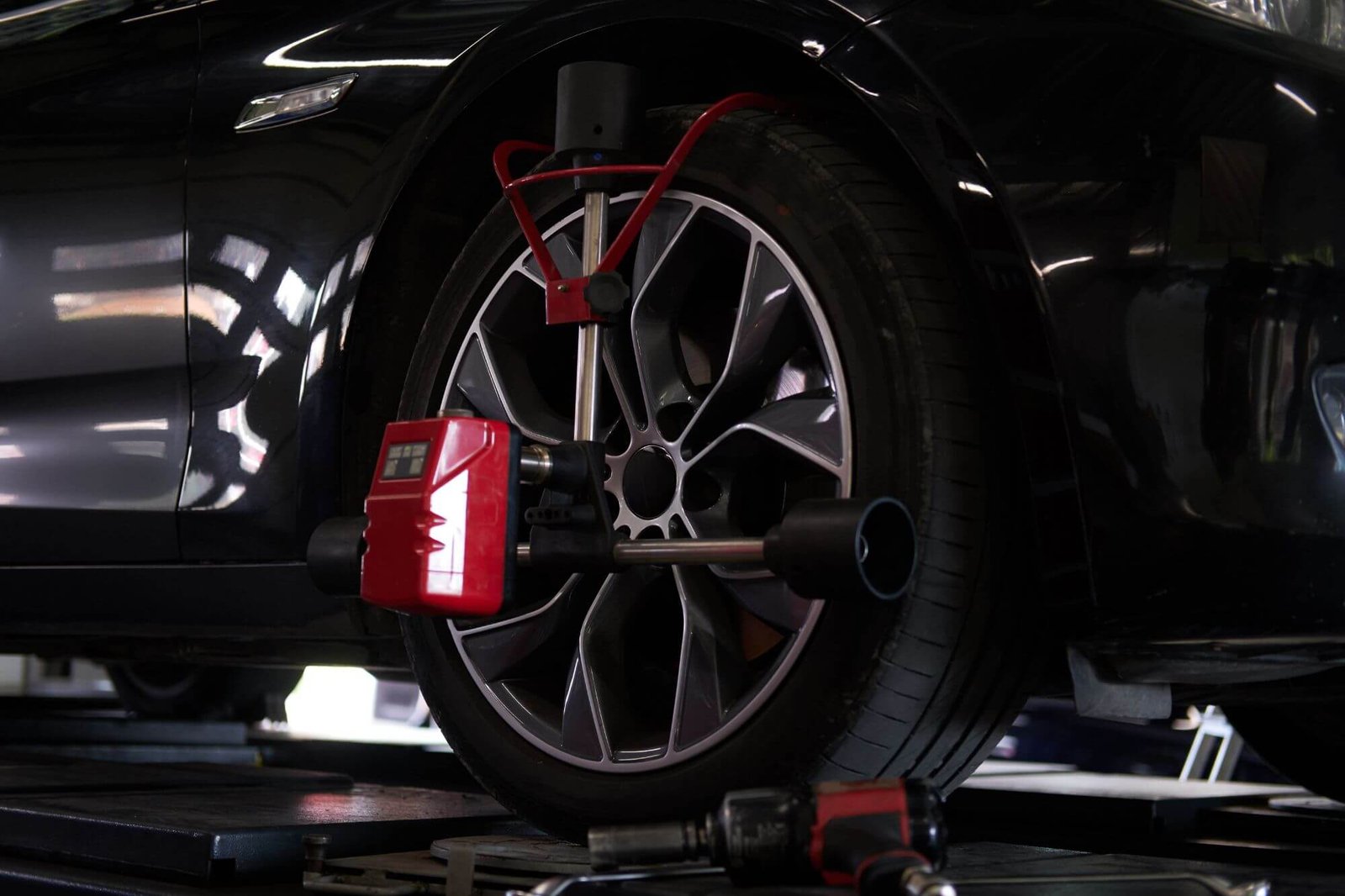
Even the right tires need proper installation to perform as intended. Have tires mounted, balanced, and inflated to the pressure specified for your truck and load. If your old tires wore unevenly, an alignment inspection can help identify issues before they shorten the life of your new set.
Check tire pressure regularly, especially when temperatures change or before towing. Rotate your tires on the schedule recommended for your vehicle and tire type. Regular inspections for cuts, punctures, uneven wear, and damaged sidewalls help you address small problems before they become a roadside issue.
If you are unsure whether a P-metric, LT, all-terrain, winter, or all-weather tire fits your truck, start with your vehicle details and how you use it. Migo Tire can help drivers compare compatible options and arrange the tire services needed to keep a truck ready for the next commute, job, or weekend trip. The best choice is the one that makes your everyday driving feel safer and easier, mile after mile.