
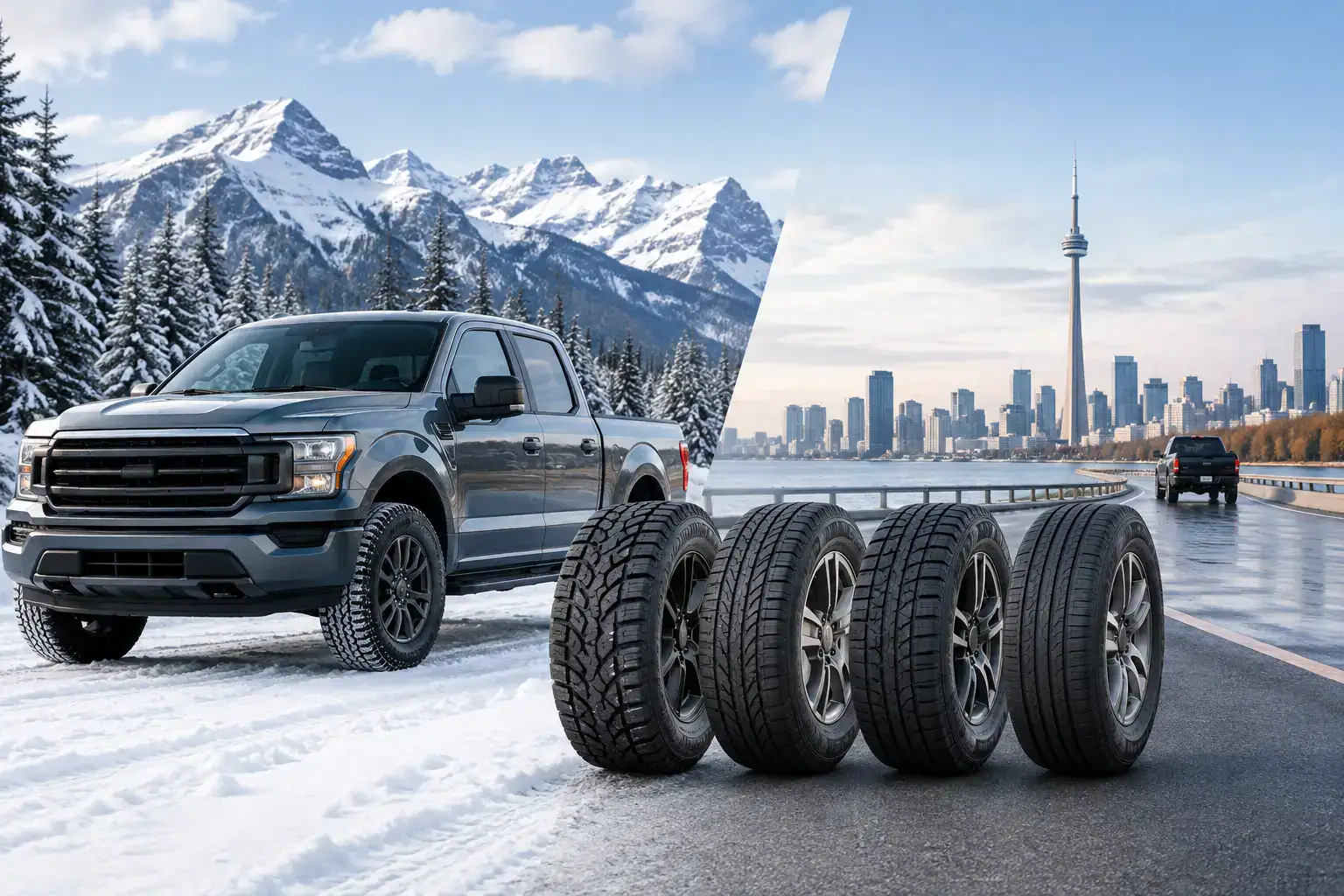
A light truck tire has to do more than get you from point A to point B. It may carry tools all week, tow a trailer on Saturday, handle a gravel driveway, and still need to feel stable on a wet highway. The best light truck tire recommendations start with how your truck is actually used, not with the most aggressive tread pattern on the rack.
For most drivers, the right choice is a tire that matches the vehicle’s required size and load capacity, performs well in the conditions you face most often, and fits your expectations for ride comfort and tread life. A tougher-looking tire is not automatically a better tire for your truck.
Start With Your Truck’s Real Job
Before comparing brands or tread designs, consider the driving your truck does in a normal month. A pickup used for commuting with an occasional run to the hardware store needs something very different from a work truck carrying equipment every day. The same is true for a vehicle that regularly pulls a camper, boat, or enclosed trailer.
Think about your usual load, your road surfaces, and your weather. If most miles are on pavement, quiet handling, wet traction, and even tread wear should be high on the list. If you spend time on gravel, construction sites, cottage roads, or unmaintained trails, sidewall protection and open tread channels become more valuable.
Towing changes the equation as well. A trailer adds stress to the tires during acceleration, braking, and turns. The truck may need a tire with a higher load capacity or a more stable construction, but only if that specification is appropriate for the vehicle and its wheels. The owner’s manual and tire information placard are the right starting points.
Light Truck Tire Recommendations by Driving Style
The tire category often narrows the search faster than any single brand name. Each type has clear strengths, along with compromises worth understanding before you buy.
Highway and all-season tires
Highway-oriented light truck tires suit pickups and SUVs that spend most of their time on paved roads. They are generally quieter than more aggressive options, provide composed steering, and can deliver good wet-road performance. They are a sensible choice for daily driving, light hauling, and occasional towing.
An all-season designation does not mean identical performance in every season. These tires are designed for a broad range of conditions, but they are not a replacement for dedicated winter tires where winter weather is frequent and severe. If your truck is used year-round in snowy conditions, seasonal tire changes can be the safer plan.
All-terrain tires
All-terrain, or A/T, tires are a practical middle ground for drivers who split their time between pavement and loose surfaces. Their tread is more open than a highway tire, which helps on gravel, dirt, and mild trails. Many also have stronger-looking shoulders and added resistance to cuts or chipping.
The trade-off is usually more road noise, slightly less precise on-road feel, and sometimes a reduction in fuel efficiency compared with a highway-focused tire. For a truck that sees job sites, rural roads, or weekend recreation without living in deep mud, an A/T tire is often the most balanced option.
Mud-terrain tires
Mud-terrain, or M/T, tires have large tread blocks and wide voids intended to clear mud and grip loose terrain. They make sense for serious off-road use, but they are rarely the best answer for a truck that primarily commutes or tows on pavement.
Expect more noise, a firmer ride, and different wet-road behavior than you would get from a highway or all-terrain design. Their aggressive appearance appeals to many truck owners, but choosing them strictly for looks can make every paved mile less comfortable.
Winter and all-weather tires
For drivers who deal with extended cold, snow, slush, and ice, winter capability deserves its own decision. Dedicated winter tires use compounds and tread designs made to stay flexible in low temperatures. They offer stronger traction and braking confidence on winter roads than standard all-season tires.
All-weather tires can be a useful option for some light trucks, especially when year-round convenience matters and conditions are moderate. Still, a dedicated winter setup is often the better choice for heavy winter use, frequent rural travel, or work that cannot wait for clear roads.
Fitment Comes Before Tread Pattern
Even the right tire category will disappoint if the fitment is wrong. Start with the size shown on the driver’s door placard, then confirm the vehicle’s approved options in the owner’s manual. A size such as LT265/70R17 includes information about tire type, width, aspect ratio, construction, and wheel diameter.
The LT marking means the tire is built for light truck service. It does not mean every LT tire is automatically the best upgrade. LT tires are often designed for higher loads and tougher use, but their heavier construction can also affect ride quality, steering response, and fuel use. Some trucks are designed around passenger-metric tires, while others are designed around LT tires. Follow the vehicle manufacturer’s requirements and get fitment advice before changing tire type or size.
Avoid assuming that a larger tire will fit because it looks close on paper. Overall diameter, wheel width, suspension clearance, turning clearance, and speedometer accuracy can all be affected. A tire should clear the fender, suspension, and steering components through the full range of movement, not just when the truck is parked.
Understand Load Rating and Load Range
Load capacity matters whenever your truck carries cargo or pulls a trailer. The tire’s load index and maximum load information are printed on the sidewall. The important question is whether the tires, wheels, and vehicle are all rated for the job. Tires cannot raise the truck’s factory payload or towing limits.
You may also see Load Range designations, such as C, D, or E, on LT tires. These indicate different construction and inflation capabilities. A higher load range can be useful for sustained heavy loads, but it may create a firmer unloaded ride. More capacity is not automatically better if your truck spends nearly all of its time empty.
Inflation pressure is part of the load-carrying system. Use the pressure listed on the vehicle placard for normal operation unless a qualified professional provides a specific recommendation for your approved tire and load situation. The maximum pressure on the tire sidewall is not necessarily the correct everyday pressure for your truck.
Do Not Overlook Wet Grip, Noise, and Tread Wear
Truck buyers often focus on off-road traction, then discover that most of their driving happens in rain and traffic. Wet braking and water evacuation deserve serious attention, especially for a daily-driven pickup. Look for tread designs with channels that move water away from the contact patch and choose a tire designed for the conditions you encounter most.
Noise is another everyday consideration. Open, blocky tread patterns can create a noticeable hum at highway speeds. That may be an acceptable trade-off for trail traction, but it can become tiring on long trips. If comfort matters to your family, crew, or passengers, a highway tire or a road-focused all-terrain design may be a better fit.
Tread wear depends on the tire, but also on maintenance. A good tire can wear quickly when alignment is off, pressure is neglected, or rotations are skipped. Uneven wear on the inside or outside edge can point to an alignment issue. Cupping or irregular patches may indicate a balance, suspension, or inflation concern.
A Simple Buying Check Before You Order
Before making a final choice, confirm these four details:
- The tire size, speed rating, and load capacity meet your vehicle’s requirements.
- The tread category matches where the truck spends most of its time.
- The tire supports your real cargo and towing needs without unnecessary compromises.
- You have a plan for installation, balancing, rotation, alignment checks, and seasonal changeovers.
This check keeps the decision practical. It also prevents a common mistake: buying a tire for the one demanding trip you take each year rather than the driving you do every week.
Get the Most From Your New Tires
After installation, check pressure regularly when the tires are cold, especially before long trips or when carrying a heavy load. Rotate tires according to the vehicle or tire manufacturer’s recommended schedule, and have the alignment checked if the truck pulls, the steering wheel sits off-center, or tread wear looks uneven.
If you are unsure whether an all-terrain tire, highway tire, or higher-load LT option fits your vehicle, Migo Tire can help narrow the choice by vehicle, tire size, and intended use. Getting clear fitment guidance before installation is easier than correcting an avoidable mismatch afterward.
Your truck works hard in its own way. Choose tires that support that work every day, keep an eye on pressure and wear, and let the conditions you drive in guide the decision.


