
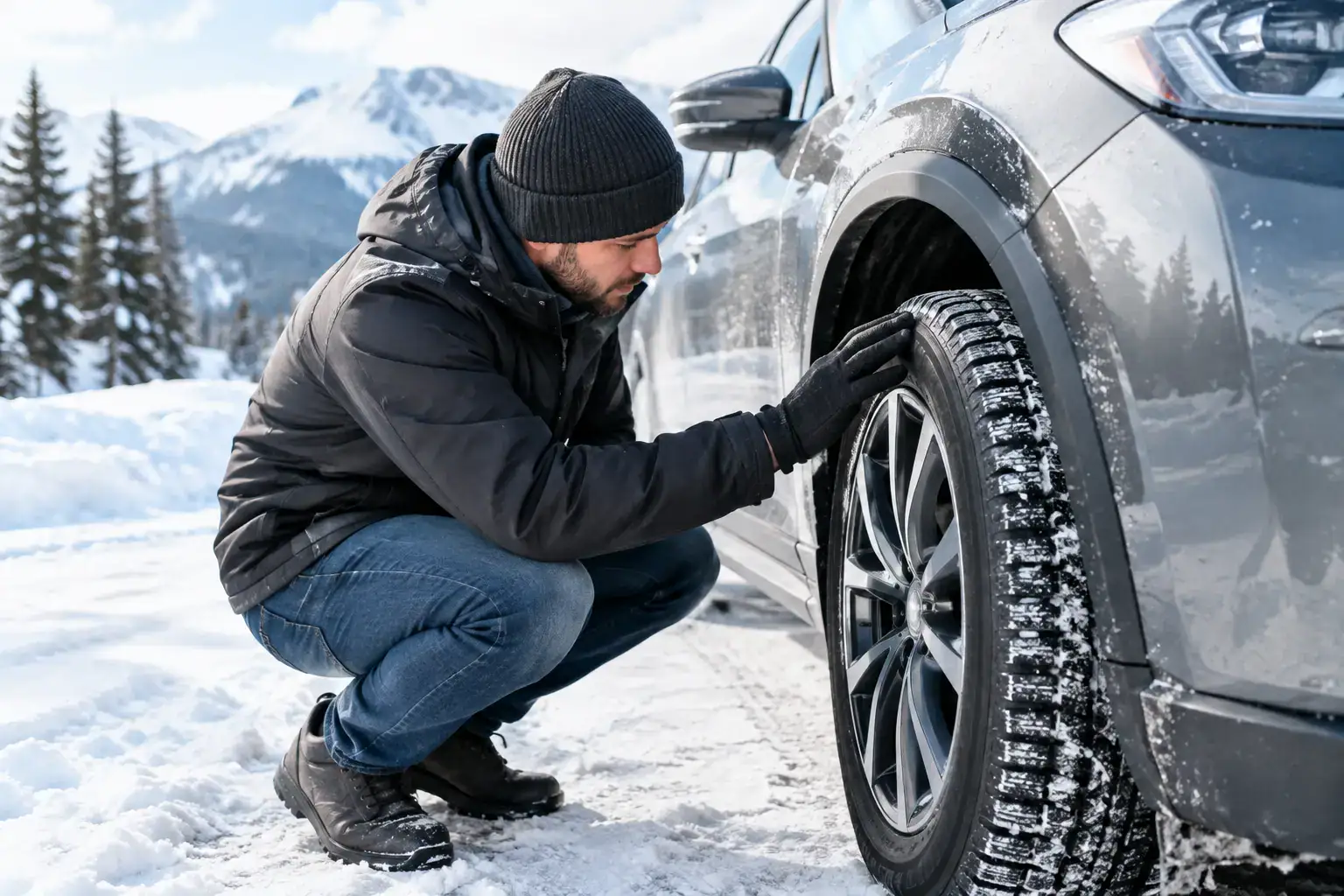
The first slippery commute is not the time to find out your tires are worn, underinflated, or wrong for the conditions. To prepare tires for winter properly, start before temperatures stay near freezing and before installation appointments become difficult to book. A few checks now can make a noticeable difference in braking, cornering, and confidence when roads turn cold, wet, slushy, or snow-covered.
For Canadian drivers, winter readiness is about more than getting through a major storm. Cold pavement changes how rubber performs every day, even when the road looks clear. The goal is to choose tires that fit your driving needs, confirm they are in good condition, and have them installed and maintained correctly.
Prepare Tires for Winter Based on Your Driving
The right tire choice depends on where and how you drive. If you regularly face snow-covered side streets, steep driveways, rural roads, or highway travel during active winter weather, a dedicated winter tire is usually the best option. Winter tires use a rubber compound designed to remain flexible in low temperatures. Their tread patterns also have more biting edges to help manage snow and slush.
All-weather tires can be a practical middle ground for drivers who want year-round use without seasonal changeovers. They are designed to handle colder conditions better than typical all-season tires, but they may not offer the same level of snow and ice performance as dedicated winter tires. They can make sense for lower-mileage urban driving, areas with more consistently cleared roads, or drivers who prefer one set of tires throughout the year.
All-season tires are built for a broad range of mild conditions, not severe winter duty. A tire can look healthy and still lose meaningful grip as temperatures fall. If your vehicle came with all-season tires, do not assume they will provide the traction you need for a full Canadian winter, especially once the tread has worn down.
For SUVs, pickups, and light trucks, consider the vehicle’s real use. A highway-focused winter tire is often the right match for commuting and family travel. An all-terrain tire may suit drivers who also deal with unpaved roads, but an aggressive tread alone does not make a tire a winter tire. Check the tire’s winter service rating and choose based on the conditions you actually expect to drive in.
Check Tread Depth Before Cold Weather Arrives
Tread depth is one of the clearest indicators of winter readiness. Tread channels move water and slush away from the contact patch, while the small cuts in the tread blocks help the tire grip packed snow. As tread wears down, those features become less effective.
The common penny check can offer a quick visual reference, but winter driving calls for a more cautious standard than simply waiting until a tire is legally worn out. If the tread is getting close to 5/32 inch, begin planning for replacement before winter conditions become regular. Tires with uneven wear deserve attention even sooner because uneven tread can affect traction, steering response, and ride quality.
Look closely across the full width of each tire. Wear in the center can point to overinflation. Wear on both outer edges may indicate low pressure. More wear on one side, cupping, or a feathered feel across the tread can signal an alignment or suspension issue. Replacing tires without correcting the underlying cause can shorten the life of the new set.
If you are unsure what you are seeing, a tire inspection can confirm the remaining tread depth and identify whether rotation, alignment, or replacement is the sensible next step.
Do Not Mix Winter Tire Types Without a Plan
For the most balanced traction and handling, install four matching winter tires. Putting winter tires on only the drive wheels can improve forward movement, but it can create an imbalance when braking or cornering. A front-wheel-drive vehicle with winter tires only on the front, for example, may still lose rear-end grip in a turn. On a rear-wheel-drive vehicle, rear-only installation can leave the front tires with limited steering and braking traction.
Matching tires does not always mean buying the same model you had before, but the set should be compatible in size, type, and performance category. If you need help confirming fitment, use your vehicle information or the tire size shown on the sidewall and door placard.
Inspect Tires, Wheels, and Valves
Before installation, inspect every tire for damage that may have gone unnoticed during warmer months. Check for cracks in the sidewall, bulges, exposed cords, nails, screws, and cuts deep enough to reach the tire structure. A slow leak may be repairable in some cases, but sidewall damage and certain puncture locations generally require replacement rather than a simple repair.
Pay attention to the age of the tire as well. A tire can have adequate tread but still be past its best due to age, storage conditions, or visible cracking. The date code on the sidewall can help identify when it was made. If you have stored a winter set for several seasons, have it inspected before relying on it for another winter.
Wheels deserve a quick look too. Bent rims, corrosion around the bead area, or damaged valve stems can contribute to air loss. If your vehicle uses tire pressure monitoring sensors, make sure they are serviced correctly during tire replacement or seasonal installation. A warning light is useful, but it is not a substitute for regular pressure checks.
Set Tire Pressure When Tires Are Cold
Tire pressure drops as the weather gets colder. That is why a pressure warning light often appears during the first cold spell. Low pressure can reduce handling precision, increase tread wear, affect fuel use, and make the tire more vulnerable to damage from potholes.
Check pressure when the tires are cold, ideally before driving or after the vehicle has been parked for several hours. Use the recommended pressure listed on the vehicle’s driver-side door placard or in the owner’s manual. Do not use the maximum pressure printed on the tire sidewall as your everyday target. That number refers to the tire’s maximum allowable pressure, not the pressure specified for your vehicle.
Check all four tires and the spare if your vehicle has one. Repeat the check at least once a month and whenever there is a significant temperature change. It takes only a few minutes, and it is one of the simplest ways to protect tire life through the season.
Book Installation, Balancing, and Alignment Early
Timing matters. Install winter tires when temperatures consistently begin approaching 45°F, rather than waiting for snow accumulation. Winter rubber performs better in cold conditions, and early installation gives you time to address any fitment or vehicle issues before the first storm.
Professional installation should include correct mounting and balancing. Balancing helps prevent vibration at driving speeds and supports more even wear. Proper torque on the wheel fasteners is also essential. If wheels were recently installed, it is wise to have the torque checked again after a short period of driving, following the vehicle manufacturer’s guidance.
An alignment check is especially worthwhile if your vehicle pulls to one side, the steering wheel is off-center, you recently hit a pothole, or your previous tires wore unevenly. Winter tires cannot compensate for poor alignment. In fact, misalignment can wear down their valuable tread surprisingly quickly.
For Toronto and GTA drivers, booking before the first heavy snowfall can reduce last-minute pressure and help keep your vehicle road-ready when conditions change overnight. Migo Tire can help with tire selection, installation, balancing, and alignment so the purchase and service steps stay straightforward.
Store Your Other Set the Right Way
If you switch between winter and summer or all-season tires, storage affects how well the unused set performs next season. Clean off road salt, dirt, and brake dust, then let the tires dry before storing them. Mark their previous positions, such as front left or rear right, so a technician can consider rotation patterns at the next changeover.
Store tires in a cool, dry place away from direct sunlight, electric motors, fuels, solvents, and ozone-producing equipment. Tires mounted on wheels can be stacked or hung properly. Unmounted tires are best stored upright and rotated occasionally to avoid prolonged distortion. Avoid leaving them outdoors under a loose cover, where moisture and temperature swings can take a toll.
A tire bag can keep the set cleaner, but it does not replace suitable indoor storage. The goal is to protect the rubber from sunlight, heat, moisture, and contamination until the next seasonal changeover.
Keep Winter Traction Working All Season
Once your winter tires are installed, continue checking them. Monitor pressure monthly, look for cuts or embedded objects, and pay attention to new vibration, pulling, or noise. Winter roads are hard on vehicles, and potholes can appear quickly after freeze-thaw cycles.
Also remember that even the best winter tire cannot overcome excessive speed or following too closely. Leave more space in wet, snowy, and icy conditions, and make steering, braking, and acceleration inputs gradually. Tire traction gives your vehicle a better foundation, but careful driving is what makes the most of it.
A winter tire plan is easiest when it starts with an honest look at your commute, your vehicle, and the condition of the tires already on it. Handle those details before the weather turns, and your vehicle will be better prepared for the cold miles ahead.


