The first real snowstorm is a poor time to learn that a tire labeled “all-season” does not always have the bite you need. A useful winter traction tire review looks beyond a tire’s aggressive-looking tread and focuses on what matters on a cold commute: stopping distance, control in turns, slush resistance, and confidence when roads change by the block.
For drivers facing Canadian winters, winter tires are not simply about getting moving from a snowy parking spot. They are about keeping the vehicle predictable when you need to brake, merge, or steer around an unexpected obstacle. The right set depends on your vehicle, your typical routes, and the conditions you actually drive in.
What a Winter Traction Tire Review Should Measure
A good review starts with cold-weather grip, not just deep-snow performance. Winter tires use rubber compounds designed to stay flexible as temperatures drop. That flexibility helps the tread conform to uneven pavement, packed snow, and ice. When a tire compound hardens in the cold, traction drops even if the tread still looks healthy.
Braking deserves the most attention. Acceleration is easy to notice because wheelspin is obvious, but a winter tire earns its value when it helps shorten and stabilize stops. Look for feedback on braking on packed snow, wet pavement near freezing, and icy surfaces. No tire can make ice completely safe, but a dedicated winter tire should give the driver more control and a clearer sense of what the vehicle is doing.
Cornering and lane-change stability matter just as much. A tire that pulls well through snow but feels vague on a cleared highway can become tiring during a daily commute. The better options balance snow traction with stable handling on cold, dry pavement and wet roads.
Noise and ride comfort are also worth considering. Some winter tires use more aggressive tread patterns that create extra road noise. That may be a fair trade for drivers regularly traveling on unplowed roads, but a commuter who spends most winter miles on plowed city streets may prefer a quieter, more refined design.
The Tread Features That Create Winter Grip
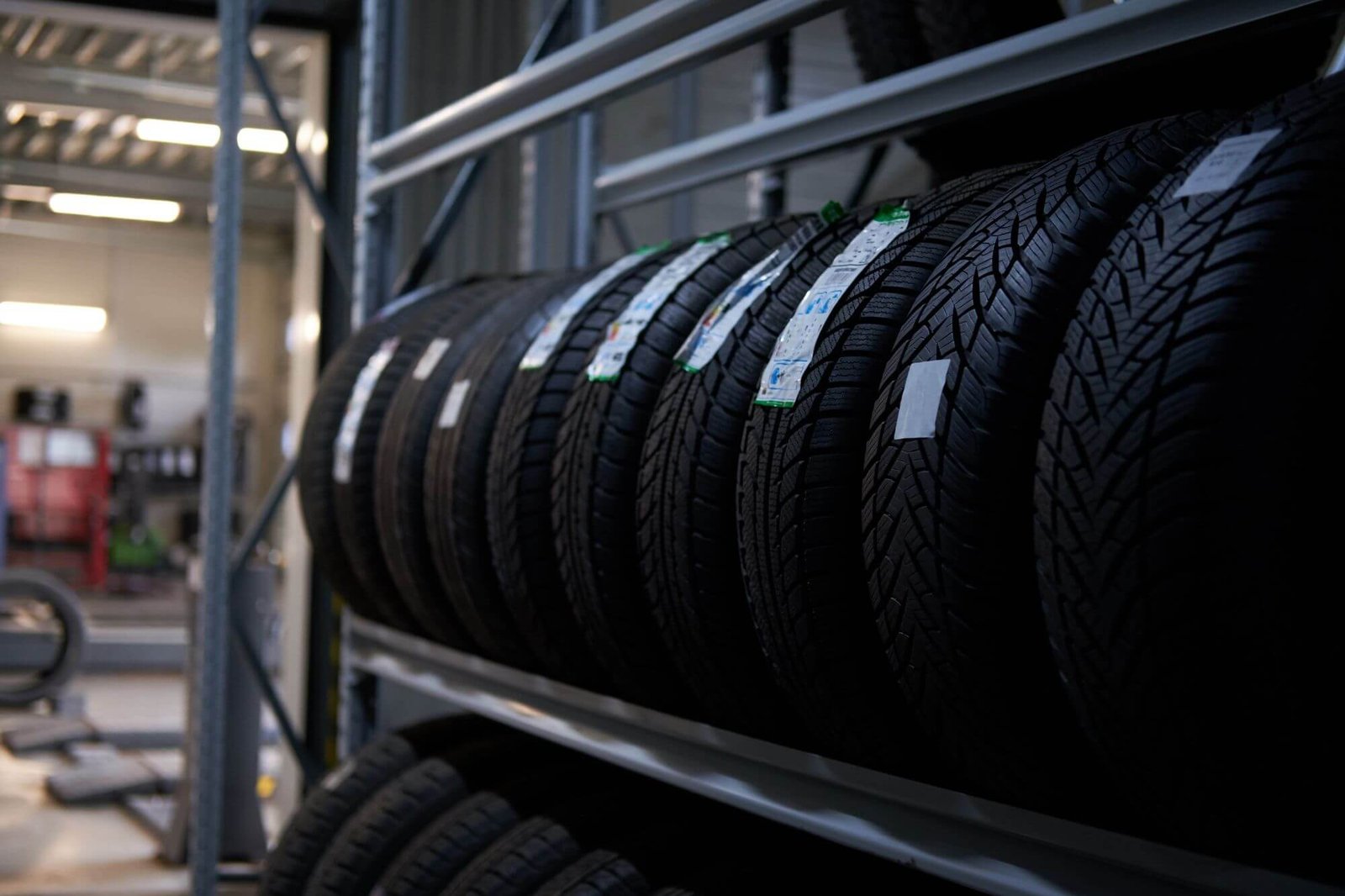
Tread patterns can look similar at a glance, yet small design choices affect how a tire performs. Deep grooves and open channels help move snow and slush away from the contact patch. This reduces the chance of the tire floating on slush and helps it maintain contact with the road.
Sipes are the thin cuts across the tread blocks. They create many small gripping edges that can help on packed snow and ice. More siping is not automatically better in every situation, though. The tread also needs enough block stability to feel controlled on wet or dry pavement.
Many drivers look for the three-peak mountain snowflake symbol when shopping for winter traction. This marking identifies tires built and tested for severe snow service. It is a helpful starting point, especially when comparing winter tires with all-weather options, but it should not replace fitment and driving-condition considerations.
Ice, Snow, Slush, and Cold Rain Are Different Tests
Not every winter day asks the same thing of a tire. On dry, cold pavement, a winter tire’s flexible compound and stable tread feel are most noticeable. In fresh snow, the tire needs channels and edges that can bite and clear snow effectively.
Ice is the toughest surface. Tires designed with an ice-focused tread compound and dense siping generally offer better control there, although they may wear faster or feel less precise on warm, dry roads. Slush requires strong water evacuation, while cold rain puts a premium on wet braking and hydroplaning resistance.
That is why a tire praised by a rural driver for deep-snow traction may not be the best match for a downtown commuter. Reviews are most useful when the reviewer’s conditions resemble your own.
Winter Tires vs. All-Weather Tires
All-weather tires can be a practical choice for drivers who want one set of tires year-round and experience moderate winter conditions. Many carry the three-peak mountain snowflake symbol and generally perform better in snow than conventional all-season tires.
Still, dedicated winter tires remain the stronger choice for frequent snow, ice, steep roads, early-morning commutes, and long winter highway travel. Their compounds and tread patterns are purpose-built for low temperatures. The trade-off is that they should be removed when consistently warm weather returns, because they can wear more quickly and feel less responsive in summer conditions.
For many Toronto and GTA drivers, the decision comes down to routine. If your vehicle is used every day, parked outdoors, and driven before roads are fully cleared, dedicated winter tires usually provide the larger safety margin. If you drive less often and encounter mostly maintained roads, a quality all-weather tire may better suit your convenience needs.
Fitment Can Change the Result
Even an excellent winter tire cannot perform as intended if it is the wrong size, has an unsuitable load rating, or is installed incorrectly. Start with the tire size listed for your vehicle, then confirm the recommended load index and speed rating. This is especially important for SUVs, pickups, EVs, and vehicles that regularly carry passengers or cargo.
A narrower winter tire can sometimes help cut through snow and slush, while a wider tire may offer a different balance of dry-road feel and appearance. There is no universal rule to switch sizes. Wheel clearance, vehicle specifications, and the complete tire-and-wheel setup must all be considered.
Four matching winter tires are the safest approach. Installing only two can create an imbalance in grip between the front and rear of the vehicle, which may make handling less predictable. This applies whether your vehicle is front-wheel drive, rear-wheel drive, all-wheel drive, or four-wheel drive.
All-wheel drive can help you accelerate, but it does not give you the same advantage when braking or turning. Every vehicle relies on its four contact patches with the road. That is why tire condition and tread design matter regardless of drivetrain.
How to Read Ratings Without Getting Lost in Details
Tire reviews often include numbers for wet braking, snow traction, noise, tread life, and rolling resistance. These are useful, but they should be read as a pattern rather than a single winner-takes-all score. A tire that ranks at the top for ice grip may make more noise. A quieter winter tire may be better suited to plowed highways than deep rural snow.
Pay attention to repeated comments across reviews. If multiple testers describe a tire as stable in slush, quiet for a winter tire, or especially strong on ice, that is more meaningful than one isolated opinion. Also make sure the review uses a tire size close to yours. The same model can feel different on a compact sedan, crossover, or heavy pickup.
Tread life is another area where expectations should stay realistic. Winter compounds are softer than many all-season compounds, and winter traction comes with some wear trade-offs. Proper inflation, regular rotations, balancing, and alignment checks can help you get more consistent life from your tires.
Getting the Most From Your Winter Tire Investment
Install winter tires before regular cold weather arrives, not after the first major storm. Once temperatures begin staying near 45°F, the performance advantage of a winter compound becomes more relevant. Early installation also lets you drive calmly into the season rather than making a rushed decision after conditions have already deteriorated.
Check tire pressure regularly. Pressure drops as temperatures fall, and underinflation can affect handling, wear, and fuel use. A monthly pressure check, plus a visual inspection for cuts, uneven wear, or embedded objects, is a simple habit that supports safer driving.
If you are unsure which model suits your vehicle, start with your year, make, model, and tire size. Then consider where and when you drive most often. A dependable tire selection process should make those choices clear, whether you need a winter option for a family SUV, a commuter sedan, a light truck, or an EV.
The best winter tire is not necessarily the most aggressive one. It is the one that fits your vehicle correctly, matches your regular road conditions, and helps you feel calm and in control when the forecast turns.